
Long-chain polyunsaturated fatty acids linked to postoperative delirium risk

As the global population ages, maintaining brain health is an increasing public health priority. Postoperative delirium, or POD, is a condition that may reveal underlying neurological vulnerability. People who experience POD after surgery involving general anesthesia face an increased risk of developing cognitive decline and dementia. Symptoms include fogginess and confusion in the hours to days following surgery, and multiple factors influence whether a patient develops POD.
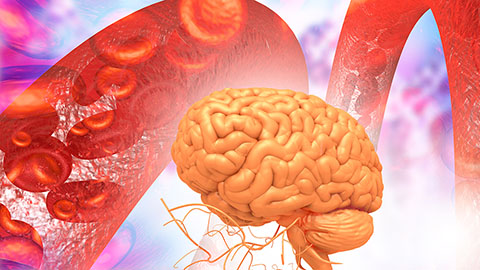
POD can be mitigated through institutional awareness and risk-screening, but its underlying mechanisms remain unclear. To address this gap, Tina McKay and colleagues at Massachusetts General Hospital identified biomarkers associated with each stage of POD. They published their most recent findings in the Journal of Lipid Research.
“Biomarkers do not imply causation, but identifying risk biomarkers for POD can improve pre-risk screening for patients, just as end-point biomarkers give us a way to signify disease occurrence,” McKay said.
The team identified distinct lipidomic signatures in serum from patients who developed POD after cardiac bypass surgery, suggesting a role for lipid metabolism in the disorder progression.
The nested case-control study used an untargeted approach to compare lipid profiles of patients who did and did not develop POD. This analysis showed increased serum levels of long-chain polyunsaturated fatty acids, or LC-PUFAs, in patients who developed POD.
In particular, LC-PUFAs conjugated to phosphatidylethanolamine, or PE, backbones were enriched in these patients. Under stress, LC-PUFA-PE lipids can be cleaved, releasing arachidonic acid, a precursor of many inflammatory oxylipins.
The team validated these findings in a second cohort using an oxylipin-specific lipidomic panel. This cohort included patients treated with dexmedetomidine, or dex, a sedative and analgesic being evaluated for POD reduction.
“The results from this part of the study were the most surprising,” McKay said. “As patients who were given dex were less likely to develop POD and displayed relatively no change in their LC-PUFA levels in response to surgery, suggesting that dex may modulate inflammatory lipid pathways.”
Consistent with the initial findings, patients who developed POD showed elevated serum LC-PUFA-PE levels, strengthening the evidence that aberrant lipid metabolism contributes to POD pathogenesis.
Together, these findings further link lipid metabolism to brain health and provide insight into the mechanisms underlying POD. McKay’s next steps include repeating the dex clinical trial and extending the work to animal models. In parallel, the lab is investigating how lipid metabolism affects neural cell resilience to stressors using cell culture models.
More broadly, biomarker studies could improve POD prevention and treatment by providing clinicians with measurable indicators of disease risk and occurrence beyond postoperative patient behavior. For patients, continued research into POD biomarkers and mechanisms may improve long-term brain health and clinical outcomes through better prevention and treatment strategies.
Enjoy reading ASBMB Today?
Become a member to receive the print edition four times a year and the digital edition monthly.
Learn moreGet the latest from ASBMB Today
Enter your email address, and we’ll send you a weekly email with recent articles, interviews and more.
Latest in Science
Science highlights or most popular articles
Glycosylation patterns across antibody isotypes distinguish tuberculosis states
Researchers at Taipei Medical University present the first site-specific glycosylation analysis of immunoglobulins in elderly tuberculosis patients.
Blood glycome possibly predicts lifespan
Researchers at the University of Santiago de Compostela show that total serum N-glycome can predict mortality independent of traditional risk factors.
Building a better model for drug delivery across the blood–brain barrier
Industry and academic scientists collaborated to develop a rat with humanized iron-transport receptors, enabling research into iron homeostasis and drugs that cross the brain’s barrier.
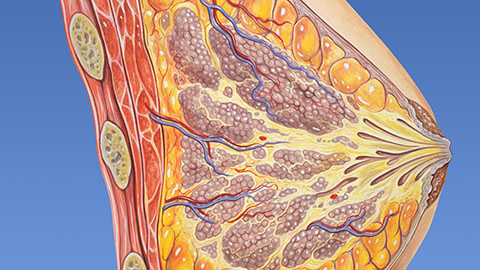
Fat synthesis enzyme crucial for milk fat and newborn growth
Researchers found that a deficiency of the fatty acid synthesis enzyme stearoyl-CoA desaturase-1 reduced mammary gland function during lactation and caused low birth weight in newborns that were fed milk from enzyme-deficient glands.

Flipping lipids and slime molds
A dull first job nearly pushed JBC associate editor Todd Graham out of science. Then a slime mold project changed his path. Now, he studies membrane biology and reflects on discovery, persistence and mentoring through uncertainty.
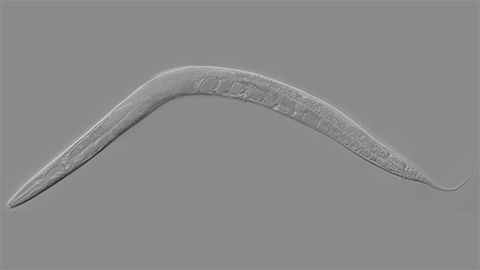
How smelling death alters worm behavior
Researchers have found that the roundworm C. elegans can smell death, and it changes how the worms behave, reproduce and age.