
The dual role of asprosin in chronic fatty liver disease

Around 30% of the world’s population suffers from a chronic liver condition called metabolic dysfunction-associated steatotic liver disease, or MASLD, where excess fat accumulates in the organ and exceeds 5% of the organ’s total weight. Previously known as non-alcoholic fatty liver disease, MASLD is a subtype of hepatic steatosis or fatty liver disease that is not related to alcohol consumption and is the leading cause of liver-related mortality in humans.
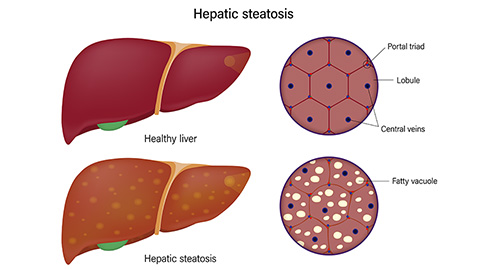
Symptoms of MASLD often remain silent and develop slowly over many years before progressing into an inflammatory state known as metabolic dysfunction-associated steatohepatitis, or MASH. At this stage, the liver is damaged, leading to organ scarring, liver failure and even hepatocellular carcinoma, a type of liver cancer. These serious complications can ultimately be fatal. People with metabolic conditions like obesity, insulin resistance and type 2 diabetes are at a particularly high risk of developing this disease.
In a recent article published in the Journal of Lipid Research, Joshua Ayork Acevedo–Carabantes and a team of researchers at the Salvador Zubirán National Institute of Health Sciences and Nutrition uncovered the dual role of asprosin, a recently identified adipokine, a hormone secreted by adipose tissue, in MASLD. In the study, they treated primary cultured hepatocytes and diet‑induced obesity mouse models at different stages of obesity with asprosin and observed the hormone’s effect on lipid metabolism in the liver. At early stages, asprosin elevated the expression of mRNAs and proteins involved in fat breakdown and prevented fat accumulation in the liver, resulting in a protective effect and preventing disease progression. However, as obesity progressed, this protective effect was lost, and higher levels of the hormone indicated severe disease. To validate these results clinically, researchers measured serum asprosin levels in individuals who underwent FibroScan imaging, a diagnostic technique that uses ultrasound to determine liver fat accumulation and stiffness. They found that individuals with more advanced disease, evident from increased liver fat and stiffness, had elevated levels of asprosin compared to healthy individuals.
This study shows that asprosin is protective at early stages of MASLD, but as the disease progresses, asprosin levels increase. As a result, increasing levels of asprosin can serve as a biomarker in healthcare settings to detect deteriorating liver health and disease progression in patients with MASLD.
Enjoy reading ASBMB Today?
Become a member to receive the print edition four times a year and the digital edition monthly.
Learn moreGet the latest from ASBMB Today
Enter your email address, and we’ll send you a weekly email with recent articles, interviews and more.
Latest in Science
Science highlights or most popular articles
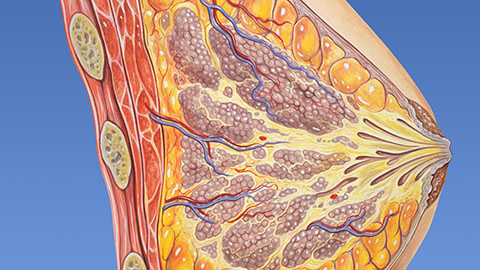
Fat synthesis enzyme crucial for milk fat and newborn growth
Researchers found that a deficiency of the fatty acid synthesis enzyme stearoyl-CoA desaturase-1 reduced mammary gland function during lactation and caused low birth weight in newborns that were fed milk from enzyme-deficient glands.

Flipping lipids and slime molds
A dull first job nearly pushed JBC associate editor Todd Graham out of science. Then a slime mold project changed his path. Now, he studies membrane biology and reflects on discovery, persistence and mentoring through uncertainty.
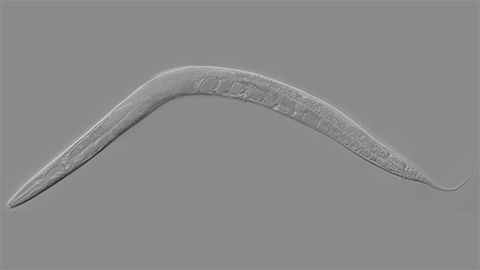
How smelling death alters worm behavior
Researchers have found that the roundworm C. elegans can smell death, and it changes how the worms behave, reproduce and age.
A chance encounter with the lab
Payton Stevens never planned to become a pancreatic cancer researcher. A temporary job set him on a path from rural Kentucky to leading research on Wnt signaling and metastasis, where he now pairs discovery with mentorship and science advocacy.

Light-activated small molecule could transform eye infection treatment
Contact lenses raise the risk of infectious keratitis, a leading cause of blindness worldwide. A biotech company is commercializing a light-activated therapy using a ROS-generating molecule to rapidly kill microbes in the cornea to preserve vision.
The molecular orchestra of memory
Calcium, calmodulin and calcium/calmodulin-dependent kinase II form a molecular axis that turns fleeting neural activity into lasting memories. New research shows how memories are stabilized, and possibly even protected or repaired.