
Immunology
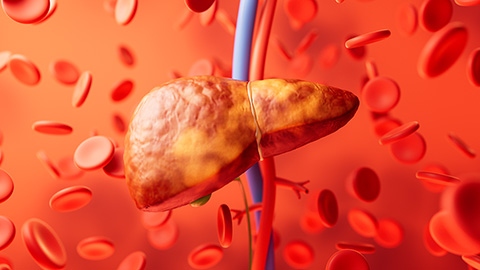
Cholesterol regulatory genes predict liver transplant outcomes
Researchers identify a link between cholesterol-regulating genes and liver transplant success, which could improve donor screening and patient outcomes.
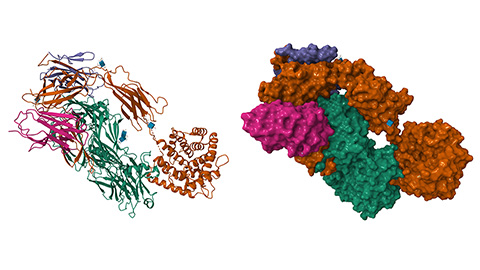
When things get SAPpy: Novel insights into complement
Researchers have defined interactions between an innate immune protein and two of its known binding partners. They identified potential areas of crosstalk between the two binding interactions.
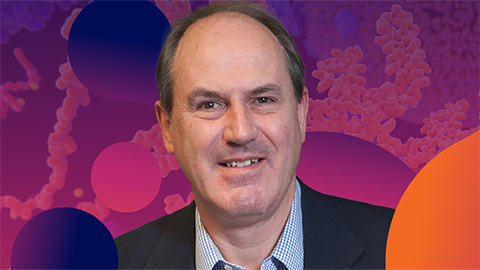
Defining JNKs: Targets for drug discovery
Roger Davis will receive the Bert and Natalie Vallee Award in Biomedical Science at the ASBMB Annual Meeting, March 7–10, just outside of Washington, D.C.
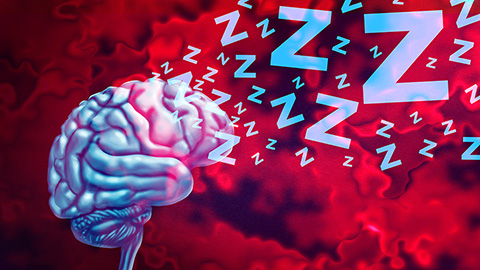
How Alixorexton could transform narcolepsy treatment
A new investigational drug, alixorexton, targets the brain’s orexin system to restore wakefulness in people with narcolepsy type 1. Alkermes chemist Brian Raymer shares how molecular modeling turned a lab idea into a promising phase 3 therapy.
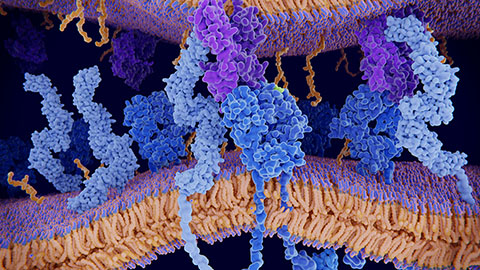
How antigen-processing proteins shape immunity
Researchers show how components of the antigen processing machinery shape the immunopeptidome, offering insights into immune regulation and cancer biology.
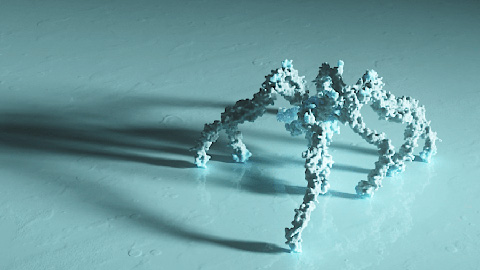
Spider-like proteins spin defenses to control immunity
Researchers from Utrecht University discovered two distinct binding modes of a spider-shaped immune inhibitor found in serum.
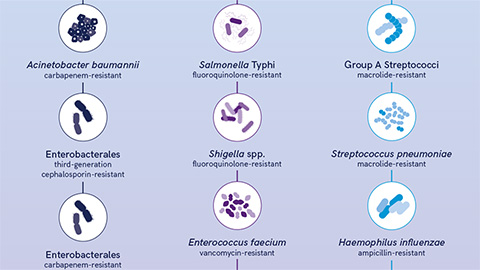
Training AI to uncover novel antimicrobials
Antibiotic resistance kills millions, but César de la Fuente’s lab is fighting back. By pairing AI with human insight, researchers are uncovering hidden antimicrobial peptides across the tree of life with a 93% success rate against deadly pathogens.
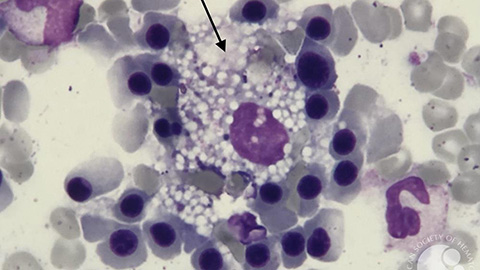
ApoA1 reduce atherosclerotic plaques via cell death pathway
Researchers show that ApoA1, a key HDL protein, helps reduce plaque and necrotic core formation in atherosclerosis by modulating Bim-driven macrophage death. The findings reveal new insights into how ApoA1 protects against heart disease.
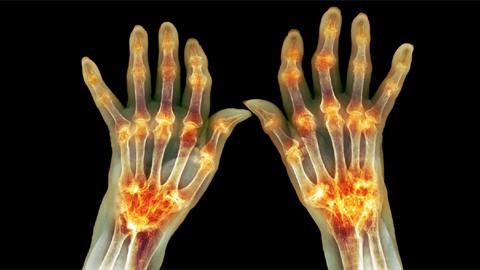
RA patient blood reveals joint innerworkings
Researchers in the Netherlands use mass spectrometry to compare the proteome of plasma and synovial fluid in rheumatoid arthritis patients and find a correlation. Read more about this recent paper in Molecular & Cellular Proteomics.