
Graduate education
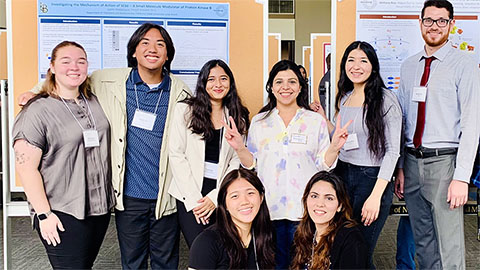
Teaching beyond information transfer
Educator reflects on moving beyond lectures to create a biochemistry classroom centered on engagement, transparency and student ownership, showing how small shifts like “student hours” and active learning can transform understanding.
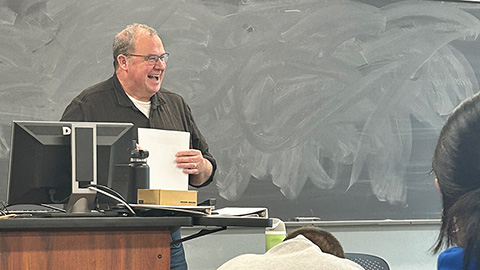
Timeless reflections on mentorship and teaching
Professor at a primarily undergraduate university reflects on how mentorship remains the heart of education, while technology changes how content is delivered and students connect with material and instructors.
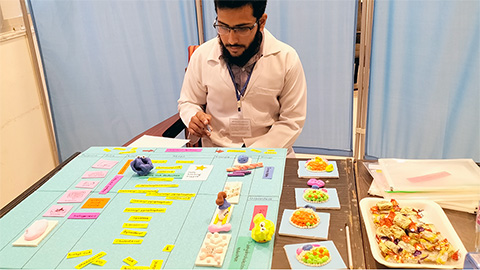
When biochemistry stopped being scary
Professor challenges the idea that biochemistry must feel abstract by designing hands-on models and games that turn fear into curiosity, transforming classrooms across Pakistan into spaces for experimentation and shared discovery.
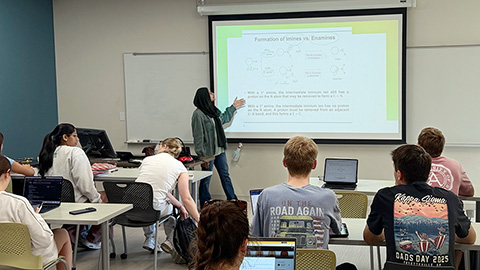
Listening first: The moment that reshaped my teaching
Educator recounts how a single student comment reshaped her teaching, leading her to replace lectures with question-driven, collaborative learning and rethink AI as a tool for deeper engagement and understanding.
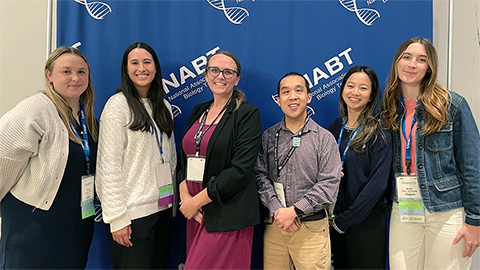
Backward design and beyond: Lessons from a molecular genetics classroom
Associate professor reflects on an early teaching misstep and explains how backward design, clear learning objectives and reflective tools reshaped assessment, clarified expectations and helped students take ownership of their learning.
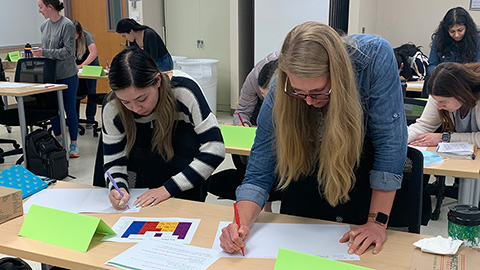
Designing scientific careers, not just experiments
Universities are rethinking how they prepare scientists for careers beyond the bench. From myIDP to Vanderbilt’s Career Architect, programs help trainees clarify values, explore options and build intentional paths forward.
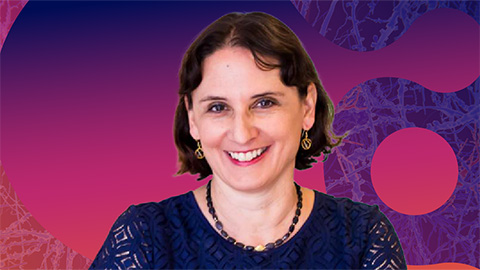
Creating change in biochemistry education
Pamela Mertz will receive the ASBMB William C. Rose Award for Exemplary Contributions to Education at the ASBMB Annual Meeting, March 7-10 in Washington, D.C.
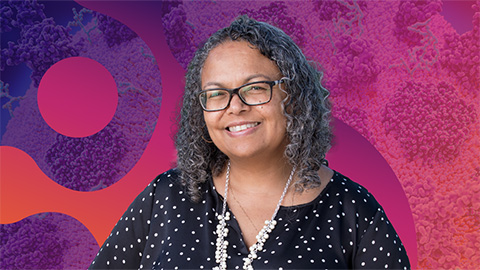
Trainee mentorship as immortality
Suzanne Barbour will receive the ASBMB Sustained Leadership Award at the ASBMB Annual Meeting, March 7-10 in Washington, D.C.
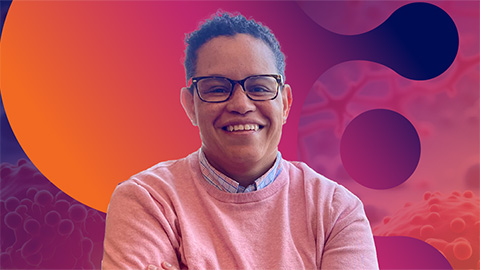
Redefining excellence to drive equity and innovation
Donita Brady will receive the ASBMB Ruth Kirschstein Award for Maximizing Access in Science at the ASBMB Annual Meeting, March 7–10, just outside of Washington, D.C.