
Cancer
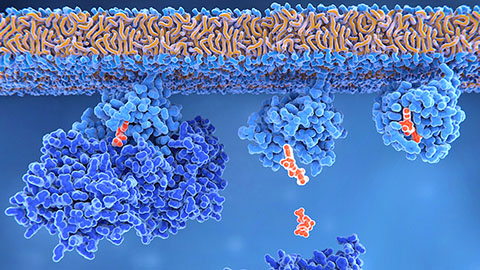
Novel inhibitor targets RAS-driven cancers
Researchers in Louisville identify a small-molecule drug that blocks RALGEF signaling downstream of mutant RAS. The compound suppresses tumor growth with low toxicity, revealing a new therapeutic strategy for RAS-driven malignancies.
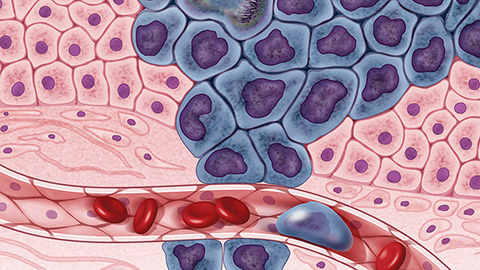
Revealing the glycoproteome of a cancer subtype
Researchers mapped the glycoproteome of extrahepatic cholangiocarcinoma and compared it to intrahepatic tumors. Differences in sugar modifications and immune cell content suggest new biomarkers and guide development of targeted immunotherapies.
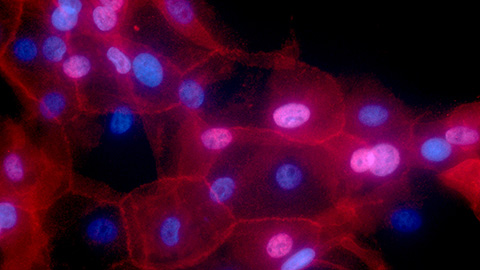
Heat shock proteins as a promising breast cancer therapeutic
Researchers unveiled isoform-specific targets on heat shock protein 90 which may be beneficial in therapeutic development.
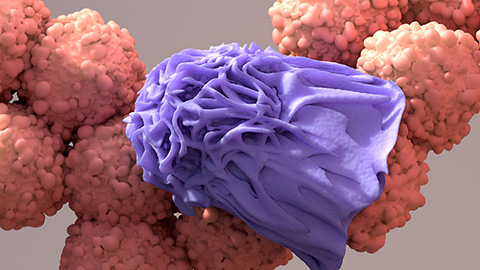
Novel way to uncover tumor microenvironment proteomics
Researchers at the Weizmann Institute of Science developed a novel single-cell approach that facilitates the study of proteins surrounding lung cancer cells.

When oncogenes collide in brain development
Researchers at University Medical Center Hamburg, found that elevated oncoprotein levels within the Wnt pathway can disrupt the brain cell extracellular matrix, suggesting a new role for LIN28A in brain development.
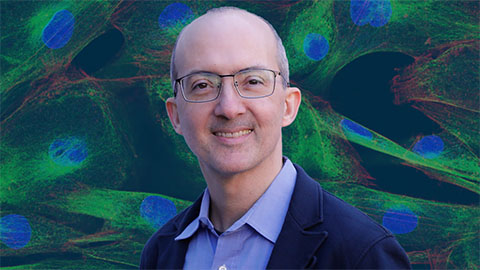
The data that did not fit
Brent Stockwell’s perseverance and work on the small molecule erastin led to the identification of ferroptosis, a regulated form of cell death with implications for cancer, neurodegeneration and infection.
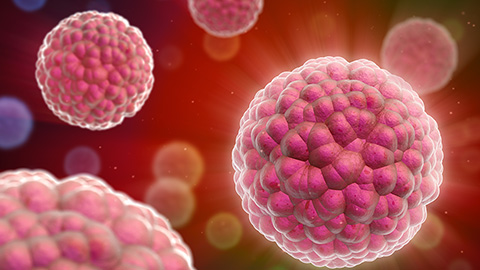
Ragweed compound thwarts aggressive bladder and breast cancers
Scientists from the University of Michigan reveal the mechanism of action of ambrosin, a compound from ragweed, selectively attacks advanced bladder and breast cancer cells in cell-based models, highlighting its potential to treat advanced tumors.
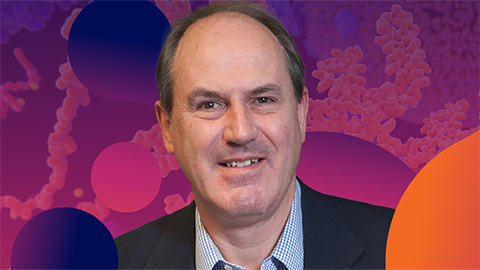
Defining JNKs: Targets for drug discovery
Roger Davis will receive the Bert and Natalie Vallee Award in Biomedical Science at the ASBMB Annual Meeting, March 7–10, just outside of Washington, D.C.
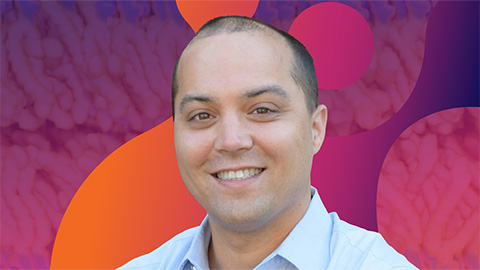
Redefining lipid biology from droplets to ferroptosis
James Olzmann will receive the ASBMB Avanti Award in Lipids at the ASBMB Annual Meeting, March 7–10, just outside of Washington, D.C.