
DEAI
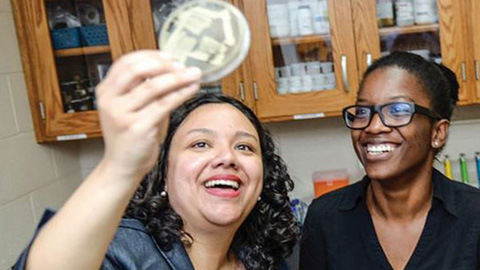
“Hi, profe!” How I learned to connect with my students
After critical course evaluations, a biochemistry instructor reflects on how sharing her story and building relationships transformed her classroom, helping students feel seen, welcomed and more connected to science.
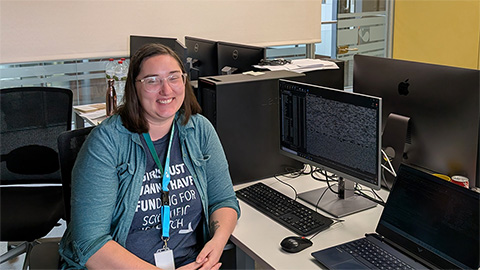
Making my spicy brain work for me
Researcher Reid Blanchett reflects on her journey navigating mental health struggles through graduate school. She found a new path in bioinformatics, proving that science can be flexible, forgiving and full of second chances.
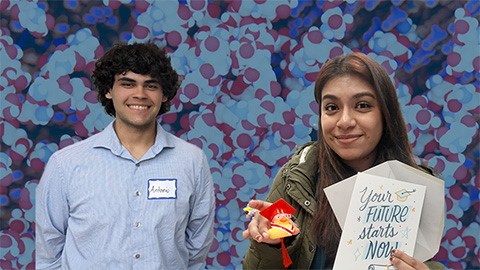
How undergrad research catalyzes scientific careers
Undergraduate research doesn’t just teach lab skills, it transforms scientists. For Antonio Rivera and Julissa Cruz–Bautista, joining a lab became a turning point, fostering critical thinking, persistence and research identity.
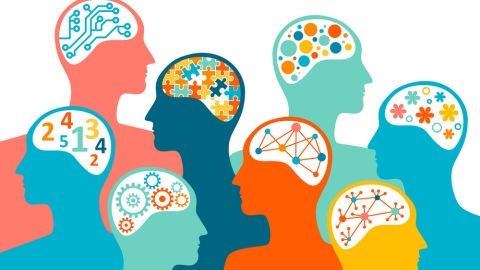
Embrace your neurodivergence and flourish in college
This guide offers practical advice on setting yourself up for success — learn how to leverage campus resources, work with professors and embrace your strengths.
Survival tools for a neurodivergent brain in academia
Working in academia is hard, and being neurodivergent makes it harder. Here are a few tools that may help, from a Ph.D. student with ADHD.
Hidden strengths of an autistic scientist
Navigating the world of scientific research as an autistic scientist comes with unique challenges —microaggressions, communication hurdles and the constant pressure to conform to social norms, postbaccalaureate student Taylor Stolberg writes.

Black excellence in biotech: Shaping the future of an industry
This Black History Month, we highlight the impact of DEI initiatives, trailblazing scientists and industry leaders working to create a more inclusive and scientific community. Discover how you can be part of the movement.
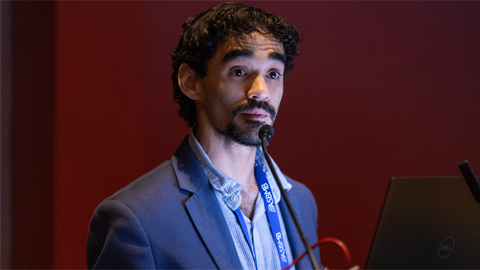
The monopoly defined: Who holds the power of science communication?
“At the official competition, out of 12 presenters, only two were from R2 institutions, and the other 10 were from R1 institutions. And just two had distinguishable non-American accents.”
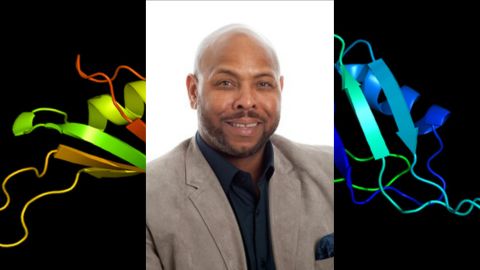
RNA binding proteins with benefits
Blanton Tolbert studies the biochemical mechanisms of RNA virus replication while working to make science more accessible, and more interesting, for all people.