
Rare diseases
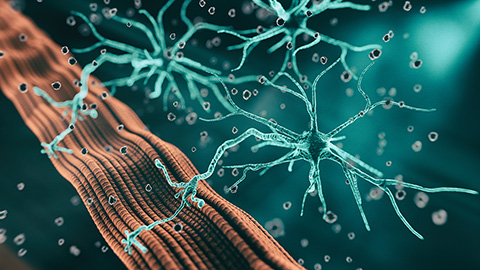
Lipid signatures for a rare neurological disorder
Researchers find distinct lipid patterns linked to a rare autoimmune neurological disorder, offering hope for effective targeted therapies for patients.
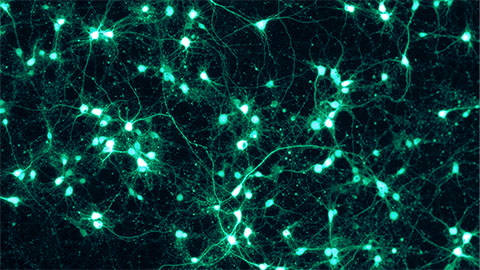
Uncovering the mechanisms of a glycosylation disorder
Mutations in OGT, an enzyme that adds sugars to proteins, cause a rare neurological disorder. Using proteomics, researchers reveal how OGT interactions with TET proteins may trigger epigenetic changes and early neural defects.
Glutathione pathway implicated in rare disease
Researchers found that glutathione metabolism plays a central role in the pathogenesis of rare disease methylmalonic aciduria using a novel multiomics approach.
From humble beginnings to unlocking lysosomal secrets
Monther Abu–Remaileh will receive the ASBMB’s 2026 Walter A. Shaw Young Investigator Award in Lipid Research at the ASBMB Annual Meeting, March 7-10 in Washington, D.C.
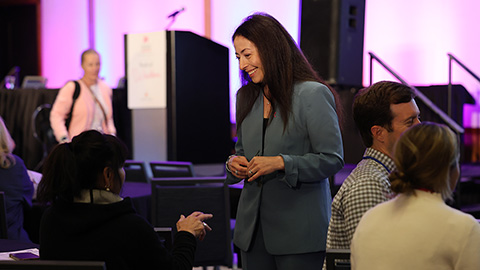
Women’s health cannot leave rare diseases behind
A physician living with lymphangioleiomyomatosis and a basic scientist explain why patient-driven, trial-ready research is essential to turning momentum into meaningful progress.
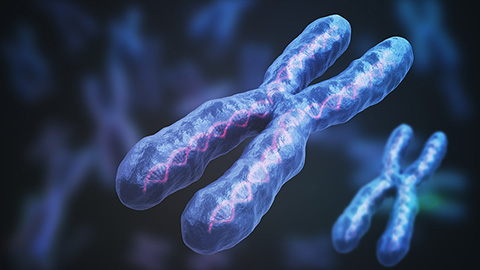
Cholesterol as a novel biomarker for Fragile X syndrome
Researchers in Quebec identified lower levels of a brain cholesterol metabolite, 24-hydroxycholesterol, in patients with fragile X syndrome, a finding that could provide a simple blood-based biomarker for understanding and managing the condition.
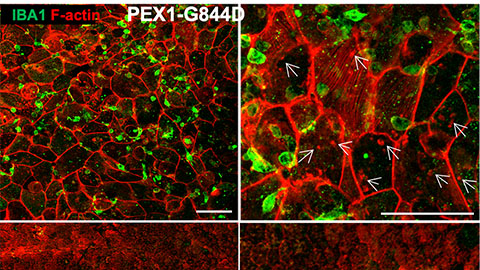
Early lipid changes drive retinal degeneration in Zellweger spectrum disorder
Lipid profiling in a rare disease mouse model reveals metabolic shifts and inflammation in the retinal pigment epithelium — offering promising biomarker leads to combat blindness.
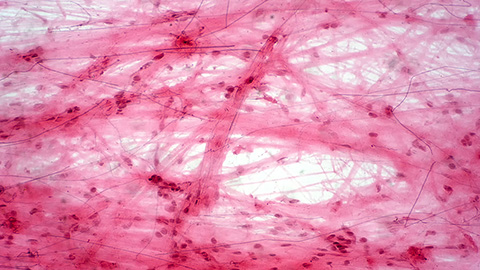
How sugars shape Marfan syndrome
Research from the University of Georgia shows that Marfan syndrome–associated fibrillin-1 mutations disrupt O glycosylation, revealing unexpected changes that may alter the protein's function in the extracellular matrix.
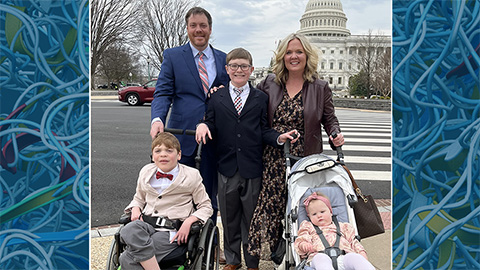
What’s in a diagnosis?
When Jessica Foglio’s son Ben was first diagnosed with cerebral palsy, the label didn’t feel right. Whole exome sequencing revealed a rare disorder called Salla disease. Now Jessica is building community and driving research for answers.