
Lipid signatures for a rare neurological disorder

Chronic inflammatory demyelinating polyneuropathy, or CIDP, is an autoimmune disease where the immune system attacks and destroys the myelin sheath, a lipid-rich protective layer that covers and insulates the peripheral nerves. Although CIDP is rare and affects only two to three individuals per 100,000, those diagnosed with the disease face significant challenges due to progressive muscle weakness and loss of mobility.

In a recent Journal of Lipid Research study, Kristina auf dem Brinke of the University Medical Center Göttingen and a team of researchers identified biomarkers of this devastating disease by comparing plasma lipid profiles of CIDP patients with those of patients diagnosed with non-demyelinating neurological disorders. The team used high-throughput shotgun lipidomics, a technique that allows researchers to simultaneously identify and measure large numbers of lipid molecules in a sample, to analyze 669 lipid species across 15 classes. Results showed that CIDP patients had elevated levels of diacylglycerol, or DAG. In addition, lipid subspecies, including DAG, triacylglycerol, and ether-linked phosphatidylcholine, correlated with increased disease activity in patients of this discovery trial. Other lipid subspecies like phosphatidylcholine, lyso-phosphatidylcholine, phosphatidylinositol, sphingomyelin and cholesterol ester were also linked to disease severity and clinical disability.
These findings suggest that CIDP is associated with distinct lipid signatures. The researchers plan to validate these preliminary results in a larger patient cohort, with the goal of developing more precise and personalized treatments.
Enjoy reading ASBMB Today?
Become a member to receive the print edition four times a year and the digital edition monthly.
Learn moreGet the latest from ASBMB Today
Enter your email address, and we’ll send you a weekly email with recent articles, interviews and more.
Latest in Science
Science highlights or most popular articles
Long-chain polyunsaturated fatty acids linked to postoperative delirium risk
Researchers show that altered lipid metabolism may contribute to postoperative delirium, a condition linked to increased risk for long-term cognitive decline. The study explores potential disease mechanisms, which have yet to be understood.
Glycosylation patterns across antibody isotypes distinguish tuberculosis states
Researchers at Taipei Medical University present the first site-specific glycosylation analysis of immunoglobulins in elderly tuberculosis patients.
Blood glycome possibly predicts lifespan
Researchers at the University of Santiago de Compostela show that total serum N-glycome can predict mortality independent of traditional risk factors.
Building a better model for drug delivery across the blood–brain barrier
Industry and academic scientists collaborated to develop a rat with humanized iron-transport receptors, enabling research into iron homeostasis and drugs that cross the brain’s barrier.
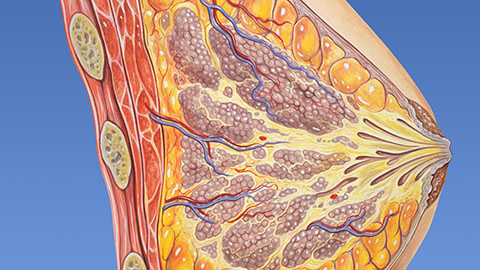
Fat synthesis enzyme crucial for milk fat and newborn growth
Researchers found that a deficiency of the fatty acid synthesis enzyme stearoyl-CoA desaturase-1 reduced mammary gland function during lactation and caused low birth weight in newborns that were fed milk from enzyme-deficient glands.

Flipping lipids and slime molds
A dull first job nearly pushed JBC associate editor Todd Graham out of science. Then a slime mold project changed his path. Now, he studies membrane biology and reflects on discovery, persistence and mentoring through uncertainty.