
Key regulator of cholesterol protects against Alzheimer’s disease

The mammalian brain contains more than 25% of the body’s cholesterol and relies on cholesterol produced within the brain to support cognitive health. Dysregulated cholesterol metabolism has been linked to Alzheimer’s disease, or AD, because cholesterol imbalance affects membrane organization in brain cells, promoting amyloid precursor protein cleavage and increasing amyloid-beta, or Aβ, production. In a recent study published in the Journal of Lipid Research, Arlette A. Kasongo and colleagues from the University of Ottawa investigated oxysterol-binding protein-related protein 6, or ORP6, and found that it is a critical regulator of brain cholesterol metabolism with protective effects against Alzheimer’s-related neurodegeneration.
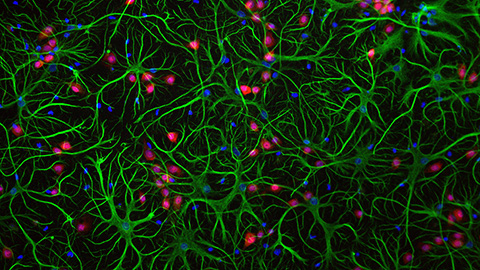
The researchers found that ORP6 is highly expressed in astrocytes and neurons of the hippocampus, a critical region for learning and memory. They generated mice lacking the Osbpl6 gene, and the absence of ORP6 disrupted cholesterol metabolism and led to the accumulation of the cholesterol precursor desmosterol and toxic amyloid beta oligomers. Lipidomic, proteomic and correlational analyses revealed whole-body and brain lipid imbalances, brain atrophy, reduced synaptic proteins and behavioral deficits linked to early AD.
At the cellular level, ORP6 deficiency impaired the ability of astrocytes to export excess cholesterol and increased cholesterol esterification in astrocytes, resulting in decreased plasma membrane cholesterol and increased processing of the amyloid precursor protein into Aβ oligomers. ORP6 levels diminished in human AD brains and AD mouse models, especially in astrocytes, correlating with lipid droplet buildup. These results highlight ORP6 as a vital regulator of astrocyte cholesterol balance with potential protective effects against AD. Thus, enhancing ORP6 function could be a promising therapeutic approach for combating AD. Future research could investigate whether restoring ORP6 expression in AD models can normalize cholesterol metabolism and reduce Aβ burden.
Enjoy reading ASBMB Today?
Become a member to receive the print edition four times a year and the digital edition monthly.
Learn moreGet the latest from ASBMB Today
Enter your email address, and we’ll send you a weekly email with recent articles, interviews and more.
Latest in Science
Science highlights or most popular articles
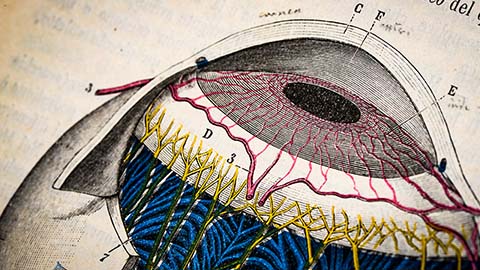
Glaucoma model links immune signaling to disease progression
Researchers at Duke University determine genetic variations that could increase the risk of developing glaucoma.

Uncovering the molecular roots of fatty liver disease
Physician–scientist Silvia Sookoian discusses her path from hepatitis C care to MASLD research, her use of multi-omics to study steatotic liver disease, and how lipid metabolism and genetics are reshaping understanding of MASH and liver health.
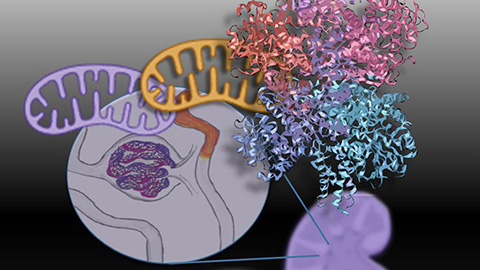
Mitochondria shape kidney cell function
Researchers at the University of Washington, Seattle present the first quantitative comparison of mitochondrial interactomes between two epithelial cell types in the kidney.
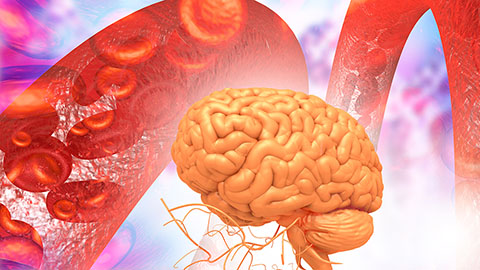
Long-chain polyunsaturated fatty acids linked to postoperative delirium risk
Researchers show that altered lipid metabolism may contribute to postoperative delirium, a condition linked to increased risk for long-term cognitive decline. The study explores potential disease mechanisms, which have yet to be understood.
Glycosylation patterns across antibody isotypes distinguish tuberculosis states
Researchers at Taipei Medical University present the first site-specific glycosylation analysis of immunoglobulins in elderly tuberculosis patients.
Blood glycome possibly predicts lifespan
Researchers at the University of Santiago de Compostela show that total serum N-glycome can predict mortality independent of traditional risk factors.