
Infectious disease
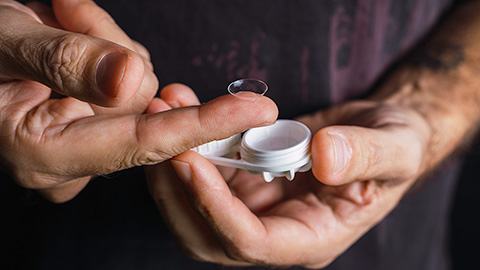
Light-activated small molecule could transform eye infection treatment
Contact lenses raise the risk of infectious keratitis, a leading cause of blindness worldwide. A biotech company is commercializing a light-activated therapy using a ROS-generating molecule to rapidly kill microbes in the cornea to preserve vision.
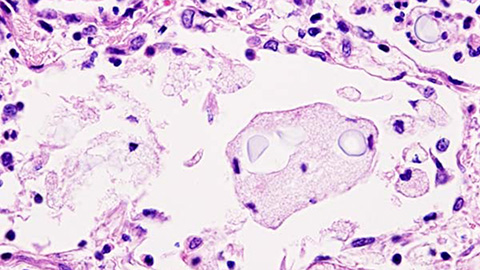
Blood proteomics reveals fungal infection signatures for faster diagnosis
Whole-blood proteomics identifies more than 3,000 host and 160 fungal proteins during cryptococcal infection, offering potential biomarkers for faster diagnosis and improved monitoring without invasive spinal taps.
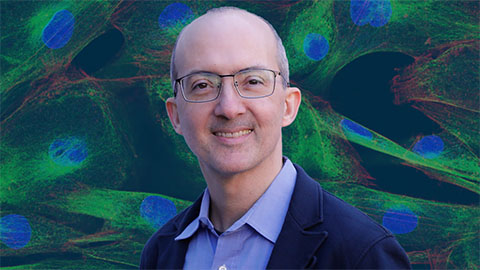
The data that did not fit
Brent Stockwell’s perseverance and work on the small molecule erastin led to the identification of ferroptosis, a regulated form of cell death with implications for cancer, neurodegeneration and infection.
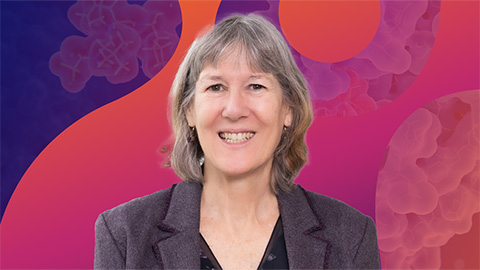
Chemistry meets biology to thwart parasites
Margaret Phillips will receive the Alice and C. C. Wang Award in Molecular Parasitology at the ASBMB Annual Meeting, March 7-10 in Washington, D.C.
Decoding how bacteria flip host’s molecular switches
Kim Orth will receive the Earl and Thressa Stadtman Distinguished Scientists Award at the ASBMB Annual Meeting, March 7–10, just outside of Washington, D.C.
Building the blueprint to block HIV
Wesley Sundquist will present his work on the HIV capsid and revolutionary drug, Lenacapavir, at the ASBMB Annual Meeting, March 7–10, in Maryland.
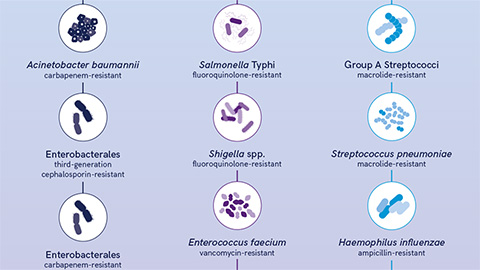
Training AI to uncover novel antimicrobials
Antibiotic resistance kills millions, but César de la Fuente’s lab is fighting back. By pairing AI with human insight, researchers are uncovering hidden antimicrobial peptides across the tree of life with a 93% success rate against deadly pathogens.
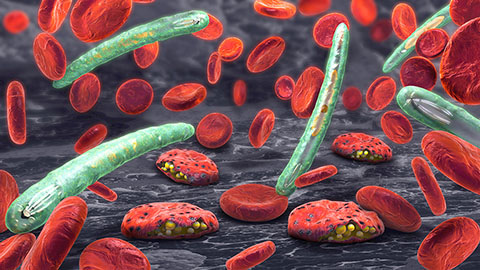
AI-designed biomarker improves malaria diagnostics
Researchers from the University of Melbourne engineered Plasmodium vivax diagnostic protein with enhanced yield and stability while preserving antibody-binding, paving the way for more reliable malaria testing.
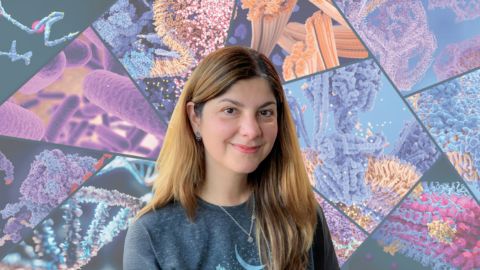
How HCMV hijacks host cells — and beyond
Ileana Cristea, an ASBMB Breakthroughs webinar speaker, presented her research on how viruses reprogram cell structure and metabolism to enhance infection and how these mechanisms might link viral infections to cancer and other diseases.