
Melissa Moore to speak at ASBMB 2025
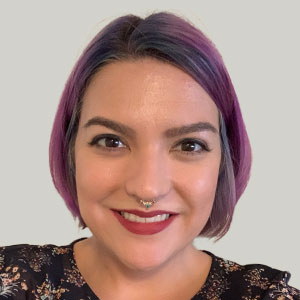
RNA biologist, industry executive and science communicator Melissa Moore will take center stage as a featured speaker at the American Society for Biochemistry and Molecular Biology’s 2025 Annual Meeting, sharing her groundbreaking insights into RNA biology and therapeutics. A pioneering scientist and former Chief Scientific Officer at Moderna, Moore has played a key role in advancing messenger RNA, or mRNA, –based medicine and shaping the future of biotechnology.
At ASBMB 2025, she will discuss how persistence and serendipity helped define her career and why understanding poker fundamentals can up your scientific game.
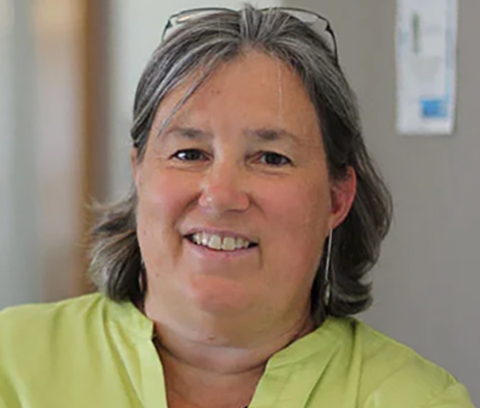
After obtaining her Ph.D. in biological chemistry from the Massachusetts Institute of Technology, she pursued postdoctoral research with Philip Allen Sharp, a Nobel laureate who discovered split genes. During her postdoctoral research, Moore developed innovative techniques for site-specific modification of pre-mRNA, a technology that bridges long molecules of RNA.
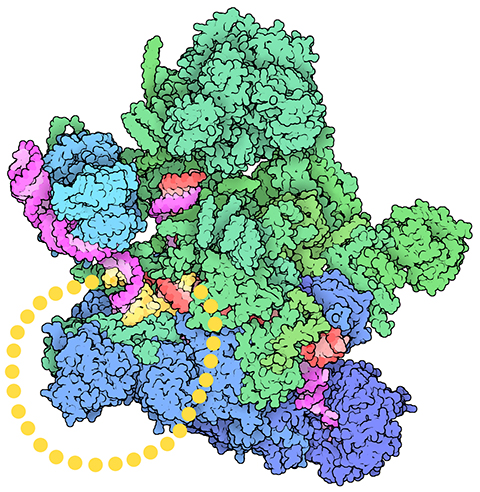
As an early career scientist, Moore conducted research at Brandeis University, Waltham, Massachusetts, where her group explored the inner workings of RNA assembly, function and degradation. She revealed the activity and structural assembly of the spliceosome, which acts like a pair of molecular scissors to cut out unnecessary regions within newly transcribed genes to produce mature messenger RNA. Her work provided important insights into cellular quality control pathways.
After 13 years with Brandeis University, Moore joined the University of Massachusetts Chan Medical School. Here, she focused on developing RNA-based therapeutics for preeclampsia, a life-threatening blood pressure disorder that affects 10% of pregnant individuals, including Moore. She designed a small interfering RNA molecule targeting the soluble Flt1 proteins, which can cause abnormal placental blood vessel development. One of these drugs, CBP-4888, is currently in clinical trials and received a Fast Track designation from the U.S. Food and Drug Administration.
In 2016, Moore became the Chief Scientific Officer of Platform Research at Moderna Therapeutics, where she and her team helped develop Moderna’s mRNA-based vaccine against SARS-COV-2. In addition, she helped petition the FDA for an emergency use authorization during the height of the COVID-19 pandemic
In 2021, Moore shifted her focus to scientific communication, with the goal of explaining science to academics and lay people alike. Moore’s TED talk, “How mRNA medicine will change the world,” ranked among the top 10 most-watched in 2022.
Moore is an elected member of the National Academy of Sciences, a fellow of the American Academy of Arts and Sciences, winner of the 2011 ASBMB William C. Rose Award and winner of the 2021 RNA Society Lifetime Achievement Award. She has co-founded multiple biotech companies, including Via Scientific and Kerna Labs, sits on the boards of nChroma Bio and Tessera Therapeutics and serves in multiple consulting roles.
Enjoy reading ASBMB Today?
Become a member to receive the print edition four times a year and the digital edition monthly.
Learn moreFeatured jobs
from the ASBMB career center
Get the latest from ASBMB Today
Enter your email address, and we’ll send you a weekly email with recent articles, interviews and more.
Latest in Careers
Careers highlights or most popular articles
Upcoming opportunities
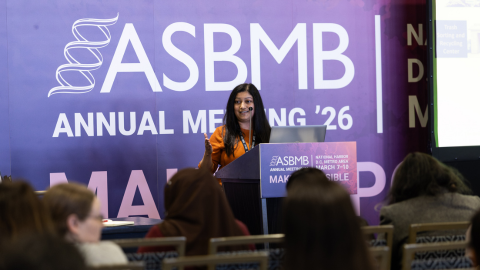
🗨️ Shape the conversation at ASBMB 2027 in Boston! ASBMB is seeking proposals for sessions and events that will foster collaboration, highlight exciting science and support career development across the molecular life sciences.
Upcoming opportunities
Registration is now open for this summer's Art of Science Communication course! Build your science communication skills in this 8-week online program. ➡️ Registration deadline: May 6.

Upcoming opportunities
The American Society for Biochemistry and Molecular Biology is accepting applications for the Marion B. Sewer Distinguished Scholarship for Undergraduates. Apply by April 30, 2026.
Designing scientific careers, not just experiments
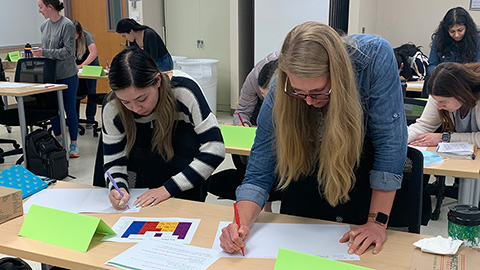
Universities are rethinking how they prepare scientists for careers beyond the bench. From myIDP to Vanderbilt’s Career Architect, programs help trainees clarify values, explore options and build intentional paths forward.
Upcoming opportunities
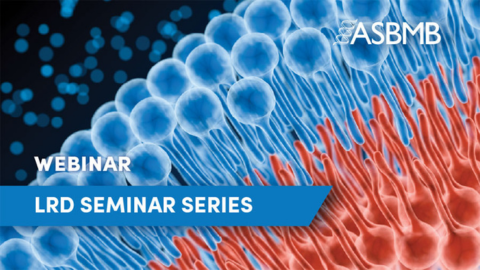
Dive into the world of lipids! Join the ASBMB Lipid Research Division Seminar Series on April 9, 12–1 p.m. ET to hear early-career researchers explore lipid metabolism and mitochondrial biology.
Upcoming opportunities
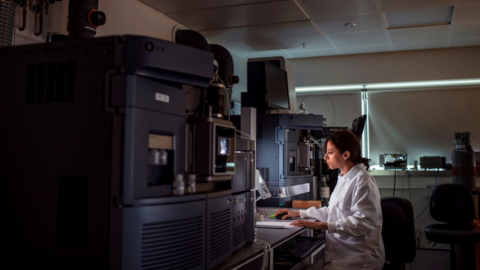
For the summer 2026 ASBMB Today essay series, we invite scientists working in industry to share first-person reflections on their work. Submit your essay or pitch by April 15, 2026.