
In memoriam: Michael J. Chamberlin
Michael J. Chamberlin, an editorial board member of the Journal of Biological Chemistry and a pioneer in the study of transcription, died on November 1 at age 88. He was an American Society for Biochemistry and Molecular Biology member for nearly 60 years. He was also an elected member of the National Academy of Sciences and the American Academy of Arts & Sciences.
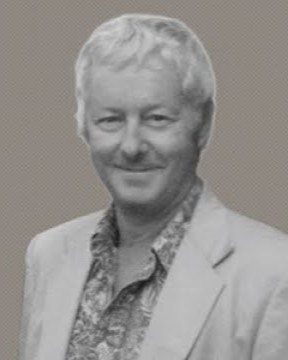
Born June 7, 1937, in Chicago, Chamberlin received a B.S. in chemistry from Harvard University and a Ph.D. in biochemistry from Stanford University. After earning his Ph.D., Chamberlin joined the University of California, Berkeley, as a professor of biochemistry and molecular biology.
Chamberlin advanced the study of RNA polymerases and transcription regulation. In graduate school, Chamberlin worked with Nobel prize–winning biochemist Paul Berg and was the first to isolate RNA polymerase from E. coli.
Chamberlin discovered that RNA polymerases regulate gene activity, a function that was unknown at the time. He showed that transcription begins when RNA polymerase binds to DNA and locates a specific promoter. In 1974, he published three JBC papers that led to a model for RNA chain initiation by RNA polymerase.
In 2021, the Stanford Medicine Alumni Association honored Chamberlin with the Arthur Kornberg and Paul Berg Lifetime Achievement Award in Biomedical Sciences.
In Stanford’s video on Chamberlin’s legacy, Jasper Rine, professor of genetics and development at UC Berkeley, said that messenger RNA vaccines “were made possible by the pioneering work (Chamberlin) did on bacteriophage RNA polymerases in the 1970s and 1980s.”
Colleagues described Chamberlin as energized, intense, enthusiastic, magnetic and warm. ASBMB President Joan Conaway described Chamberlin as a valuable informal mentor and friend who helped her and her husband, especially in the earliest stages of their careers.
"Mike was special: a scientist of uncommon rigor and integrity, who helped shape the transcription field and inspired many,” she said.
Chamberlin is survived by his wife, Caroline Kane, a professor in residence emerita at UC Berkeley, and his brothers Peter, Steve and Tom.
Enjoy reading ASBMB Today?
Become a member to receive the print edition four times a year and the digital edition monthly.
Learn moreGet the latest from ASBMB Today
Enter your email address, and we’ll send you a weekly email with recent articles, interviews and more.
Latest in People
People highlights or most popular articles
ASBMB members receive ASPET awards
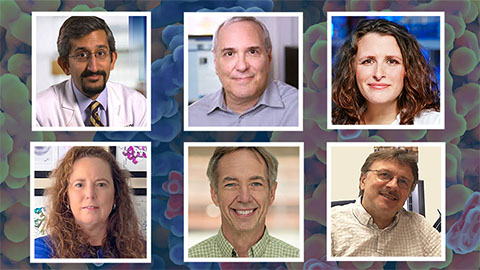
The American Society for Pharmacology and Experimental Therapeutics awards Simone Brixius–Anderko, Paul Insel, Sudarshan Rajagopal, Emily Scott, Alan Smrcka and Jürgen Wess for their excellent research and mentoring work in pharmacology.
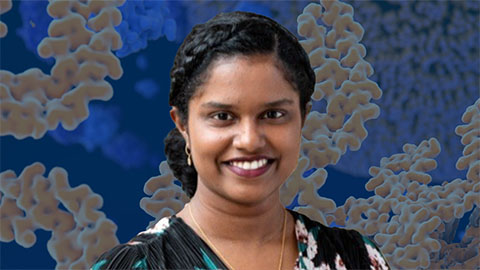
Kozul honored by Washington University
She received the 2025 Elliot L. Elson Education and Training Award.
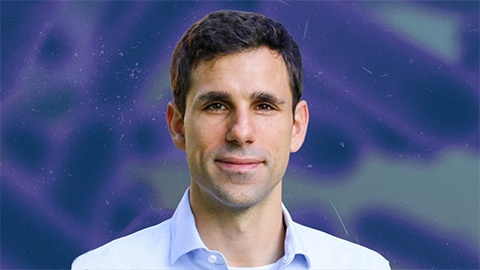
de la Fuente honored for AI research
The award will support the development of an AI system called ApexMol, a 3D structure–informed, agentic large language model designed to create new biomolecules.
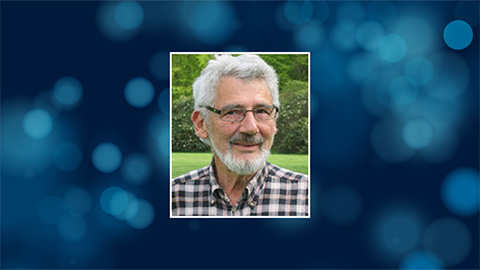
In memoriam: Peter Roepstorff
He was a leading researcher in biological mass spectrometry, mapped protein function in living organisms and was an ASBMB member for 19 years.
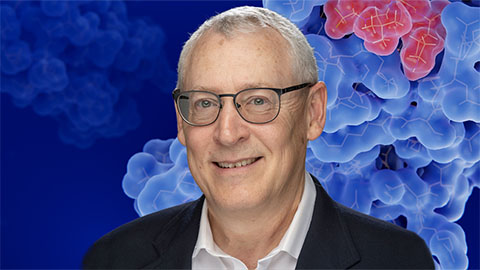
Flipping lipids and slime molds
A dull first job nearly pushed JBC associate editor Todd Graham out of science. Then a slime mold project changed his path. Now, he studies membrane biology and reflects on discovery, persistence and mentoring through uncertainty.
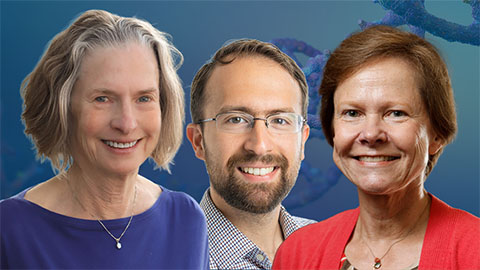
ASBMB members receive RNA Society awards
The RNA Society awards Brenda Bass, Can Cenik and Karin Musier–Forsyth for their achievements in RNA research and innovation. Winners will be recognized at the closing awards ceremony of the RNA 2026 annual meeting.