
Opinions
More in Opinions

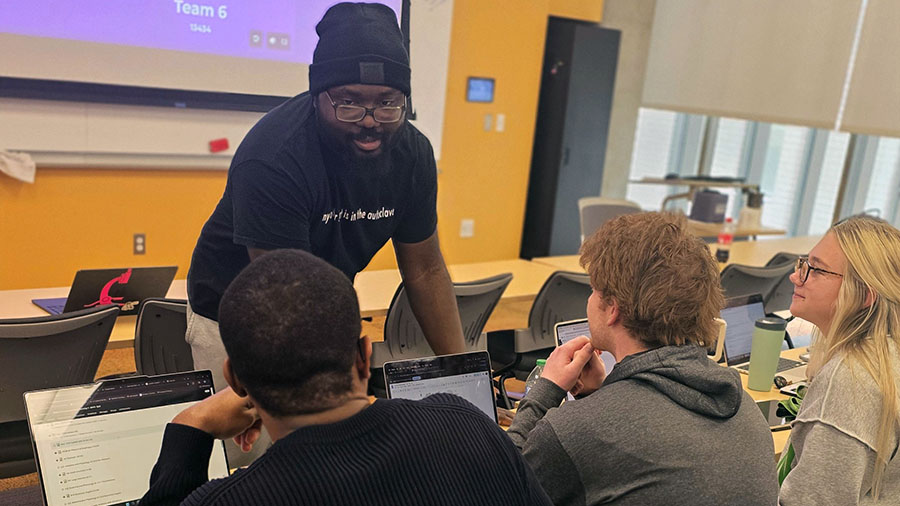
Mentorship and uncertainty: Lessons from Telemachus
A biochemistry educator reflects on mentorship through the Greek story of Telemachus, showing how embracing uncertainty, failure and curiosity can transform teaching.
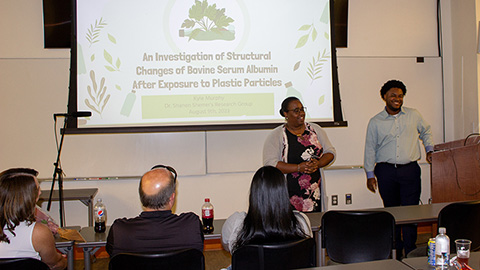
Embracing the twists and turns along the educator pathway
A biochemistry educator reflects on the challenges of early faculty life, describing how evidence-based teaching, cross-disciplinary collaboration and classroom challenges shaped her growth.
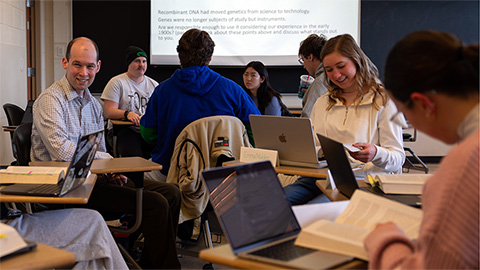
Redesigning with students in mind
Assistant professor reflects on how the shift to online teaching revealed gaps in points-based grading and led to a redesign centered on transparency and student growth.
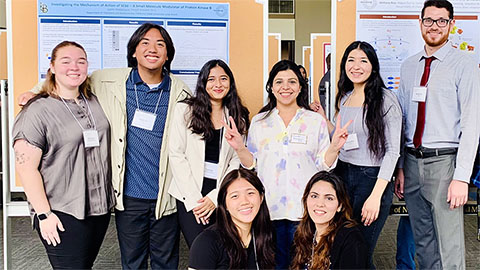
Teaching beyond information transfer
Educator reflects on moving beyond lectures to create a biochemistry classroom centered on engagement, transparency and student ownership, showing how small shifts like “student hours” and active learning can transform understanding.
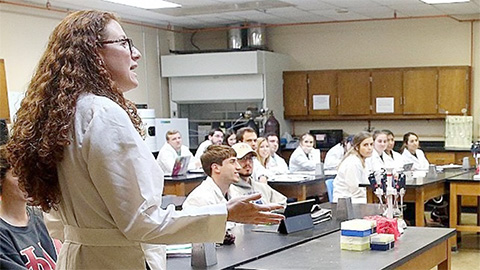
Mayday! Lessons from cellular dysfunction and group work dynamics
An upper-level biology course revealed that strong science doesn’t guarantee strong teamwork. One instructor shares how failed group dynamics reshaped their approach, leading to more structured, collaborative and effective student learning.
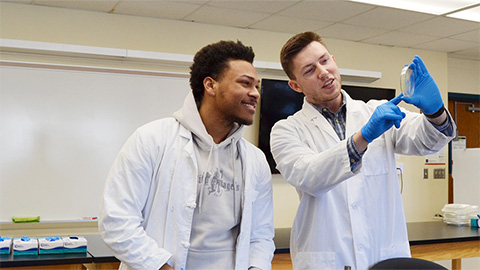
Showing students that it’s OK to ask questions
Assistant professor reflects on how admitting uncertainty and following student questions beyond the syllabus reshaped classroom culture, encouraging curiosity, vulnerability and deeper engagement in introductory biology.
Evolving the undergraduate biochemistry lab
More in Opinions
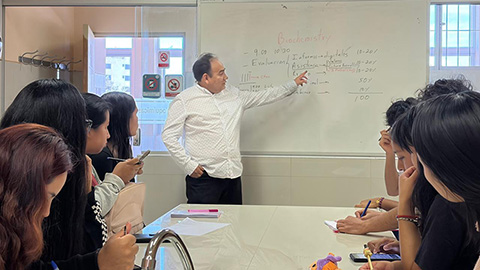
Promoting positive values in biochemistry classes
Associate professor integrates emotional awareness and values-based learning into biochemistry courses, helping students improve both academic performance and long-term personal growth.
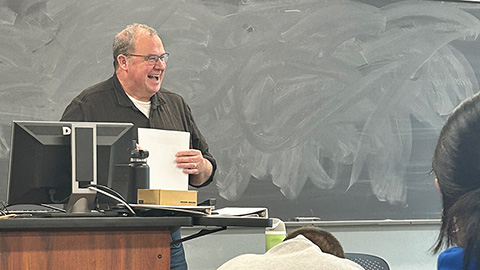
Timeless reflections on mentorship and teaching
Professor at a primarily undergraduate university reflects on how mentorship remains the heart of education, while technology changes how content is delivered and students connect with material and instructors.
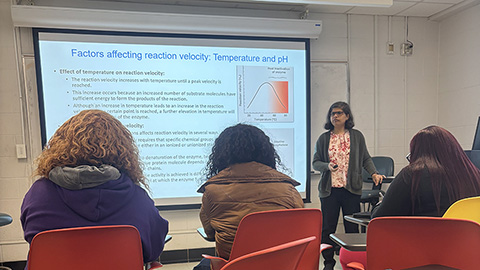
When AI replaces confidence in the classroom
After students relied on AI for writing assignments, one molecular biology instructor reframed the issue as a confidence gap and implemented a collaborative assignment to foster scientific reasoning and authentic engagement at an HBCU.
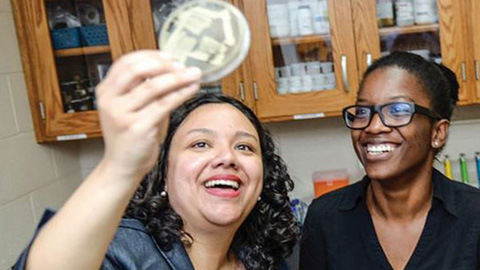
“Hi, profe!” How I learned to connect with my students
After critical course evaluations, a biochemistry instructor reflects on how sharing her story and building relationships transformed her classroom, helping students feel seen, welcomed and more connected to science.
Teaching an evolving field: Lessons from mosquitos
Professor explores how adapting teaching to new technologies and student needs can deepen learning.
Flipping the script to build student confidence through empathy
Educator reexamines her approach to an introductory biochemistry course, showing how affirmation and intentional support reshaped student engagement and persistence.
Get the latest from ASBMB Today
Enter your email address, and we’ll send you a weekly email with recent articles, interviews and more.