
Revealing the glycoproteome of a cancer subtype

Cholangiocarcinoma, or CCA, is a rare form of cancer that originates in the bile duct. One commonly observed feature of CCA is disruption of glycosylation, a type of protein posttranslational modification. If proteins are modified with too many, too few or incorrect sugars, this can encourage cancer progression by disrupting the interactions between the glycosylated proteins and other cells, helping cancer cells avoid immune responses. Studies have revealed the glycoproteomic profile of the intrahepatic CCA subtype, or iCCA, which arises inside the liver. But, until recently, the extrahepatic subtype, or eCCA, counterpart, which arises outside of the liver, remained unknown.
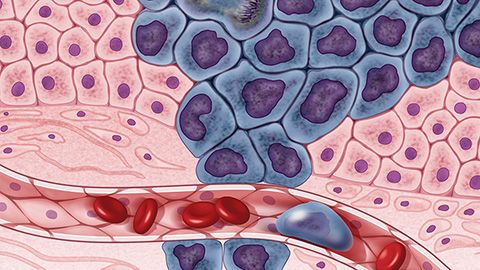
In a study published in Molecular & Cellular Proteomics, Zhili Xia, Li Gao, Meng Hu, Yingjie Li, Kexin Yu, Wenbo Meng and a team of researchers at Lanzhou University and Sichuan University investigated the eCCA glycoproteome and compared it to that of iCCA. They performed tandem mass tag glycoproteomics on eCCA tumor samples to identify glycoproteins and modification sites and then compared their data to a publicly available iCCA single-cell RNA sequencing dataset. They found that the two subtypes had different proportions of certain types of sugars; for example, eCCA featured more sialylated glycans capped with sialic acid. Further comparisons revealed different immune cell contents, suggesting that the subtypes undergo different changes to their tumor microenvironments.
These insights may help identify biomarkers for diagnosing the CCA subtypes and guide the development of immunotherapies. More research is needed to validate these findings with larger sample sizes and to understand the roles of specific enzymes for glycosylation-targeting therapies.
Enjoy reading ASBMB Today?
Become a member to receive the print edition four times a year and the digital edition monthly.
Learn moreGet the latest from ASBMB Today
Enter your email address, and we’ll send you a weekly email with recent articles, interviews and more.
Latest in Science
Science highlights or most popular articles
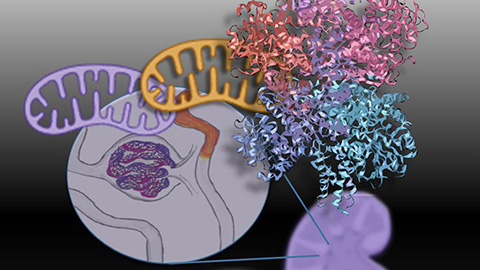
Mitochondria shape kidney cell function
Researchers at the University of Washington, Seattle present the first quantitative comparison of mitochondrial interactomes between two epithelial cell types in the kidney.
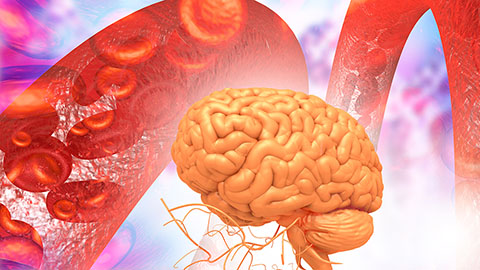
Long-chain polyunsaturated fatty acids linked to postoperative delirium risk
Researchers show that altered lipid metabolism may contribute to postoperative delirium, a condition linked to increased risk for long-term cognitive decline. The study explores potential disease mechanisms, which have yet to be understood.
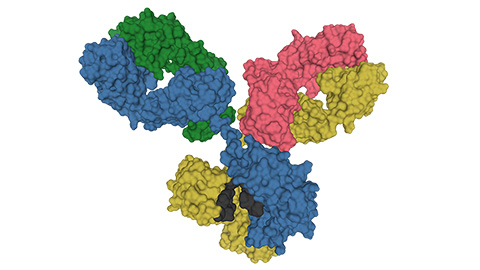
Glycosylation patterns across antibody isotypes distinguish tuberculosis states
Researchers at Taipei Medical University present the first site-specific glycosylation analysis of immunoglobulins in elderly tuberculosis patients.
Blood glycome possibly predicts lifespan
Researchers at the University of Santiago de Compostela show that total serum N-glycome can predict mortality independent of traditional risk factors.
Building a better model for drug delivery across the blood–brain barrier
Industry and academic scientists collaborated to develop a rat with humanized iron-transport receptors, enabling research into iron homeostasis and drugs that cross the brain’s barrier.
Fat synthesis enzyme crucial for milk fat and newborn growth
Researchers found that a deficiency of the fatty acid synthesis enzyme stearoyl-CoA desaturase-1 reduced mammary gland function during lactation and caused low birth weight in newborns that were fed milk from enzyme-deficient glands.