
Mitochondria shape kidney cell function

Mitochondria are known as the powerhouses of the cell, but growing evidence suggests their roles extend far beyond ATP generation. In the kidney, podocytes and tubular epithelial cells are two nephron cell types. Mitochondria play a well-studied role in tubules, where high energy demand supports nutrient reabsorption, while podocytes rely on mitochondria to support detoxification. How mitochondria adapt to support these contrasting cellular functions remains unclear.
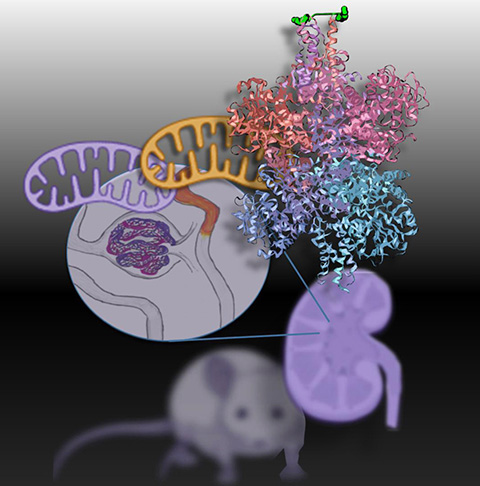
In a recent Molecular & Cellular Proteomics study, Anna Bakhtina of the University of Washington and her team present the first quantitative comparison of mitochondrial interactomes between podocytes and tubules. Using transgenic MitoTag reporter mice, the team selectively isolated mitochondria from each cell type and combined proteomics with quantitative cross-linking mass spectrometry, or qXL-MS, to assess both protein abundance and interaction networks.
Proteomic analysis showed that mitochondrial protein abundance was broadly similar between podocytes and tubules, with only modest differences aligned with known functions, including citric acid cycle and aerobic respiration proteins in tubules and detoxification pathways in podocytes. In contrast, qXL-MS revealed significant changes in 366 mitochondrial protein crosslinks, despite unchanged protein abundance, highlighting functional differences invisible to conventional proteomics.
Interactomic analysis revealed podocyte-enriched metabolic pathways not obvious from proteomics: betaine metabolism for osmotic regulation, lysine degradation through increased multimeric cross-links of alpha-aminoadipic semialdehyde synthase, or AASS, indicating higher enzymatic activity despite stable protein levels and tryptophan metabolism marked by elevated kynurenine 3-monooxygenase, or KMO. Beyond metabolism, podocyte mitochondria also showed increased lysosome contacts through intact V-ATPase complexes, suggesting that mitochondrial specialization extends beyond metabolism to local organelle environments.
Overall, this work demonstrates that mitochondrial specialization in the kidney is encoded primarily through protein interaction networks rather than protein abundance. This approach provides a powerful framework for mapping cell-specific mitochondrial regulation in physiology, aging and disease, offering insights into organ function that were previously unknown.
Enjoy reading ASBMB Today?
Become a member to receive the print edition four times a year and the digital edition monthly.
Learn moreGet the latest from ASBMB Today
Enter your email address, and we’ll send you a weekly email with recent articles, interviews and more.
Latest in Science
Science highlights or most popular articles
Long-chain polyunsaturated fatty acids linked to postoperative delirium risk
Researchers show that altered lipid metabolism may contribute to postoperative delirium, a condition linked to increased risk for long-term cognitive decline. The study explores potential disease mechanisms, which have yet to be understood.
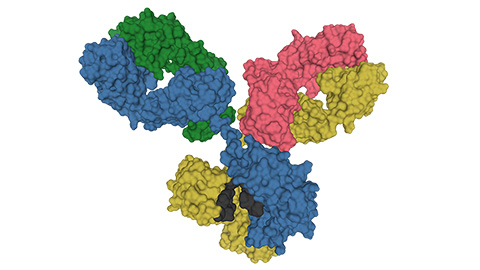
Glycosylation patterns across antibody isotypes distinguish tuberculosis states
Researchers at Taipei Medical University present the first site-specific glycosylation analysis of immunoglobulins in elderly tuberculosis patients.
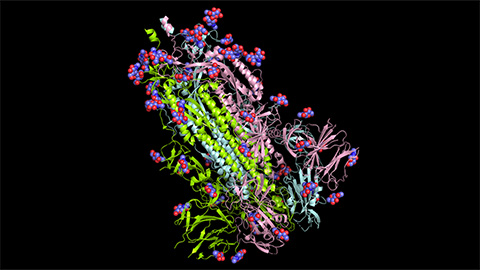
Blood glycome possibly predicts lifespan
Researchers at the University of Santiago de Compostela show that total serum N-glycome can predict mortality independent of traditional risk factors.
Building a better model for drug delivery across the blood–brain barrier
Industry and academic scientists collaborated to develop a rat with humanized iron-transport receptors, enabling research into iron homeostasis and drugs that cross the brain’s barrier.
Fat synthesis enzyme crucial for milk fat and newborn growth
Researchers found that a deficiency of the fatty acid synthesis enzyme stearoyl-CoA desaturase-1 reduced mammary gland function during lactation and caused low birth weight in newborns that were fed milk from enzyme-deficient glands.
Flipping lipids and slime molds
A dull first job nearly pushed JBC associate editor Todd Graham out of science. Then a slime mold project changed his path. Now, he studies membrane biology and reflects on discovery, persistence and mentoring through uncertainty.