
Proteomics reveals protein shifts in diabetic eye disease
Diabetic retinopathy, DR, is the leading cause of blindness and vision impairment in adults under 40 in developed countries. Many cases progress to vision-threatening stages, including proliferative diabetic retinopathy, PDR, and neovascular glaucoma, NVG. To investigate the molecular mechanisms driving this progression and identify potential biomarkers, Jae Won Oh and colleagues in South Korea used label-free quantification and tandem mass tagging to profile the clear fluid found at the front of the eye, known as aqueous humor, from patients with nonproliferative DR, NPDR, PDR and NVG. Their findings, published in Molecular & Cellular Proteomics, identified proteins that differed across DR stages.
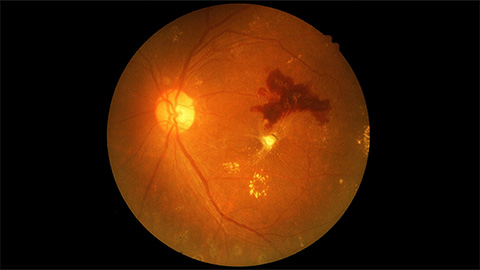
The researchers used triple-quadrupole mass spectrometry to validate the potential biomarker expression, including APOB, TF and S100A7. These proteins showed markedly different expression levels between NPDR and PDR, as well as between PDR and NVG. Between NPDR and PDR, levels of S100A7, a protein linked to inflammation, increased, suggesting an early activation of inflammatory pathways. In contrast, structural lens proteins, more abundant in NPDR, began to decline in PDR, indicating a shift away from tissue maintenance toward stress response. As the disease advanced from PDR to NVG, proteins like APOB and TF, which are involved in fat transport and immune regulation, continued to rise in expression. APOB stood out as a key marker of the most severe stage, NVG, showing a clear increase in levels compared to earlier stages. These shifts in protein expression reflect how the disease moves from affecting eye tissue and vision early on to involving more serious inflammation and damage in the later stages.
These findings provide key insight into the molecular progression of diabetic retinopathy and highlight stage-specific protein changes that could serve as biomarkers. By uncovering potential targets for earlier diagnosis and tailored treatment, this study lays the groundwork for improved management of vision-threatening diabetic eye disease.
Enjoy reading ASBMB Today?
Become a member to receive the print edition four times a year and the digital edition monthly.
Learn moreGet the latest from ASBMB Today
Enter your email address, and we’ll send you a weekly email with recent articles, interviews and more.
Latest in Science
Science highlights or most popular articles
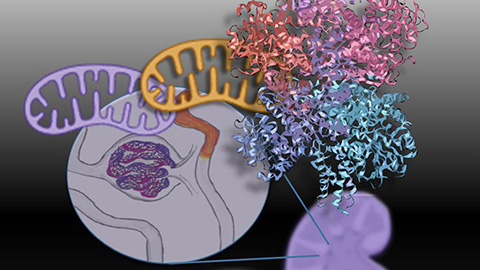
Mitochondria shape kidney cell function
Researchers at the University of Washington, Seattle present the first quantitative comparison of mitochondrial interactomes between two epithelial cell types in the kidney.
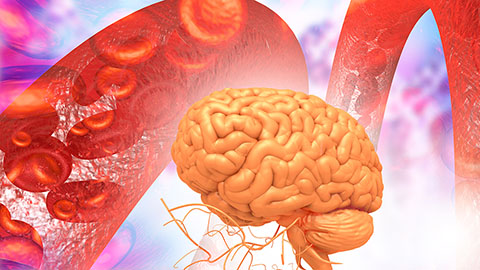
Long-chain polyunsaturated fatty acids linked to postoperative delirium risk
Researchers show that altered lipid metabolism may contribute to postoperative delirium, a condition linked to increased risk for long-term cognitive decline. The study explores potential disease mechanisms, which have yet to be understood.
Glycosylation patterns across antibody isotypes distinguish tuberculosis states
Researchers at Taipei Medical University present the first site-specific glycosylation analysis of immunoglobulins in elderly tuberculosis patients.
Blood glycome possibly predicts lifespan
Researchers at the University of Santiago de Compostela show that total serum N-glycome can predict mortality independent of traditional risk factors.
Building a better model for drug delivery across the blood–brain barrier
Industry and academic scientists collaborated to develop a rat with humanized iron-transport receptors, enabling research into iron homeostasis and drugs that cross the brain’s barrier.
Fat synthesis enzyme crucial for milk fat and newborn growth
Researchers found that a deficiency of the fatty acid synthesis enzyme stearoyl-CoA desaturase-1 reduced mammary gland function during lactation and caused low birth weight in newborns that were fed milk from enzyme-deficient glands.