
Extracellular vesicles offer clues to cattle reproduction
Improving bovine reproductive efficiency requires a better understanding of how the maternal reproductive tract interacts with the developing embryo. To study this complex communication, scientists are developing in vitro models that better mimic the oviduct’s natural environment. Within this environment, extracellular vesicles, or EVs, regulate processes that support embryo health.
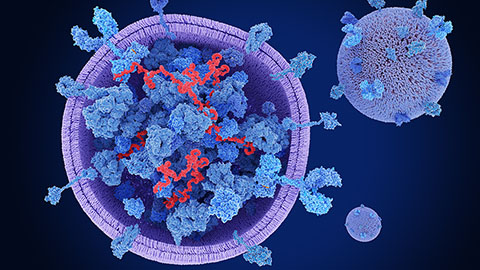
In a study conducted by Rosane Mazzarella from the National Institute for Agricultural and Food Research and Technology, published in Molecular & Cellular Proteomics, scientists examined the role of EVs in maternal–embryonic communication by comparing their protein cargo inside and outside of the maternal womb. Researchers collected EVs from the oviductal fluid of cyclic and pregnant heifers as well as from the conditioned media of oviductal explants removed from heifers and cultured in the lab, either with or without embryos.
About 78% of embryo-associated proteins overlapped between pregnant heifers and explants cultured with embryos, indicating that maternal-embryonic communication can be partially mimicked outside the body. However, label-free quantification revealed that EVs collected directly from the oviducts of pregnant animals and those produced by explants cultured with embryos displayed both qualitative and quantitative differences in their protein profiles. Notably, 49 EV proteins were unique to pregnant heifers. Among them, centromere protein E, which plays a role in cell division, is significant in identifying healthy, rapidly developing cow embryos and plays a key role in maintaining chromosome stability. Another protein, JAK3, helps relay signals from certain immune-related molecules and may promote embryonic cell survival and growth. These findings suggest that EVs from the natural reproductive environment may offer more robust support for embryo development.
Taken together, while laboratory systems replicate many features of maternal–embryonic signaling, EVs from pregnant heifers appear to deliver a more complete set of developmental cues, offering potential for enhancing artificial embryo culture systems via supplementation.
Enjoy reading ASBMB Today?
Become a member to receive the print edition four times a year and the digital edition monthly.
Learn moreGet the latest from ASBMB Today
Enter your email address, and we’ll send you a weekly email with recent articles, interviews and more.
Latest in Science
Science highlights or most popular articles
Mitochondria shape kidney cell function
Researchers at the University of Washington, Seattle present the first quantitative comparison of mitochondrial interactomes between two epithelial cell types in the kidney.
Long-chain polyunsaturated fatty acids linked to postoperative delirium risk
Researchers show that altered lipid metabolism may contribute to postoperative delirium, a condition linked to increased risk for long-term cognitive decline. The study explores potential disease mechanisms, which have yet to be understood.
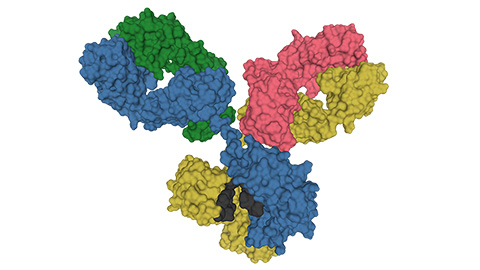
Glycosylation patterns across antibody isotypes distinguish tuberculosis states
Researchers at Taipei Medical University present the first site-specific glycosylation analysis of immunoglobulins in elderly tuberculosis patients.
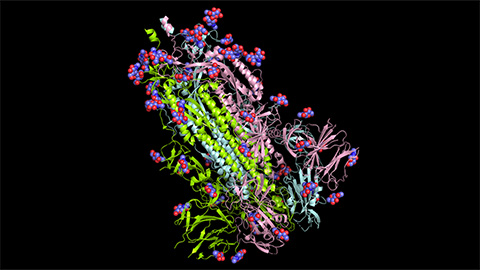
Blood glycome possibly predicts lifespan
Researchers at the University of Santiago de Compostela show that total serum N-glycome can predict mortality independent of traditional risk factors.
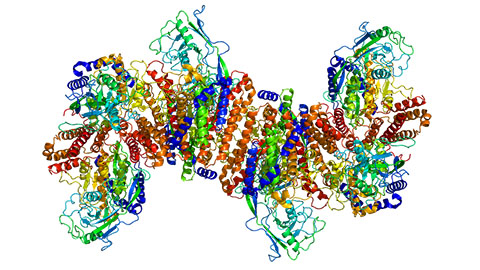
Building a better model for drug delivery across the blood–brain barrier
Industry and academic scientists collaborated to develop a rat with humanized iron-transport receptors, enabling research into iron homeostasis and drugs that cross the brain’s barrier.
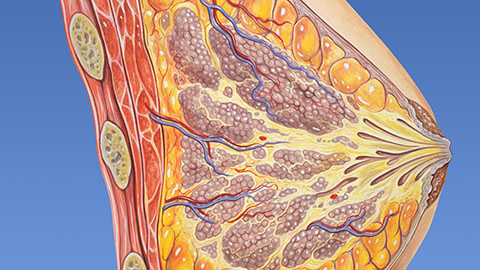
Fat synthesis enzyme crucial for milk fat and newborn growth
Researchers found that a deficiency of the fatty acid synthesis enzyme stearoyl-CoA desaturase-1 reduced mammary gland function during lactation and caused low birth weight in newborns that were fed milk from enzyme-deficient glands.