
Defining a ‘crucial gatekeeper’ of lipid metabolism
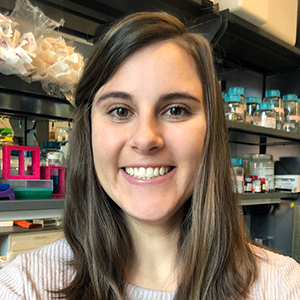
George Carman, board of governors professor at Rutgers University and founding director of the Rutgers Center for Lipid Research, first met Herbert Tabor at an ASBMB meeting in 1992. When Carman became an associate editor with the Journal of Biological Chemistry, or JBC, he began working closely with Tabor during Tabor’s tenure as editor-in-chief of JBC, frequently receiving mentorship.
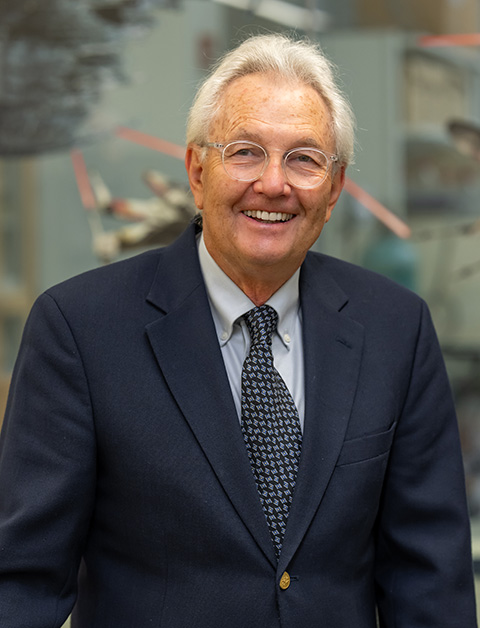
Carman has been awarded the American Society for Biochemistry and Molecular Biology’s Herbert Tabor Research Award for his outstanding accomplishments and contributions to the scientific community — a full-circle moment honoring his mentor.
“This respect from one of science's most famous figures was deeply meaningful,” he said of his time working with Tabor. “I am both humbled and profoundly gratified to receive this prestigious recognition.”
Carman’s research focuses on phospholipids — fat molecules with a hydrophilic head and hydrophobic tail that form the foundation of cellular membranes and play key roles in signaling and metabolism. Using the yeast Saccharomyces cerevisiae, which shares genetic similarities with humans, his work has revealed how these lipids are synthesized, regulated, and linked to disease.
As essential components of membranes and active players in cell signaling and metabolism, lipids must be tightly regulated — Carman's research focuses on uncovering the molecular mechanisms behind this balance.
“The imbalance of lipid metabolism is a central driver for major diseases, including obesity, diabetes and heart disease,” Carman said.
Carman identified and characterized the enzyme phosphatidic acid phosphatase, or PAP, a metabolic gatekeeper, which directs lipid building blocks either toward membrane synthesis or fat storage. His work shows that loss of PAP causes excess membrane production, seen in cancer, while excess PAP drives fat accumulation linked to conditions such as obesity, diabetes and heart disease.
Carman also helped uncover the biochemical functions of human lipin proteins, identifying them as PAPs. His yeast studies have offered critical insights into their regulation, enzymatic activity and potential roles in disease.
“The ultimate goal of our work is to understand how to ‘fine-tune’ this enzyme's activity,” Carman said. “By deciphering its genetic and molecular control, we aim to provide the foundational knowledge needed to develop new strategies for controlling lipid metabolism and combating these pervasive, lipid-based human diseases.”
In his nomination letter, Edward Dennis of the University of California, San Diego, emphasized how Carman’s “seminal contributions to biochemistry and molecular biology” have “defined the details of phospholipid synthesis and numerous important signaling events in yeast.” Dennis also noted Carman’s “rigor and enthusiasm” as well as “outstanding devotion” as an associate editor of JBC and the Journal of Lipid Research.
Carman will give a talk at the 2026 ASBMB Annual Meeting focusing on the function and regulation of PAP, and its potential as a therapeutic target for combating fungal infections.
Enjoy reading ASBMB Today?
Become a member to receive the print edition four times a year and the digital edition monthly.
Learn moreFeatured jobs
from the ASBMB career center
Get the latest from ASBMB Today
Enter your email address, and we’ll send you a weekly email with recent articles, interviews and more.
Latest in Careers
Careers highlights or most popular articles
Upcoming opportunities
🗨️ Shape the conversation at ASBMB 2027 in Boston! ASBMB is seeking proposals for sessions and events that will foster collaboration, highlight exciting science and support career development across the molecular life sciences.
Upcoming opportunities
Registration is now open for this summer's Art of Science Communication course! Build your science communication skills in this 8-week online program. ➡️ Registration deadline: May 6.

Upcoming opportunities
The American Society for Biochemistry and Molecular Biology is accepting applications for the Marion B. Sewer Distinguished Scholarship for Undergraduates. Apply by April 30, 2026.
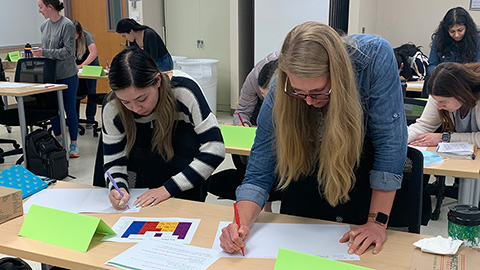
Designing scientific careers, not just experiments
Universities are rethinking how they prepare scientists for careers beyond the bench. From myIDP to Vanderbilt’s Career Architect, programs help trainees clarify values, explore options and build intentional paths forward.
Upcoming opportunities
Dive into the world of lipids! Join the ASBMB Lipid Research Division Seminar Series on April 9, 12–1 p.m. ET to hear early-career researchers explore lipid metabolism and mitochondrial biology.
Upcoming opportunities
For the summer 2026 ASBMB Today essay series, we invite scientists working in industry to share first-person reflections on their work. Submit your essay or pitch by April 15, 2026.