
Missing lipid shrinks heart and lowers exercise capacity

Phospholipase A and acyltransferase 1, or PLAAT1, is an enzyme that catalyzes lipid-modifying reactions. Under laboratory conditions, PLAAT1 produces a lipid known as cardiolipin. Cardiolipin is essential for the inner mitochondrial membrane because it stabilizes respiratory complexes and ATP synthase to support energy metabolism; thereby, influencing diverse biological processes, including growth, cardiorespiratory function and exercise capacity. However, the impact of PLAAT1 loss in living organisms remains unknown. To address this, Ashkan Hashemi and colleagues from the University of Waterloo, in collaboration with a team of researchers in Scotland, generated mice lacking the PLAAT1 gene and compared them to mice expressing PLAAT1. They published their results in the Journal of Lipid Research.
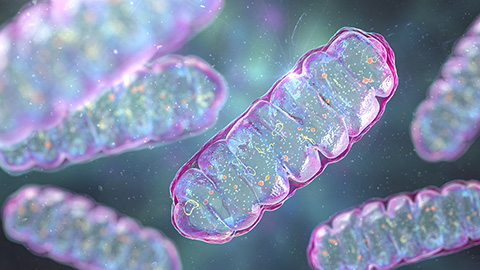
The authors observed that PLAAT1-deficient mice had similar body weights to their normal counterparts, although males ate less. Their hearts were noticeably smaller — 14.2% smaller in males and 10.6% smaller in females — and cardiolipin content in the heart dropped by approximately one-third, primarily due to a loss of the linoleate-rich form of the lipid. Additionally, these hearts contained reduced amounts of succinate dehydrogenase complex flavoprotein subunit A, a mitochondrial protein vital for energy metabolism. PLAAT1 deficiency also diminished oxygen consumption, carbon dioxide production and total energy expenditure. While general activity levels remained similar, exercise capacity was impaired in both male and female mice.
Together, these findings highlight PLAAT1 as a critical regulator of cardiolipin composition, mitochondrial function and systemic energy metabolism, with direct consequences for cardiovascular performance and potential links to mitochondrial disease.
Enjoy reading ASBMB Today?
Become a member to receive the print edition four times a year and the digital edition monthly.
Learn moreGet the latest from ASBMB Today
Enter your email address, and we’ll send you a weekly email with recent articles, interviews and more.
Latest in Science
Science highlights or most popular articles
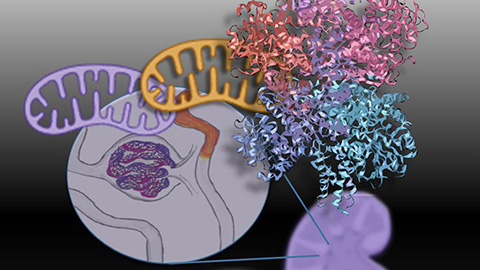
Mitochondria shape kidney cell function
Researchers at the University of Washington, Seattle present the first quantitative comparison of mitochondrial interactomes between two epithelial cell types in the kidney.
Long-chain polyunsaturated fatty acids linked to postoperative delirium risk
Researchers show that altered lipid metabolism may contribute to postoperative delirium, a condition linked to increased risk for long-term cognitive decline. The study explores potential disease mechanisms, which have yet to be understood.
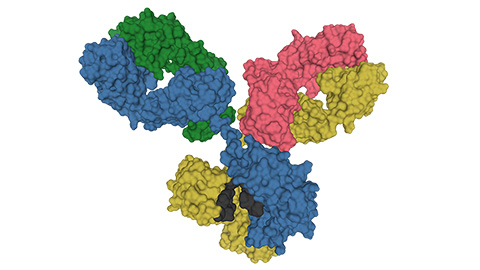
Glycosylation patterns across antibody isotypes distinguish tuberculosis states
Researchers at Taipei Medical University present the first site-specific glycosylation analysis of immunoglobulins in elderly tuberculosis patients.
Blood glycome possibly predicts lifespan
Researchers at the University of Santiago de Compostela show that total serum N-glycome can predict mortality independent of traditional risk factors.
Building a better model for drug delivery across the blood–brain barrier
Industry and academic scientists collaborated to develop a rat with humanized iron-transport receptors, enabling research into iron homeostasis and drugs that cross the brain’s barrier.
Fat synthesis enzyme crucial for milk fat and newborn growth
Researchers found that a deficiency of the fatty acid synthesis enzyme stearoyl-CoA desaturase-1 reduced mammary gland function during lactation and caused low birth weight in newborns that were fed milk from enzyme-deficient glands.