
Cholesterol regulatory genes predict liver transplant outcomes

Liver transplantation, or LT, is a life-saving therapy for patients with end-stage liver disease. End-stage liver disease develops from chronic liver diseases like metabolic dysfunction-associated steatotic liver disease, or MASLD, and metabolic dysfunction-associated steatohepatitis, or MASH, which is an advanced form of MASLD.
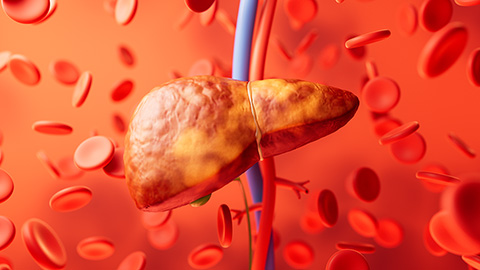
Recent organ donation statistics show that 10,659 liver transplants were performed in 2023, and the 1-year and 5-year survival rates after LT are 85% and 75%, respectively. Because MASLD affects roughly one-quarter of the general population and MASH is the second leading cause of LT in the US, screening organ donors for these conditions before transplant is essential to ensure patient safety and outcomes.
In a recent study published in the Journal of Lipid Research, Anna Baulies, Carmen García-Ruiz and a team of researchers in Spain investigated lipid content and expression of cholesterol metabolic genes in liver grafts, healthy tissue used for transplant, before and after the procedure, to predict patient survival and health outcomes. They collected liver biopsy samples from patients undergoing LT and found that increased free cholesterol and free fatty acid levels, as well as increased expression of the cholesterol regulatory genes SREBF2 and HMGCR in liver grafts prior to transplant, increased the risk of early allograft dysfunction, graft loss and in some cases, even death after transplant.
The correlation between cholesterol regulatory genes and LT-related mortality can inform donor screening for chronic liver disease, ensuring that healthier donor organs are selected to increase transplant success and, in turn, improve outcomes for patients receiving life-saving livers.
Enjoy reading ASBMB Today?
Become a member to receive the print edition four times a year and the digital edition monthly.
Learn moreGet the latest from ASBMB Today
Enter your email address, and we’ll send you a weekly email with recent articles, interviews and more.
Latest in Science
Science highlights or most popular articles
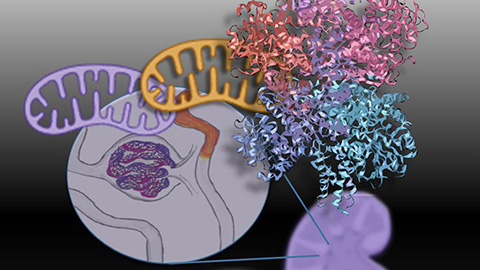
Mitochondria shape kidney cell function
Researchers at the University of Washington, Seattle present the first quantitative comparison of mitochondrial interactomes between two epithelial cell types in the kidney.
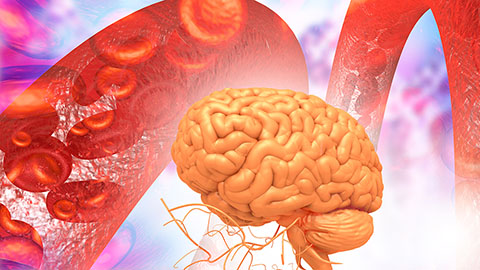
Long-chain polyunsaturated fatty acids linked to postoperative delirium risk
Researchers show that altered lipid metabolism may contribute to postoperative delirium, a condition linked to increased risk for long-term cognitive decline. The study explores potential disease mechanisms, which have yet to be understood.
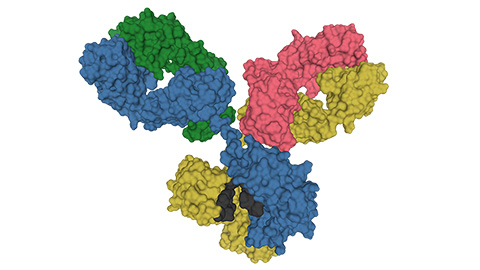
Glycosylation patterns across antibody isotypes distinguish tuberculosis states
Researchers at Taipei Medical University present the first site-specific glycosylation analysis of immunoglobulins in elderly tuberculosis patients.
Blood glycome possibly predicts lifespan
Researchers at the University of Santiago de Compostela show that total serum N-glycome can predict mortality independent of traditional risk factors.
Building a better model for drug delivery across the blood–brain barrier
Industry and academic scientists collaborated to develop a rat with humanized iron-transport receptors, enabling research into iron homeostasis and drugs that cross the brain’s barrier.
Fat synthesis enzyme crucial for milk fat and newborn growth
Researchers found that a deficiency of the fatty acid synthesis enzyme stearoyl-CoA desaturase-1 reduced mammary gland function during lactation and caused low birth weight in newborns that were fed milk from enzyme-deficient glands.