
Predicting fatty liver disease from a tiny blood sample
In the U.S., 40% of adults are obese, and an additional 31% are overweight, making up about two-thirds of the adult population. While other factors such as diabetes, and high blood pressure also contribute to liver disease, obesity is the primary risk factor linked to metabolic dysfunction-associated steatotic liver disease, or MASLD, a condition characterized by chronic fat accumulation in the liver. More than 40% of U.S. adults have some form of MASLD, with a significant portion of those affected being overweight or obese.
Now, however, more lean and normal-weight people are developing liver disease (lean/nonobese fatty liver disease), confounding traditional predictors and reinforcing the need for more accurate indicators.
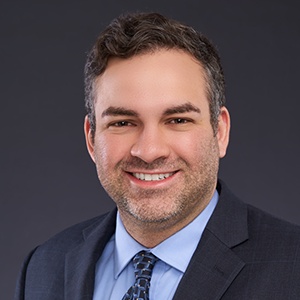
Oswald Quehenberger is a professor in the School of Medicine at the University of California, San Diego.
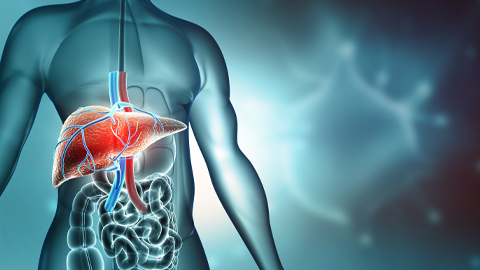
“Liver biopsy is the gold standard method to determine which people are at risk of developing or already have liver disease,” Quehenberger said. “However, the procedure is invasive, and it’s impossible to subject everyone at risk to liver biopsies. There’s a desperate clinical need for a biomarker for this disease, and this was the premise for our study.”
Quehenberger and colleagues analyzed over 300 patient samples from a study on nonalcoholic steatohepatitis collected by the NASH Clinical Research Network to find such a biomarker. They reported on their work in the Journal of Lipid Research.
The researchers reasoned that a lipid would be the best biomarker for fatty liver disease, and after performing a comprehensive lipid screen comparing diseased samples with healthy controls, they focused on eicosanoids, which are oxygenated metabolites of unsaturated fatty acids such as arachidonic acid. This analysis resulted in 12 eicosanoids that accurately predicted fatty liver disease.
“We had done a very small pilot study previously with 30 samples and were able to segregate out the mild from the severe disease and the healthy controls,” Quehenberger said. “That was a very specific study that showed us it is feasible to do this. What we have now is more specific than what we generated before.”
Other laboratories have searched for, and found, biomarkers for MASLD, he said. “But during the validation process, they didn’t hold up. This has been a problem all along, especially with fatty liver disease. Here in this study, we were able to verify and validate our initial data with a validation cohort that was independently collected.”
This study required the right collaborators. About two decades ago, co-author Edward A. Dennis of UC San Diego organized the LIPID MAPS Consortium to categorize lipids, establish a universal nomenclature, and develop methods for their accurate measurement. After co-author Arun J. Sanyal, of Virginia Commonwealth University gave a talk on fatty liver disease at a LIPID MAPS meeting, he collaborated with Dennis and Quehenberger to search for noninvasive biomarkers for MASLD.
As a member of the NASH CRN, Sanyal secured samples from the biorepository for this study. The team developed a method to analyze thousands of metabolites in every sample. They couldn’t do this manually, so Quehenberger worked with researchers at the University of Graz, Austria to develop a software algorithm that could identify and annotate the metabolites detected by mass spectrometry.
Only a subclass of lipids was used for this paper, but the entire plasma lipidome was measured. The contribution of other lipids to MASLD is part of an ongoing investigation. Twenty years ago, this would have been impossible, but now Quehenberger can analyze a sample in less than six minutes.
“It is a fairly easy transition now to put this into a clinical laboratory,” he said. “It’s very specific, cheap, and most important of all, it’s noninvasive. It’s 50 microliters of blood.
"That’s all it takes.”
Enjoy reading ASBMB Today?
Become a member to receive the print edition four times a year and the digital edition monthly.
Learn moreGet the latest from ASBMB Today
Enter your email address, and we’ll send you a weekly email with recent articles, interviews and more.
Latest in Science
Science highlights or most popular articles
Blood glycome possibly predicts lifespan
Researchers at the University of Santiago de Compostela show that total serum N-glycome can predict mortality independent of traditional risk factors.
Building a better model for drug delivery across the blood–brain barrier
Industry and academic scientists collaborated to develop a rat with humanized iron-transport receptors, enabling research into iron homeostasis and drugs that cross the brain’s barrier.
Fat synthesis enzyme crucial for milk fat and newborn growth
Researchers found that a deficiency of the fatty acid synthesis enzyme stearoyl-CoA desaturase-1 reduced mammary gland function during lactation and caused low birth weight in newborns that were fed milk from enzyme-deficient glands.
Flipping lipids and slime molds
A dull first job nearly pushed JBC associate editor Todd Graham out of science. Then a slime mold project changed his path. Now, he studies membrane biology and reflects on discovery, persistence and mentoring through uncertainty.
How smelling death alters worm behavior
Researchers have found that the roundworm C. elegans can smell death, and it changes how the worms behave, reproduce and age.
A chance encounter with the lab
Payton Stevens never planned to become a pancreatic cancer researcher. A temporary job set him on a path from rural Kentucky to leading research on Wnt signaling and metastasis, where he now pairs discovery with mentorship and science advocacy.