
Disease-linked mutations disrupt protein phase behavior

Many proteins contain intrinsically disordered regions, or IDRs, which are flexible sequences that do not participate in folding. IDRs mediate processes like phase separation, where condensed liquid droplets form within the cell. These protein-rich condensates include nucleoli and stress granules that are critical for intracellular functioning. But it remains unclear how mutated IDR sequences contribute to disease.
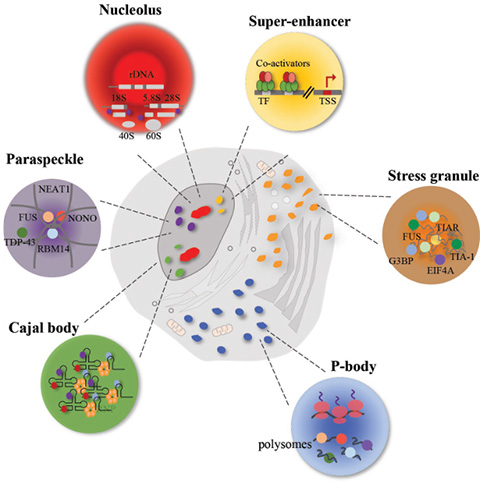

Oliver Kipp, Karen Lewis, and colleagues at Texas State University and the University of Colorado Boulder published an article in the Journal of Biological Chemistry investigating how missense mutations in IDRs affect protein phase separation and disease risk. Researchers analyzed a database of disease-linked missense mutations and mapped these onto protein IDRs. They found that pathogenic missense mutations are enriched threefold in phase-separating IDRs, or PS IDRs, compared to other IDRs. Likewise, mutations of arginine and aromatic residues were disproportionately pathogenic, while serine, threonine and alanine substitutions tended to be benign. Applying these trends to mutations of uncertain clinical significance, researchers predict that half of those occurring in PS IDRs are pathogenic.
These findings connect single amino acid changes to altered protein condensation of PS IDRs, suggesting a mechanism for how missense mutations contribute to conditions such as Alzheimer’s disease and Parkinson’s disease, which are associated with abnormal protein aggregation. Future research aims to improve predictive models of the effects of mutations on PS IDRs by considering amino acid specificity and mapping subcellular locations of mutations.
Enjoy reading ASBMB Today?
Become a member to receive the print edition four times a year and the digital edition monthly.
Learn moreGet the latest from ASBMB Today
Enter your email address, and we’ll send you a weekly email with recent articles, interviews and more.
Latest in Science
Science highlights or most popular articles
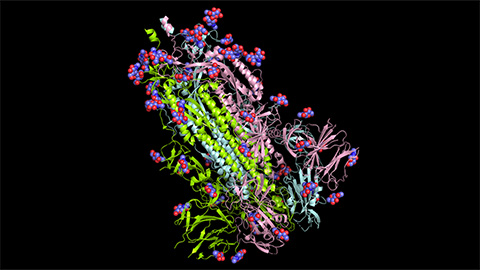
Blood glycome possibly predicts lifespan
Researchers at the University of Santiago de Compostela show that total serum N-glycome can predict mortality independent of traditional risk factors.
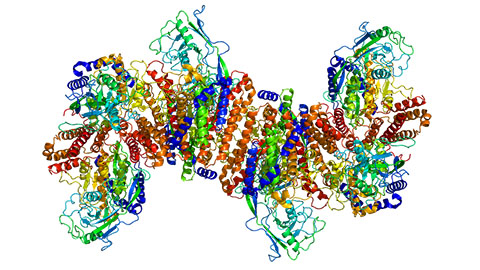
Building a better model for drug delivery across the blood–brain barrier
Industry and academic scientists collaborated to develop a rat with humanized iron-transport receptors, enabling research into iron homeostasis and drugs that cross the brain’s barrier.
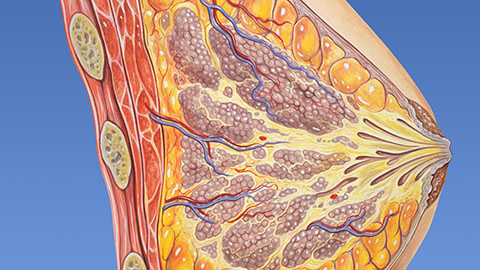
Fat synthesis enzyme crucial for milk fat and newborn growth
Researchers found that a deficiency of the fatty acid synthesis enzyme stearoyl-CoA desaturase-1 reduced mammary gland function during lactation and caused low birth weight in newborns that were fed milk from enzyme-deficient glands.

Flipping lipids and slime molds
A dull first job nearly pushed JBC associate editor Todd Graham out of science. Then a slime mold project changed his path. Now, he studies membrane biology and reflects on discovery, persistence and mentoring through uncertainty.
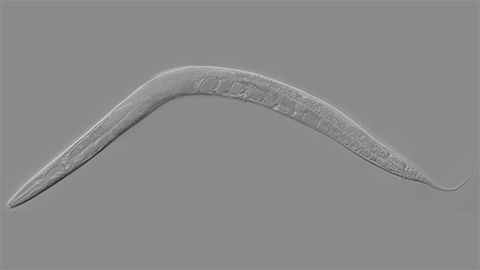
How smelling death alters worm behavior
Researchers have found that the roundworm C. elegans can smell death, and it changes how the worms behave, reproduce and age.
A chance encounter with the lab
Payton Stevens never planned to become a pancreatic cancer researcher. A temporary job set him on a path from rural Kentucky to leading research on Wnt signaling and metastasis, where he now pairs discovery with mentorship and science advocacy.