
Scientists find unexpected correlation between age and HDL-C levels

Coronary heart disease, or CHD, is a type of heart disease in which coronary arteries can’t deliver enough oxygen-rich blood to the heart, causing chest pain, shortness of breath and potentially a heart attack. High-density lipoprotein cholesterol, or HDL-C, also known as “good” cholesterol, levels are a risk indicator of CHD. Naturally high HDL-C levels reduce the risk of CHD, while low HDL-C levels increase this risk.
In a recent Journal of Lipid Research study, researchers determined how various factors, such as age, physical activity and childbirth, predict HDL-C serum concentration in a large, diverse cohort of adults. This multicenter study is one of the few to analyze HDL-C over an extended period, over 30 years, rather than only one time point.
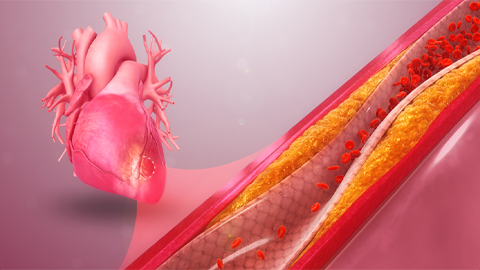
The Coronary Artery Risk Development in Young Adults study, or CARDIA, began in 1985 with a group of 5,115 Black and white men and women, aged 18–30 years, across multiple U.S. sites. James M. Shikany and his team led the coordinating center for the study at the University of Alabama at Birmingham. CARDIA examines the risk factors of CHD. Since then, Shikany has expanded the study to examine factors associated with HDL-C.
Participants receive tests and respond to questionnaires every five years to measure these factors. Shikany and his team then examine patterns in physical measurements, lifestyle factors, behavioral and psychological variables, medical and family history and blood concentrations of relevant substances. They then performed statistical regression analyses on the data. In their study, the team tested additional variables associated with HDL-C, including menopause status, hormone therapy and use of prescription drugs that lower cholesterol levels. Shikany said previous studies rarely examined these variables.
“I started noticing over the years that the HDL-C (serum levels) in CARDIA in men and women has been rising since year 15,” Shikany said. “(T)hat just piqued my interest.”
Shikany said this observation puzzled him because most participants showed higher weights, a characteristic usually associated with lower HDL-C levels.
The team observed that HDL-C levels positively correlated with age, alcohol intake, hormone therapy and birth control use and physical activity. Moreover, they found that individuals who had given birth had lower HDL-C levels than those who had not, with an even stronger correlation amongst those that birthed three or more children. Other factors associated with lower HDL-C concentrations include smoking and BMI.
Several questions remain, as the researchers did not identify one main factor driving the increased HDL-C levels. Shikany said age may be the driving factor, however, more research is needed to confirm that hypothesis.
Future directions will explore additional factors that may impact HDL-C levels and examine details of patient HDL-C, such as subtypes and functionality.
CARDIA is ongoing, and its duration will soon reach 40 years. Shikany said he hopes that the study will continue for many more years, allowing researchers to determine additional factors that influence cholesterol levels.
“We’ve always had very good retention; about 70% of the surviving cohorts come back for each exam,” Shikany said. “It’s really remarkable and shows their dedication, so we want to always express our appreciation.”
Enjoy reading ASBMB Today?
Become a member to receive the print edition four times a year and the digital edition monthly.
Learn moreGet the latest from ASBMB Today
Enter your email address, and we’ll send you a weekly email with recent articles, interviews and more.
Latest in Science
Science highlights or most popular articles
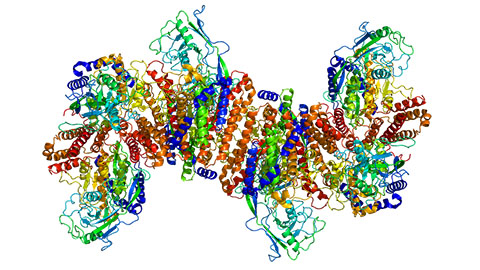
Building a better model for drug delivery across the blood–brain barrier
Industry and academic scientists collaborated to develop a rat with humanized iron-transport receptors, enabling research into iron homeostasis and drugs that cross the brain’s barrier.
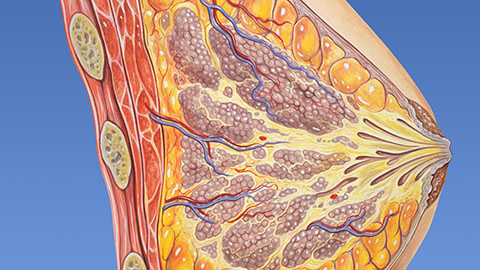
Fat synthesis enzyme crucial for milk fat and newborn growth
Researchers found that a deficiency of the fatty acid synthesis enzyme stearoyl-CoA desaturase-1 reduced mammary gland function during lactation and caused low birth weight in newborns that were fed milk from enzyme-deficient glands.

Flipping lipids and slime molds
A dull first job nearly pushed JBC associate editor Todd Graham out of science. Then a slime mold project changed his path. Now, he studies membrane biology and reflects on discovery, persistence and mentoring through uncertainty.
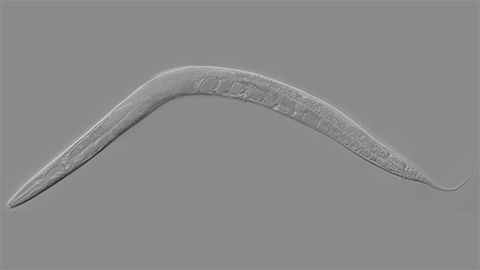
How smelling death alters worm behavior
Researchers have found that the roundworm C. elegans can smell death, and it changes how the worms behave, reproduce and age.

A chance encounter with the lab
Payton Stevens never planned to become a pancreatic cancer researcher. A temporary job set him on a path from rural Kentucky to leading research on Wnt signaling and metastasis, where he now pairs discovery with mentorship and science advocacy.
Light-activated small molecule could transform eye infection treatment
Contact lenses raise the risk of infectious keratitis, a leading cause of blindness worldwide. A biotech company is commercializing a light-activated therapy using a ROS-generating molecule to rapidly kill microbes in the cornea to preserve vision.