
Optimized proteomic analysis of preserved biological tissue samples

Formalin-fixed paraffin-embedded tissue, or FFPE, is a valuable resource for proteomic studies needed to drive clinically relevant insights. However, obtaining patient-derived samples in sufficient numbers to represent different disease subtypes while also accounting for variables such as age and sex, poses a significant challenge.
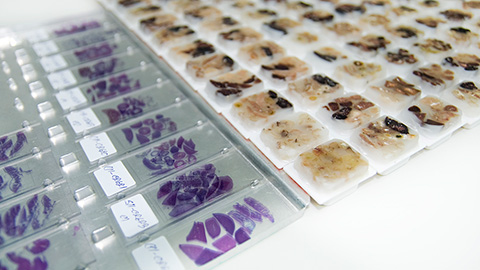
To meet this challenge, Moe Haines, John Thorup, Michael Gillette, Shankha Satpathy and others in the Carr lab at the Broad Institute of MIT and Harvard presented an optimized workflow for enhanced proteomic analysis of FFPE samples. They published their findings in Molecular & Cellular Proteomics. In this workflow, they use a combination of pathology, guided dissection, Adaptive Focused Acoustics sonication, digestion and liquid chromatography-tandem mass spectrometry to identify up to 10,000 unique proteins and 11,000 fully localized phosphorylation sites in FFPE tissue. This work demonstrates the ability to derive biologically relevant results from clinically derived tumor samples and offers a significantly reduced overall processing time, thus widening the scope of analysis. This provides a useful avenue for more thorough proteomic analysis of preserved biological samples.
Enjoy reading ASBMB Today?
Become a member to receive the print edition four times a year and the digital edition monthly.
Learn moreGet the latest from ASBMB Today
Enter your email address, and we’ll send you a weekly email with recent articles, interviews and more.
Latest in Science
Science highlights or most popular articles
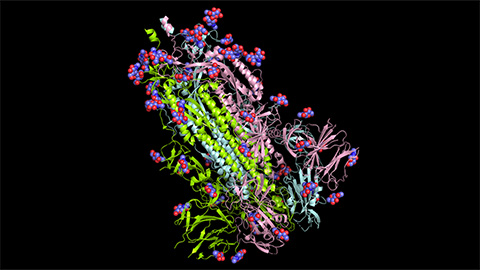
Blood glycome possibly predicts lifespan
Researchers at the University of Santiago de Compostela show that total serum N-glycome can predict mortality independent of traditional risk factors.
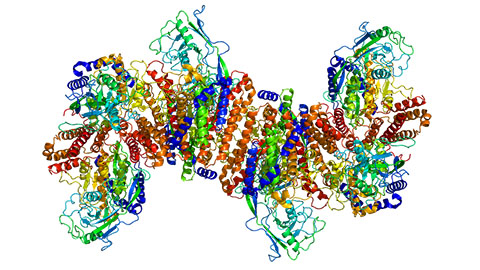
Building a better model for drug delivery across the blood–brain barrier
Industry and academic scientists collaborated to develop a rat with humanized iron-transport receptors, enabling research into iron homeostasis and drugs that cross the brain’s barrier.
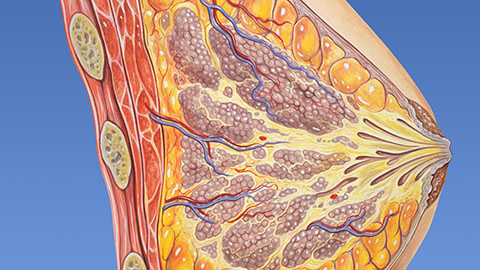
Fat synthesis enzyme crucial for milk fat and newborn growth
Researchers found that a deficiency of the fatty acid synthesis enzyme stearoyl-CoA desaturase-1 reduced mammary gland function during lactation and caused low birth weight in newborns that were fed milk from enzyme-deficient glands.
Flipping lipids and slime molds
A dull first job nearly pushed JBC associate editor Todd Graham out of science. Then a slime mold project changed his path. Now, he studies membrane biology and reflects on discovery, persistence and mentoring through uncertainty.
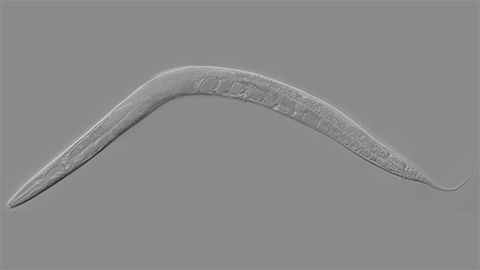
How smelling death alters worm behavior
Researchers have found that the roundworm C. elegans can smell death, and it changes how the worms behave, reproduce and age.
A chance encounter with the lab
Payton Stevens never planned to become a pancreatic cancer researcher. A temporary job set him on a path from rural Kentucky to leading research on Wnt signaling and metastasis, where he now pairs discovery with mentorship and science advocacy.