
Third annual JBC Methods Madness tournament

Calling all scientists! The Journal of Biological Chemistry’s third annual Methods Madness tournament is finally here.
Last year’s tournament stirred up quite the rivalry, with #TeamMassSpec dethroning #TeamCryo as the #JBCMethodsMadness champion! This year we welcome new contenders, including #TeamFlow, #TeamMedicine and #TeamProtein. Will one of these newbies make it to the finals? You decide!
The madness begins on Monday, March 7. (See tournament schedule below.) Submit your bracket by Sunday, March 6, for a chance to win a $100 gift card.
Round 1: The Scientific 16
Vote for your favorite methods by participating in polls posted by @jbiolchem.
Monday, March 7
9 a.m. – #TeamMassSpec vs. #TeamNMR
2 p.m. – #TeamXRC vs. #TeamImmuno
Tuesday, March 8
9 a.m. – #TeamChroma vs. #TeamFRET
2 p.m. – #TeamFlow vs. #TeamPCR
Wednesday, March 9
9 a.m. – #TeamCRISPR vs. #TeamOmics
2 p.m. – #TeamSuperRes vs. #TeamOpto
Thursday, March 10
9 a.m. – #TeamCryo vs. #TeamMedicine
2 p.m. – #TeamLiveCell vs. #TeamProtein
All times Eastern.
Enjoy reading ASBMB Today?
Become a member to receive the print edition four times a year and the digital edition monthly.
Learn moreGet the latest from ASBMB Today
Enter your email address, and we’ll send you a weekly email with recent articles, interviews and more.
Latest in Science
Science highlights or most popular articles
Glaucoma model links immune signaling to disease progression
Researchers at Duke University determine genetic variations that could increase the risk of developing glaucoma.
Uncovering the molecular roots of fatty liver disease
Physician–scientist Silvia Sookoian discusses her path from hepatitis C care to MASLD research, her use of multi-omics to study steatotic liver disease, and how lipid metabolism and genetics are reshaping understanding of MASH and liver health.
Mitochondria shape kidney cell function
Researchers at the University of Washington, Seattle present the first quantitative comparison of mitochondrial interactomes between two epithelial cell types in the kidney.
Long-chain polyunsaturated fatty acids linked to postoperative delirium risk
Researchers show that altered lipid metabolism may contribute to postoperative delirium, a condition linked to increased risk for long-term cognitive decline. The study explores potential disease mechanisms, which have yet to be understood.
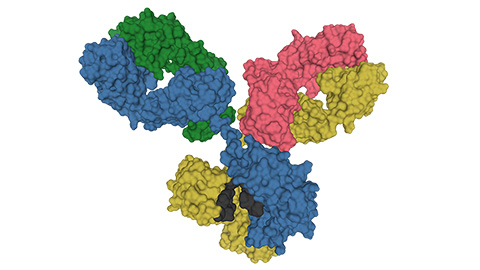
Glycosylation patterns across antibody isotypes distinguish tuberculosis states
Researchers at Taipei Medical University present the first site-specific glycosylation analysis of immunoglobulins in elderly tuberculosis patients.
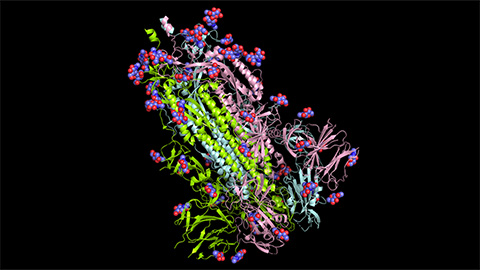
Blood glycome possibly predicts lifespan
Researchers at the University of Santiago de Compostela show that total serum N-glycome can predict mortality independent of traditional risk factors.