
In memoriam: Alan G. Goodridge

Alan G. Goodridge, a longtime associate editor of the Journal of Biological Chemistry, died August 8 at age 88. He had been an American Society for Biochemistry and Molecular Biology member since 1971.
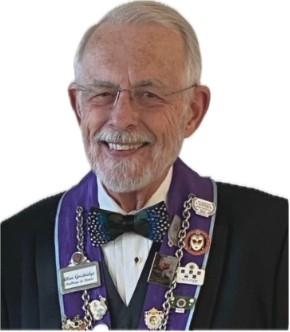
Born April 2, 1937, in Peabody, Massachusetts, Goodridge developed a passion for birdwatching that shaped his scientific path. He received a B.S. in biology from Tufts University and a Ph.D. in zoology from the University of Michigan. During his Ph.D., Goodridge studied how migrating birds fuel their wing muscles and identified a critical role for fatty acid biosynthesis in maintaining energy balance. After his Ph.D., he completed postdoctoral research in biochemistry at Harvard Medical School.
Goodridge’s academic career included being an assistant professor of physiology at the University of Kansas Medical Center, working in the Banting and Best Medical Research Department at the University of Toronto, being a professor of pharmacology and biochemistry at Case Western Reserve University, and becoming chair of the department of biochemistry at the University of Iowa.
Goodridge became best known for his work in lipid metabolism. He was part of the first generation of biochemists to use the techniques of molecular biology to investigate the synthesis of lipogenic enzymes in response to dietary and hormonal changes. His laboratory was the first to clone cDNAs for malic enzyme and fatty acid synthase, key enzymes in the synthesis of fatty acids. Most notably, he characterized the transcriptional regulation of these enzymes by thyroid hormone via the thyroid hormone receptor. This work highlighted the importance of DNA-binding proteins in regulating intermediary metabolism and identified these proteins as potential targets for drugs to treat obesity and hyperlipidemia, a condition of excess fat in the bloodstream.
In 1996, Goodridge switched from academic to administrative roles. He began as dean of the College of Biological Sciences at the Ohio State University, followed by an appointment as Provost of the University of Toledo, Ohio, and later, as provost and acting president of Alfaisal University in Riyadh, Saudi Arabia. Goodridge was instrumental in establishing four colleges at Alfaisal: Life Sciences, Medicine, Engineering and Business.
Throughout his career, Goodridge trained numerous graduate students and postdoctoral fellows. Through his mentorship, many went on to productive careers at universities and in academic research. “He was always a stickler for precision in scientific writing and public speaking, a process few of his mentees will forget,” Lisa Salati, a former postdoctoral fellow in the laboratory and current professor emeritus at West Virginia University, said.
Goodridge is survived by his two sons, three grandchildren and his wife.
Enjoy reading ASBMB Today?
Become a member to receive the print edition four times a year and the digital edition monthly.
Learn moreGet the latest from ASBMB Today
Enter your email address, and we’ll send you a weekly email with recent articles, interviews and more.
Latest in People
People highlights or most popular articles
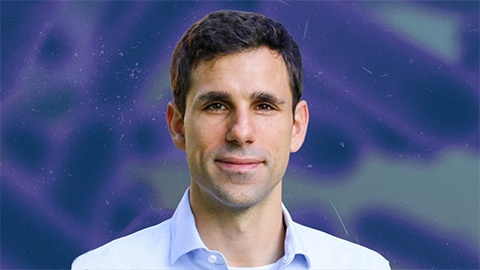
de la Fuente honored for AI research
The award will support the development of an AI system called ApexMol, a 3D structure–informed, agentic large language model designed to create new biomolecules.
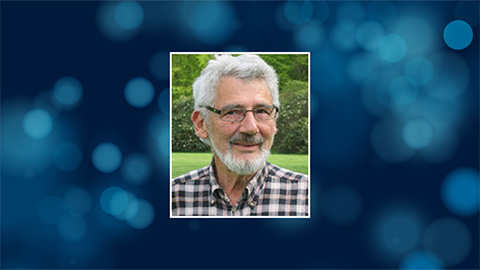
In memoriam: Peter Roepstorff
He was a leading researcher in biological mass spectrometry, mapped protein function in living organisms and was an ASBMB member for 19 years.
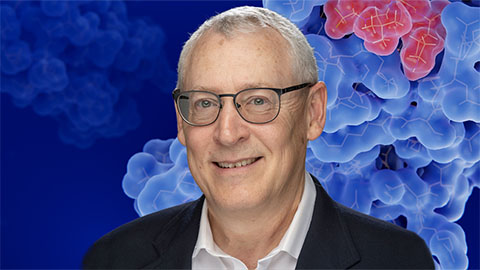
Flipping lipids and slime molds
A dull first job nearly pushed JBC associate editor Todd Graham out of science. Then a slime mold project changed his path. Now, he studies membrane biology and reflects on discovery, persistence and mentoring through uncertainty.
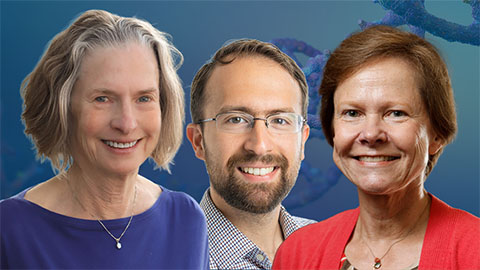
ASBMB members receive RNA Society awards
The RNA Society awards Brenda Bass, Can Cenik and Karin Musier–Forsyth for their achievements in RNA research and innovation. Winners will be recognized at the closing awards ceremony of the RNA 2026 annual meeting.
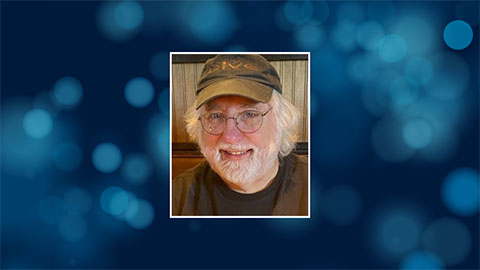
In memoriam: Richard L. Cross
He studied the enzymatic mechanisms of ATP synthase and served on the editorial board of the Journal of Biological Chemistry for 24 years.
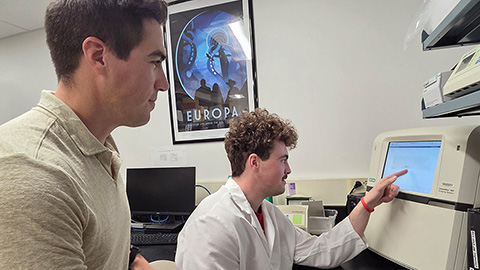
A chance encounter with the lab
Payton Stevens never planned to become a pancreatic cancer researcher. A temporary job set him on a path from rural Kentucky to leading research on Wnt signaling and metastasis, where he now pairs discovery with mentorship and science advocacy.