

Timeless reflections on mentorship and teaching

Being a professor means joining a profession with centuries of history, yet one that changes constantly. When I reflect on how teaching has changed, my first thought is how much of it has remained the same.
At its core, teaching is mentoring. Plumbers, brain surgeons, judges, residents, postdocs and graduate students all train under the guidance of a mentor. That interaction — between an expert and someone eager to learn — is central to the educational experience. It’s a one-on-one, personal relationship between teacher and student.
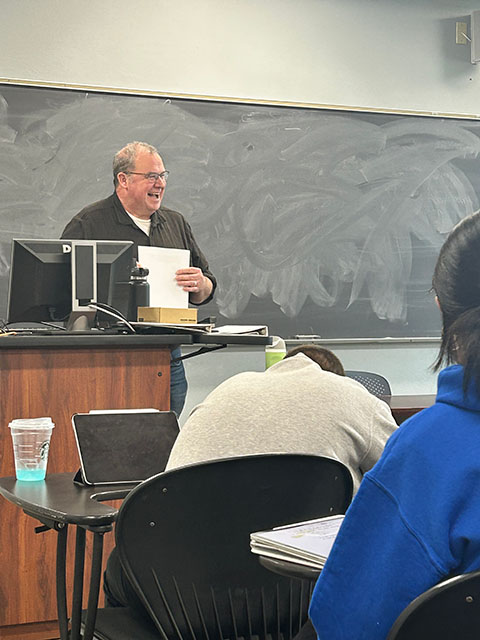
Over the past two centuries, we have adapted this model to educate larger classes across fields of knowledge, broadening exposure and accommodating many students. The idea of one-on-one interaction between student and teacher remains relevant.
Everyone can name a favorite teacher and recall memorable experiences. The relationships and memories are deeply personal. This will likely never change, whether you are the only graduate student working with a new principal investigator or one of many in a large lecture who connects with the material and instructor.
What has changed over time is how content is delivered and how we interact. While communication methods have changed, the inevitability of change comes with the territory.
Zoom meetings, social media and YouTube may seem disruptive, but earlier generations said the same about community colleges, public television, radio, phonographs, the printing press and even cuneiform tablets. Delivery methods evolve with technology, which can make connections easier, yet one-on-one interaction remains the foundation of teaching. Imagine trying to teach a class today without email or a cell phone. The tool lowers barriers to communication, but at its core, teachers and students are the interaction that counts.
Given how many of us absorb information, this interaction is more valuable than ever. Online learning presents great opportunities, but simply having online learning modules or videos fails to deliver the learning outcomes they once promised. The personal guidance a teacher or mentor gives is invaluable in lowering barriers to learning and helping students make connections.
Enjoy reading ASBMB Today?
Become a member to receive the print edition four times a year and the digital edition monthly.
Learn moreGet the latest from ASBMB Today
Enter your email address, and we’ll send you a weekly email with recent articles, interviews and more.
Latest in Opinions
Opinions highlights or most popular articles
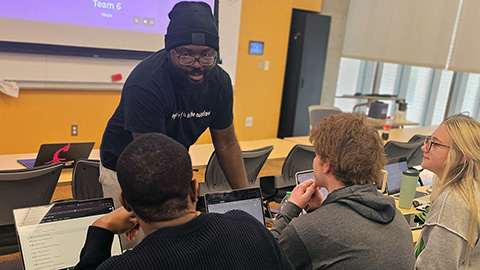
Learning can be fun: Gaming anatomy and physiology
Instructors explore how gamification and active learning transform student engagement and retention. They convey how emotion, interaction and design can make even rigorous subjects more effective and memorable.

Mentorship and uncertainty: Lessons from Telemachus
A biochemistry educator reflects on mentorship through the Greek story of Telemachus, showing how embracing uncertainty, failure and curiosity can transform teaching.
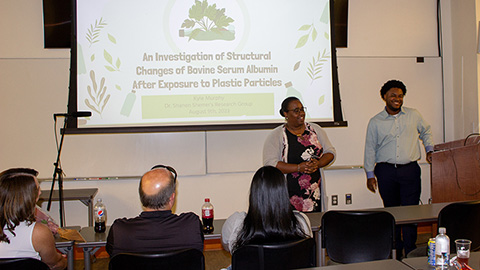
Embracing the twists and turns along the educator pathway
A biochemistry educator reflects on the challenges of early faculty life, describing how evidence-based teaching, cross-disciplinary collaboration and classroom challenges shaped her growth.
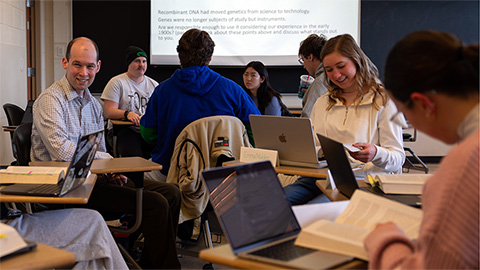
Redesigning with students in mind
Assistant professor reflects on how the shift to online teaching revealed gaps in points-based grading and led to a redesign centered on transparency and student growth.
Teaching beyond information transfer
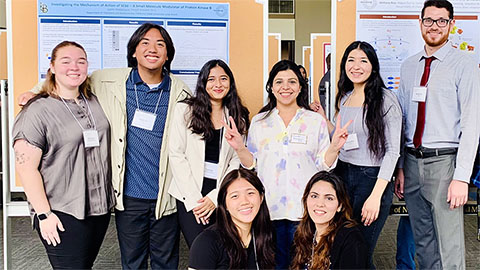
Educator reflects on moving beyond lectures to create a biochemistry classroom centered on engagement, transparency and student ownership, showing how small shifts like “student hours” and active learning can transform understanding.
Mayday! Lessons from cellular dysfunction and group work dynamics
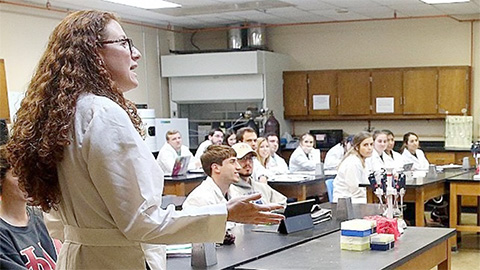
An upper-level biology course revealed that strong science doesn’t guarantee strong teamwork. One instructor shares how failed group dynamics reshaped their approach, leading to more structured, collaborative and effective student learning.