
Teaching beyond information transfer
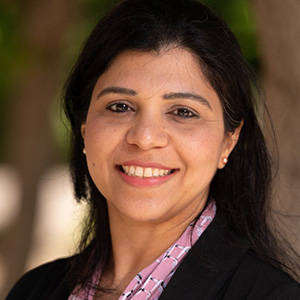
Like many scientists trained in research-intensive environments, my doctoral and postdoctoral training provided deep disciplinary expertise but little formal preparation for teaching. In my first few semesters as a biochemistry instructor, I relied heavily on traditional lectures, confident that a well-structured presentation would translate into student learning.
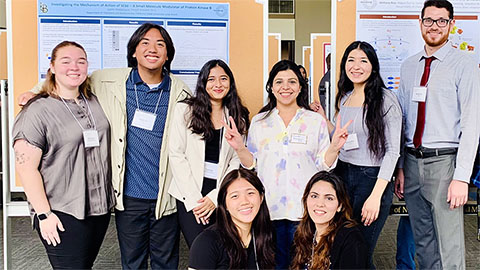
My students and my own experience quickly reshaped that belief.
Student feedback and self-reflection revealed that while lectures efficiently delivered content, they did not always foster deep understanding or confidence. Participation in pedagogy-focused learning communities and exposure to evidence-based teaching practices pushed me to rethink the lecture-centered model I had inherited. Gradually, I redesigned my courses, shifting the classroom from a place of information transfer to one of engagement and discovery.
One of the most meaningful changes I made was becoming more intentional and transparent about learning goals. I now begin each class with clearly articulated learning outcomes and revisit them throughout the session. To set an inviting tone, I open each session with a motivational quote or a scientific joke tied to the topic, a small ritual that helps humanize a challenging subject. And students love it!
Providing study guides and incorporating low-stakes activities help students focus on core concepts rather than memorization. Inviting students to work through problems at the board further transforms the classroom into a collaborative space.
Assessment was another area of significant change. I moved away from viewing exams as endpoints and began using assessment as a tool for learning. Weekly online homework with multiple attempts and immediate feedback, completion-based activities and postquiz discussions allow students to learn from mistakes in real time.
I was surprised by how strongly students responded and how often they came to what I call “student hours,” not just for answers but to talk through their reasoning. Sharing my own failures as a first-generation scientist also helped reshape classroom dynamics in lasting ways.
The greatest lesson my students have taught me is that learning is not linear. Some innovations worked well, while others required revision.
Creative activities such as biochemical skits and student-recorded mini lectures emerged through experimentation, including during the disruptions of the COVID-19 pandemic. What surprised me most was how readily students took ownership of their learning when given trust and flexibility.
While my instructional approaches have evolved over the past 11.5 years, one thing has remained constant: I enter the classroom deeply aware of the responsibility I carry as an educator. That responsibility has guided every revision and every effort to make biochemistry more accessible and meaningful. In refining my teaching, I have not only watched my students grow, I have grown alongside them, and for that I am deeply grateful.
Enjoy reading ASBMB Today?
Become a member to receive the print edition four times a year and the digital edition monthly.
Learn moreGet the latest from ASBMB Today
Enter your email address, and we’ll send you a weekly email with recent articles, interviews and more.
Latest in Opinions
Opinions highlights or most popular articles
Redesigning with students in mind
Assistant professor reflects on how the shift to online teaching revealed gaps in points-based grading and led to a redesign centered on transparency and student growth.
Mayday! Lessons from cellular dysfunction and group work dynamics
An upper-level biology course revealed that strong science doesn’t guarantee strong teamwork. One instructor shares how failed group dynamics reshaped their approach, leading to more structured, collaborative and effective student learning.
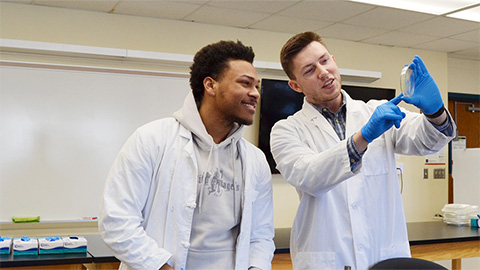
Showing students that it’s OK to ask questions
Assistant professor reflects on how admitting uncertainty and following student questions beyond the syllabus reshaped classroom culture, encouraging curiosity, vulnerability and deeper engagement in introductory biology.
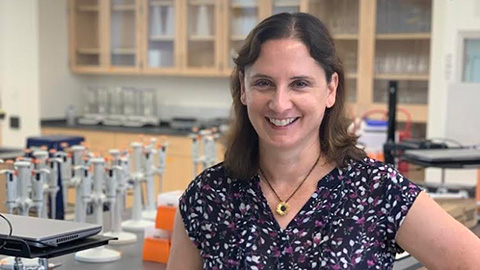
Evolving the undergraduate biochemistry lab
Biochemistry professor reflects on 25 years of teaching lab courses, tracing the shift from technique-driven exercises to course-based undergraduate research experiences.
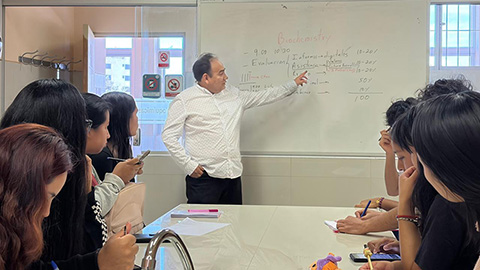
Promoting positive values in biochemistry classes
Associate professor integrates emotional awareness and values-based learning into biochemistry courses, helping students improve both academic performance and long-term personal growth.
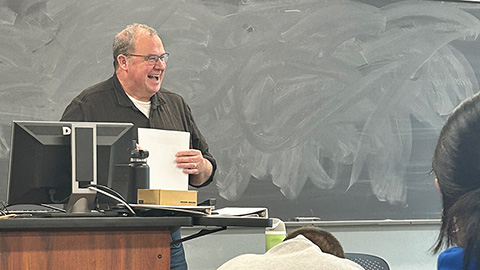
Timeless reflections on mentorship and teaching
Professor at a primarily undergraduate university reflects on how mentorship remains the heart of education, while technology changes how content is delivered and students connect with material and instructors.