

Flipping the script to build student confidence through empathy
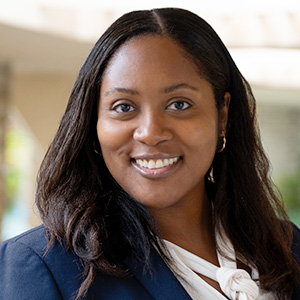
Teaching has always felt like an experiment shaped as much by students as by content.
Over the past five years, I have found myself rethinking how I teach introductory biochemistry, not because the science changed, but because my students did. Like many instructors, I turned to a flipped classroom model, which the literature supports to improve engagement, performance and conceptual understanding.
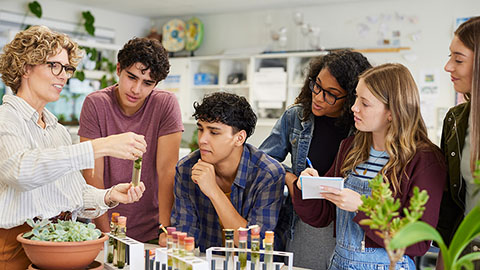
Those benefits largely held true in my course.
What surprised me, however, was how essential empathy and sustained support became, and how much more intentional I needed to be in helping students believe they belonged in science at all.
Recent cohorts arrived with noticeable gaps in retention and foundational understanding of core concepts. Just as striking was a clear erosion of confidence.
Many students hesitated to contribute, second-guessed reasonable ideas, or disengaged entirely when they felt uncertain. This was not unfamiliar territory. Rising anxiety and declining confidence among STEM students are well-documented, but seeing it so consistently forced me to confront a reality I could no longer teach around.
The flipped format gave me something traditional lectures never could: time. With content delivery moved outside the classroom, class time became an opportunity to slow down, listen more carefully and respond to students as learners in real time.
I could spend more time circulating, asking follow-up questions and intentionally affirming student thinking. Complimenting students on partial ideas, creative approaches or thoughtful questions became a deliberate practice rather than an afterthought.
For students accustomed to silence or correction, hearing that their contributions had value, even when incomplete, proved transformative.
This level of support extended well beyond language alone. I became more explicit about learning expectations, more transparent about why struggle is central to scientific thinking, and more proactive in normalizing conceptual rebuilding.
When students stumbled, my response shifted from moving on to working through the confusion together. Empathy became a pedagogical tool, grounded in evidence and enacted through human connection.
The additional time afforded by the flipped model also allowed me to expand the range of learning experiences students encountered. I incorporated more disease models and case studies, giving students opportunities to see how biochemical principles connect directly to human health and societal impact. These moments mattered.
Students who struggled with abstraction began to see themselves in the science, not just as test-takers but as future contributors to meaningful work. Engagement deepened not because the material became easier, but because it became personal.
What I ultimately learned is that evidence-based teaching strategies are necessary but insufficient on their own. Students facing conceptual gaps and diminished confidence require more than well-designed activities; they need affirmation, patience and visible belief in their capacity to grow.
Flipping my classroom did more than change how content was delivered. It changed how I showed up for my students.
By centering empathy alongside rigor, I found that students were not only more willing to engage, but more willing to persist — and that may be the most important outcome of all.
Enjoy reading ASBMB Today?
Become a member to receive the print edition four times a year and the digital edition monthly.
Learn moreGet the latest from ASBMB Today
Enter your email address, and we’ll send you a weekly email with recent articles, interviews and more.
Latest in Opinions
Opinions highlights or most popular articles
Learning can be fun: Gaming anatomy and physiology
Instructors explore how gamification and active learning transform student engagement and retention. They convey how emotion, interaction and design can make even rigorous subjects more effective and memorable.
Mentorship and uncertainty: Lessons from Telemachus
A biochemistry educator reflects on mentorship through the Greek story of Telemachus, showing how embracing uncertainty, failure and curiosity can transform teaching.
Embracing the twists and turns along the educator pathway
A biochemistry educator reflects on the challenges of early faculty life, describing how evidence-based teaching, cross-disciplinary collaboration and classroom challenges shaped her growth.
Redesigning with students in mind
Assistant professor reflects on how the shift to online teaching revealed gaps in points-based grading and led to a redesign centered on transparency and student growth.
Teaching beyond information transfer
Educator reflects on moving beyond lectures to create a biochemistry classroom centered on engagement, transparency and student ownership, showing how small shifts like “student hours” and active learning can transform understanding.
Mayday! Lessons from cellular dysfunction and group work dynamics
An upper-level biology course revealed that strong science doesn’t guarantee strong teamwork. One instructor shares how failed group dynamics reshaped their approach, leading to more structured, collaborative and effective student learning.