
Glaucoma model links immune signaling to disease progression

Pigmentary glaucoma can occur after a condition called pigment dispersion syndrome, or PDS, where pigment granules are shed from the back surface of the iris of the eye. The accumulation of these granules blocks the trabecular meshwork, preventing the internal fluid of the eye from draining properly and elevating intraocular pressure, or IOP. The details about the changes that happen in this iris and trabecular meshwork region leading to elevated IOP remain unclear.
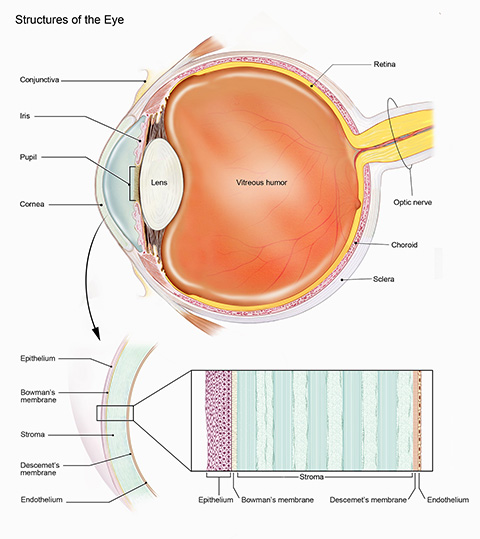
A team led by Myoung Sup Shim at the Department of Ophthalmology at Duke University addressed this knowledge gap in a recent study published in Molecular & Cellular Proteomics. They used a well-characterized glaucoma mouse model, which recapitulates elevated IOP and other aspects of the disease, and a derivative of this model whose single genetic correction prevents mice from developing IOP dysregulation. The researchers found alterations in the transcriptomic and proteomic profiles in the mouse model, which suggested activation of immune pathways and increased extracellular remodeling. This allowed the researchers to identify which genetic variations increase one’s likelihood of developing glaucoma. The study helps researchers understand what could contribute to glaucoma susceptibility and progression.
Enjoy reading ASBMB Today?
Become a member to receive the print edition four times a year and the digital edition monthly.
Learn moreGet the latest from ASBMB Today
Enter your email address, and we’ll send you a weekly email with recent articles, interviews and more.
Latest in Science
Science highlights or most popular articles
Uncovering the molecular roots of fatty liver disease
Physician–scientist Silvia Sookoian discusses her path from hepatitis C care to MASLD research, her use of multi-omics to study steatotic liver disease, and how lipid metabolism and genetics are reshaping understanding of MASH and liver health.
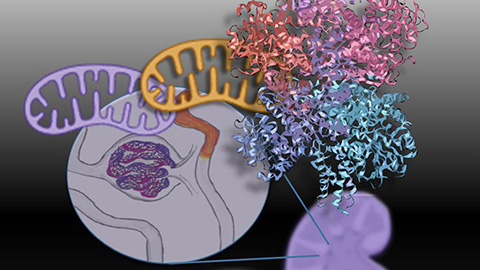
Mitochondria shape kidney cell function
Researchers at the University of Washington, Seattle present the first quantitative comparison of mitochondrial interactomes between two epithelial cell types in the kidney.
Long-chain polyunsaturated fatty acids linked to postoperative delirium risk
Researchers show that altered lipid metabolism may contribute to postoperative delirium, a condition linked to increased risk for long-term cognitive decline. The study explores potential disease mechanisms, which have yet to be understood.
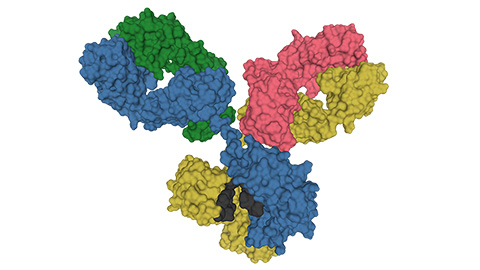
Glycosylation patterns across antibody isotypes distinguish tuberculosis states
Researchers at Taipei Medical University present the first site-specific glycosylation analysis of immunoglobulins in elderly tuberculosis patients.
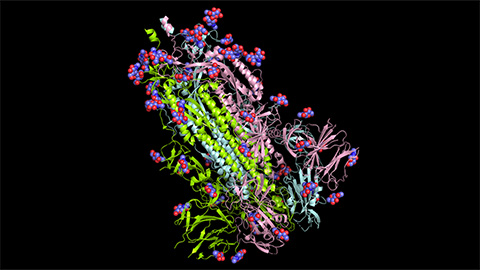
Blood glycome possibly predicts lifespan
Researchers at the University of Santiago de Compostela show that total serum N-glycome can predict mortality independent of traditional risk factors.
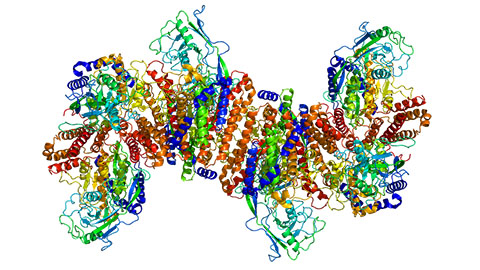
Building a better model for drug delivery across the blood–brain barrier
Industry and academic scientists collaborated to develop a rat with humanized iron-transport receptors, enabling research into iron homeostasis and drugs that cross the brain’s barrier.