
ASBMB names 2026 fellows
The American Society for Biochemistry and Molecular Biology announced that it has named 16 members as 2026 fellows of the society.
ASBMB fellows are members who have a history of exceptional and sustained service to the society, as well as a distinguished record of professional accomplishments that advance the molecular life sciences. Areas of accomplishment include basic and translational research, application and commercialization, education, outreach, increasing belonging and opportunity in science, mentorship, leadership and public service.
The society will honor the 2026 fellows at the ASBMB annual meeting on March 7–10 in Maryland. Learn more about the 2026 fellows below.
Donald Becker
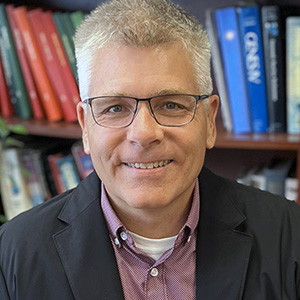
Donald Becker is the head of the biochemistry department at the University of Nebraska–Lincoln. His research examines proline metabolism and how it impacts stress response and the balance of oxidants and antioxidants within cells. These chemical changes can influence the growth of different organisms and are thought to be involved in many cellular processes that affect disease progression.
Becker served as an editorial board member of the Journal of Biological Chemistry. He is also a champion of several educational efforts, including ASBMB accreditation, certification and ensuring students can attend ASBMB’s annual meeting.
Becker was nominated by ASBMB fellow Oleh Khalimonchuk.
Paul Black
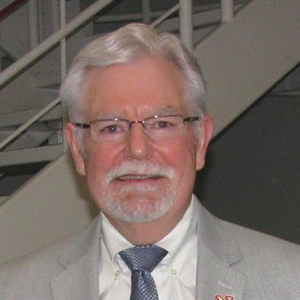
Paul Black is a professor and chair emeritus of biochemistry at the University of Nebraska–Lincoln. His research addressing the mechanism of fatty acid transport led to multiple U.S. patents and therapeutic innovations for metabolic diseases. His lab also pioneered and patented the use of algal photobioreactor systems to remove excess nitrogen-bound nitrate from groundwater sources. Black has served as a JBC editorial board member for two terms and continues to review manuscripts for both the JBC and the Journal of Lipid Research. He was also a judge for ASBMB’s undergraduate poster competition. In 2017, the biochemistry club at the University of Nebraska–Lincoln won the ASBMB outstanding student chapter award. In 2018, he was named a fellow of the American Association for the Advancement of Science for his seminal work on fatty acid transport. In 2020, he won the ASBMB Award for Exemplary Contributions to Education.
Black was nominated by ASBMB fellow Peter Kennelly.
Rachell Booth
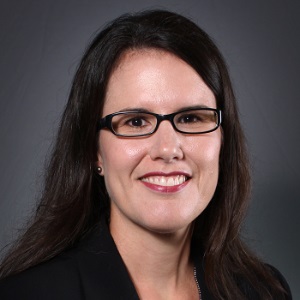
Rachell Booth is a professor of biochemistry at the University of the Incarnate Word. During the COVID-19 pandemic, she served on the ASBMB Student Chapters steering committee that provided ASBMB members with resources for pivoting to online teaching.
Booth served as the South-Central regional director of ASBMB Student Chapters for 10 years. She has contributed extensively to the society’s educational mission, including judging the undergraduate poster competition at the ASBMB annual meetings, co-organizing the 2019 educational conference, Transforming Undergraduate Education in the Molecular Life Sciences, and co-facilitating the Lab Management Workshops for early-career members. In 2021, she joined the Membership Committee.
Booth was nominated by ASBMB fellow Quinn Vega and ASBMB fellow Mary Huff.
Mary Dasso

Mary Dasso is the head of cell cycle regulation, associate scientific director for budget and administration and a senior investigator in the section on cell cycle regulation at the National Institutes of Health Eunice Kennedy Shriver National Institute of Child Health and Human Development, or NICHD. Her lab studies the components of nuclear transport machinery throughout the cell cycle. Dasso is known for discovering how the G protein Ran regulates mitotic spindle assembly during cell division, independent of its role in nuclear transport.
Dasso has won several national awards, including a 2020 National Institutes of Health Director’s award and a 2021 NICHD Merit Award. In 2018, she was elected an AAAS fellow. Dasso has also been a spotlight session chair, workshop organizer and career speed networking panelist at the ASBMB annual meeting. She is currently a member of the Women in Biochemistry and Molecular Biology Committee.
Dasso was nominated by Juan Bonifacino.
Daniel Dries

Daniel Dries is an assistant professor of chemistry in the Schmid College of Science and Technology at Chapman University. His lab aims to advance STEM education research by assessing and reimagining effective teaching and learning strategies. He currently focuses on using the theories of motivation and identity to create more equitable learning environments.
Dries serves on the Accreditation and Exam Subcommittee and is a former regional co-director for the ASBMB Student Chapters Steering Committee. He was also on the program planning committee for the 2021 annual meeting. In addition, he has served as a judge for the ASBMB undergraduate poster competition and for the Promoting Research Opportunities for Latin American Biochemists program. In 2025, he co-organized the TUEMLS meeting, an event focused on rethinking teaching strategies to better support students in biochemistry and molecular biology. He is also chair of the Fellowships Committee for the International Union of Biochemistry and Molecular Biology.
Dries was nominated by ASBMB fellow Victoria Del Gaizo Moore and ASBMB fellow Joseph Provost.
Donald Elmore
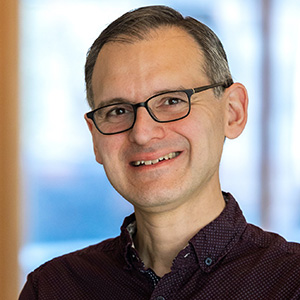
Donald Elmore is a professor of chemistry and endowed chair in the health sciences in the chemistry department and the biochemistry program at Wellesley College. His lab studies studies cell membrane proteins and characterizes and designs histone-derived antimicrobial peptides. His lab also collaborates with colleagues to develop chemistry and biochemistry educational activities for high school and undergraduate students.
Elmore previously received the Wellesley Pinanski Prize for teaching and was named a Henry Dreyfus Teacher-Scholar. Elmore has served as a member of the WiBMB Committee and a coach for the Interactive Mentoring Activities for Grantsmanship Enhancement, or IMAGE, grant writing workshop. He also serves as an undergraduate poster competition judge and reviews journal articles and grant proposals for several domestic and international organizations.
Elmore was nominated by Louise Darling, ASBMB fellow Susan Baserga, ASBMB fellow Adele Wolfson, ASBMB fellow Squire Booker and ASBMB fellow Kayunta Johnson–Winters.
I. Robert Lehman

I. Robert Lehman is a professor emeritus at the Stanford School of Medicine. His work focuses on DNA replication and repair, and he has identified two enzymes that play critical roles in these processes. As a postdoctoral fellow, he collaborated closely with Arthur Kornberg to define DNA polymerase, which synthesizes DNA. As an independent investigator, he discovered DNA ligase, which stitches two separate DNA molecules together. Both enzymes are key elements in the cloning, amplification and sequencing of DNA molecules.
Lehman was the ASBMB president in 1997 and has served as a JBC associate editor and editorial board member. In 2008, Lehman won the Herbert Tabor Research Award for his work in DNA metabolism, track record in mentorship and service to the JBC. He has been a member of the National Academy of Sciences since 1977.
Lehman was nominated by ASBMB fellow Charles Samuel and ASBMB President Joan Conaway.
Mary Lipton
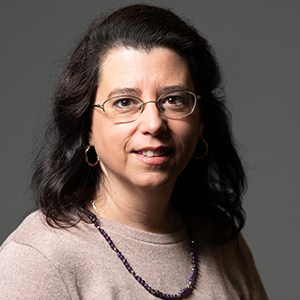
Lipton is a biochemist in the Environmental Molecular Sciences Division and the Environmental Molecular Sciences Laboratory at Pacific Northwest National Laboratory, or PNNL. She is known for using mass spectrometry–based omics analyses to characterize natural systems, including environmental microbes and microbial communities.
Lipton is a member of the ASBMB Public Affairs Advisory Committee. In 2023, 2024 and 2025 she visited Washington, D.C. for the society’s annual Capitol Hill Day. She has won several PNNL awards, including the Emerging Health Innovators Performance award, Woman of Achievement award and Outstanding Performance award. She was elected an AAAS fellow in 2022.
Lipton was nominated by Ann West.
Lea Vacca Michel
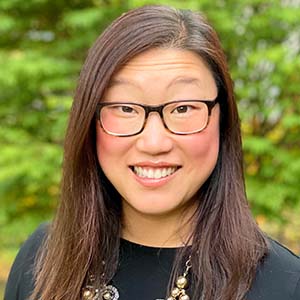
Lea Vacca Michel is a professor of chemistry and materials science and the College of Science’s Director of Access and Belonging at the Rochester Institute of Technology. Her lab studies the role of bacterial lipoproteins and crystallin proteins in bacterial infections and cataracts, respectively. Her group also studies bacterial extracellular vesicles as potential vaccine carriers and diagnostic biomarkers for bacterial sepsis.
Michel is currently the chair of the Maximizing Access Committee and has been an undergraduate poster judge at nine ASBMB annual meetings. She has also served as Director of the Rochester ACS Project SEED program and Chair of the Rochester ACS Women Chemists Committee. In 2022, she received the ASBMB Early-Career Leadership Award. In 2023, she received the ChemCUR Outstanding Mentor Award from the Chemistry Division and the Council on Undergraduate Research. In 2024, she was selected as a finalist for the Presidential Awards for Excellence in Science, Mathematics and Engineering Mentoring.
Michel was nominated by Sarah Bowman and ASBMB fellow Catherine Drennan.
Caryn Outten
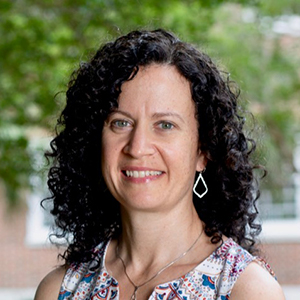
Caryn Outten is a professor of chemistry and biochemistry at the University of South Carolina. Her research lies at the intersection of redox biology and bioinorganic chemistry, with a focus on intracellular iron sensing and regulation, iron-sulfur cluster biogenesis and glutathione metabolism.
Outten previously served as a JBC editorial board member and an ASBMB Membership Committee member. As part of the Membership Committee, Outten helped establish the ASBMB Fellows program in 2020. She was also elected an AAAS fellow in 2019. Her awards and honors include the Presidential Early Career Award for Scientists and Engineers, the South Carolina Governor’s Young Scientist Award for Excellence in Scientific Research and the South Carolina Chemist of the Year Award.
Outten was nominated by Joan Broderick and ASBMB fellow Dennis Dean.
Tanya Paull

Tanya Paull is a professor of molecular biosciences and chair in human health at the University of Texas at Austin. Her lab studies the DNA damage response as well as oxidative stress signaling in cancer and neurodegeneration.
Paull previously served as a member of the Publications Committee and the Science Outreach and Communication Committee. She was also a speaker at the 2023 ASBMB annual meeting. From 2008 through 2019, she was an Investigator with the Howard Hughes Medical Institute, or HHMI.
Paull was nominated by ASBMB fellow Daniel Leahy.
Jared Rutter
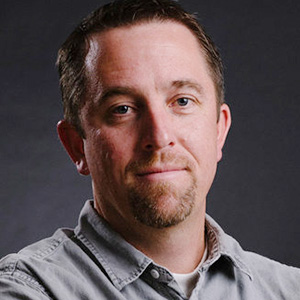
Jared Rutter is a distinguished professor of biochemistry at the University of Utah. He is co-director of the Center for Metabolic Health at the University of Utah and co-leader of the Genomics, Epigenetics and Metabolism Program at Huntsman Cancer Institute. His lab studies how cells sense and detect energy needs for their growth and metabolism using a variety of experimental and computational approaches to define the molecules and interactions involved. His lab has developed a platform that integrates mass spectrometry with equilibrium dialysis to discover metabolite-protein interactions.
Rutter is a member of the ASBMB Meetings Committee and a past member of the ASBMB Council. He was also a session chair for the 2025 annual meeting and previously served as a mentor for the IMAGE workshop. In addition, he is a current Investigator of the Howard Hughes Medical Institute.
Rutter was nominated by ASBMB fellow Wesley Sundquist.
Alan Saltiel
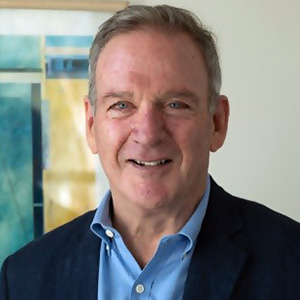
Alan Saltiel is a distinguished professor of medicine and pharmacology at the University of California San Diego and director of the Institute for Diabetes and Metabolic Health. His research focuses on how cells use and store energy in response to hormones and nutrients in health and disease, including uncovering the molecular mechanisms of insulin action and links between obesity and diabetes. He has discovered and developed several drugs, including the first MEK inhibitors for cancer.
Saltiel is an editorial board member of the JBC. He has won several awards, including the Rosalyn Yalow Research and Development Award from the American Diabetes Association, as well as the Goodman and Gilman award and Pharmacia award, both from the American Society for Pharmacology and Experimental Therapeutics. He is a member of the National Academy of Medicine, National Academy of Inventors and an AAAS fellow.
Saltiel was nominated by ASBMB fellow Alexandra Newton.
Ronald Wek
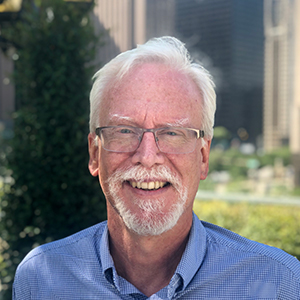
Ronald Wek is a professor of biochemistry at the Indiana University School of Medicine. His research focuses on understanding how cells cope with stress and how mechanisms of regulating protein synthesis and stress pathways contribute to disease progression.
Wek has been extensively involved with JBC and has contributed manuscripts and served as a reviewer throughout his career. He joined the JBC editorial board in 2013, and he became an associate editor in 2016. He has also served on the ASBMB Public Affairs Advisory Committee and is currently a member of the ASBMB Today Advisory Board.
Wek was nominated by Scott Aoki.
Lance Wells
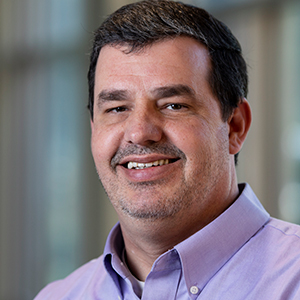
Lance Wells is a Georgia Research Alliance Distinguished Investigator and \associate director of the Complex Carbohydrate Research Center at the University of Georgia. His lab studies the role of O-glycosylation in neurological and muscular disorders.
Wells previously served as an editorial board member of JBC and is an editorial board member of Molecular & Cellular Proteomics. He served as a 2022 co-organizer of the first ASBMB special meeting on O-GlcNAc and has been an interest group leader, theme organizer and chair for previous ASBMB and Experimental Biology meetings.
Wells was nominated by Adam Barb, Michael Tiemeyer, ASBMB fellow Gerald Hart and ASBMB fellow Robert Haltiwanger.
Michael Wolyniak
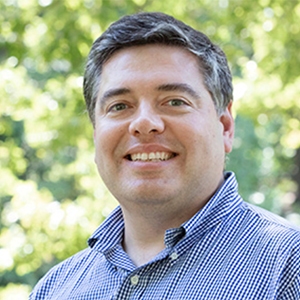
Michael Wolyniak is a professor of biology and the director of undergraduate research and creative activity at Hampden–Sydney College. He has received National Science Foundation grants for developing classes at the interface of biology and engineering as well as integrating CRISPR into the undergraduate classroom. He is a guest editor of an upcoming Biochemistry and Molecular Biology Education issue, which focuses on the current state of biochemistry and molecular biology education worldwide as well as the movements that have helped transform student learning. Wolyniak’s research explores the biochemistry of malate dehydrogenase as a member of the Malate Dehydrogenase Course-Based Undergraduate Research Experiences Community.
Wolyniak serves as a member of the SOCC Committee and chair of the Outreach Subcommittee. He also advises the ASBMB Student Chapter at his institution. Wolyniak was a speaker for the 2023 and 2025 TUEMLS meetings. He is the current chair of the Biology Division of the Council on Undergraduate Research and a past president of the Virginia Academy of Science. In 2022, he received the Libby and Hiter Harris Excellence in Undergraduate Teaching Award from the Virginia Foundation for Independent Colleges.
Wolyniak was nominated by ASBMB fellow Jennifer Roecklein–Canfield and ASBMB fellow Kathleen Cornely.
Enjoy reading ASBMB Today?
Become a member to receive the print edition four times a year and the digital edition monthly.
Learn moreGet the latest from ASBMB Today
Enter your email address, and we’ll send you a weekly email with recent articles, interviews and more.
Latest in People
People highlights or most popular articles
de la Fuente honored for AI research
The award will support the development of an AI system called ApexMol, a 3D structure–informed, agentic large language model designed to create new biomolecules.
In memoriam: Peter Roepstorff
He was a leading researcher in biological mass spectrometry, mapped protein function in living organisms and was an ASBMB member for 19 years.
Flipping lipids and slime molds
A dull first job nearly pushed JBC associate editor Todd Graham out of science. Then a slime mold project changed his path. Now, he studies membrane biology and reflects on discovery, persistence and mentoring through uncertainty.
ASBMB members receive RNA Society awards
The RNA Society awards Brenda Bass, Can Cenik and Karin Musier–Forsyth for their achievements in RNA research and innovation. Winners will be recognized at the closing awards ceremony of the RNA 2026 annual meeting.
In memoriam: Richard L. Cross
He studied the enzymatic mechanisms of ATP synthase and served on the editorial board of the Journal of Biological Chemistry for 24 years.
A chance encounter with the lab
Payton Stevens never planned to become a pancreatic cancer researcher. A temporary job set him on a path from rural Kentucky to leading research on Wnt signaling and metastasis, where he now pairs discovery with mentorship and science advocacy.