

“Hi, profe!” How I learned to connect with my students
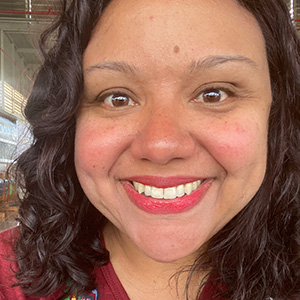
My heart dropped as I read my course evaluation reports. After holding my breath for weeks, my eyes opened to the fact that some students had deeply misunderstood my good intentions. Despite the effort and intentionality I had invested in my course, many students perceived me as tough, impersonal and aloof. Interpreting the data in my end-of-semester evaluations felt more like an art than a science, especially with only a few semesters of teaching experience.
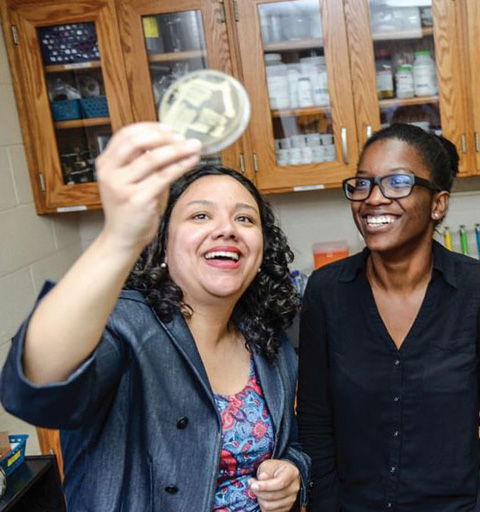
“It seems the students are describing a stranger, not me,” I said to a colleague, referring to my evaluations, during a gathering with fellow teachers.
We sat across from one another, debriefing. I was grateful for a conversation that was not about comparing numbers and quickly realized I was not the only one whose efforts had been misunderstood.
“You have to build relationships with them,” my colleague said between bites of comfort food.
On the first day of class, I had always shared a short preamble outlining my academic training and scientific credentials. I decided to change that approach so students could better understand who I am as a person.
“I was born and raised in Puerto Rico, so you might detect an accent,” I now add on the first day of class.
I also share parts of my undergraduate story, including my experience as a transfer student in the sciences. I end my first class of the semester by inviting students to share their own stories with me over the course of the semester.
Students have been generous in how they accepted my invitation to get to know them better. Some trusted me with stories about their connection to science. Others told me about traveling to Puerto Rico to visit family or on vacation. Some even shared their love of Spanish and asked if I would help them practice. Some recognized shared experiences rooted in our Latinidad, a shared sense of cultural connection among people of Latin American heritage.
Often, these exchanges simply made the classroom feel more familiar and welcoming.
“Hi, profe!” a student said enthusiastically as they walked into my 8 am science class.
I could not help but smile. “Profe,” short for profesora, is what I used to call my professors growing up on the island.
When I think back to the colleague whose advice prompted me to rethink my first day of class, I hope to pay it forward by offering the same support to another instructor when the time comes.
Enjoy reading ASBMB Today?
Become a member to receive the print edition four times a year and the digital edition monthly.
Learn moreGet the latest from ASBMB Today
Enter your email address, and we’ll send you a weekly email with recent articles, interviews and more.
Latest in Opinions
Opinions highlights or most popular articles
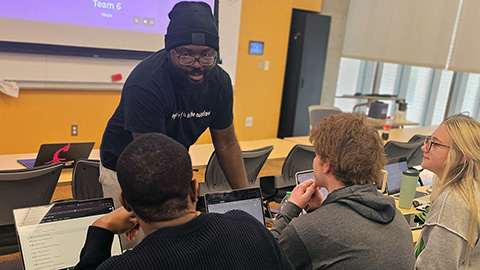
Learning can be fun: Gaming anatomy and physiology
Instructors explore how gamification and active learning transform student engagement and retention. They convey how emotion, interaction and design can make even rigorous subjects more effective and memorable.
Mentorship and uncertainty: Lessons from Telemachus
A biochemistry educator reflects on mentorship through the Greek story of Telemachus, showing how embracing uncertainty, failure and curiosity can transform teaching.
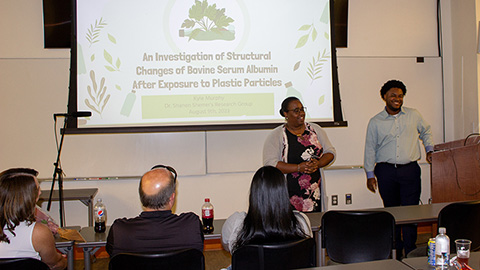
Embracing the twists and turns along the educator pathway
A biochemistry educator reflects on the challenges of early faculty life, describing how evidence-based teaching, cross-disciplinary collaboration and classroom challenges shaped her growth.
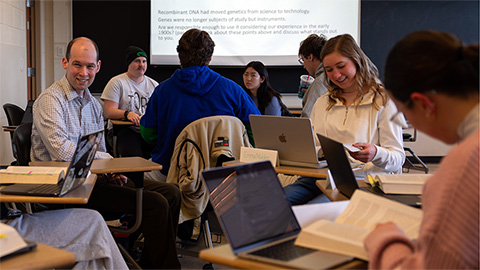
Redesigning with students in mind
Assistant professor reflects on how the shift to online teaching revealed gaps in points-based grading and led to a redesign centered on transparency and student growth.
Teaching beyond information transfer
Educator reflects on moving beyond lectures to create a biochemistry classroom centered on engagement, transparency and student ownership, showing how small shifts like “student hours” and active learning can transform understanding.
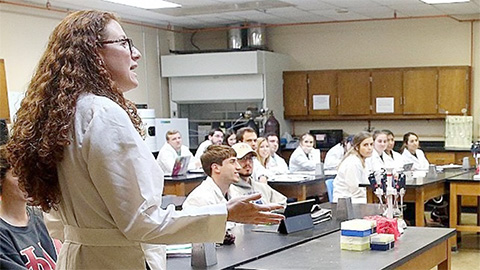
Mayday! Lessons from cellular dysfunction and group work dynamics
An upper-level biology course revealed that strong science doesn’t guarantee strong teamwork. One instructor shares how failed group dynamics reshaped their approach, leading to more structured, collaborative and effective student learning.