
A hero for me
When I was 8 years old, I was obsessed with dinosaurs, and I was determined to find a fossil in my backyard. I eventually found what I decided was a fossilized dinosaur egg. After weeks of telling me that it was just a rock, my parents took me to the Detroit Science Museum, where I learned that dinosaur fossils are absent from our area. While I was disappointed to discover that my “fossil” was just a rock, this experience helped me to realize what I wanted to be when I grew up — a scientist.
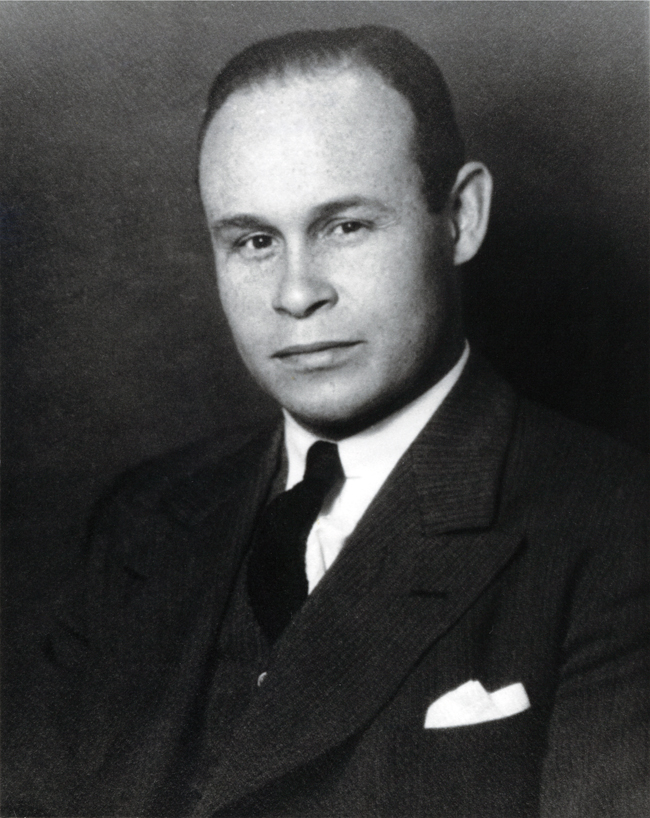 Portrait of Charles Drew. Credit: U.S. National Library of Medicine
My father decided that I needed a role model that I could look up to, so he started telling me stories about George Washington Carver and his work involving soybeans and peanuts. One day I asked him to tell me about other black scientists. My dad brought home a book on black inventors, doctors and scientists. On the nights when my dad could leave the factory early, we would read a story about one of these amazing people. If he couldn’t get home, and many nights he could not, I would read one of the stories on my own and tell him about it the next morning as he drove me to school.
I learned about Madam C.J. Walker and how she became the first black female millionaire due to her hair tonics and creams; Garret Morgan, who invented the modern traffic signal and the gas mask; and Daniel Hale Williams, who performed the first successful open-heart surgery.
However, my favorite was Charles Drew. His research in the field of blood transfusion resulted in improved techniques for blood storage and led to the development of blood banks that saved thousands of lives during World War II. It was at this point that I made the connection between science and medicine. I realized that Dr. Drew was a hero and that I could make a difference and help others through science.
I began to emulate him, and I even dressed up as him for Halloween one year. My father took to calling me Dr. Kemp and told me that if Dr. Drew could succeed while struggling against the bonds of racism and poverty in the Jim Crow era, then I too could succeed. He was right.
However, as I grew older and began to tackle the many obstacles in my way, it was not the memory of my childhood heroes that I called upon to motivate myself but the memories of my parents. What my father did not realize was that he did not need to look far to find me role models, because I had them all along in him and my mother.
Enjoy reading ASBMB Today?
Become a member to receive the print edition four times a year and the digital edition monthly.
Learn moreGet the latest from ASBMB Today
Enter your email address, and we’ll send you a weekly email with recent articles, interviews and more.
Latest in Opinions
Opinions highlights or most popular articles
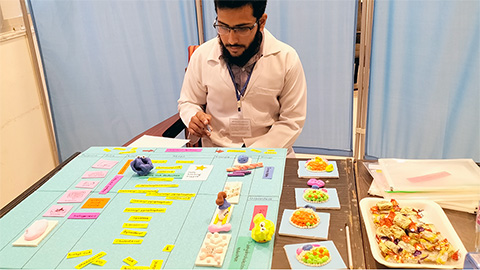
When biochemistry stopped being scary
Professor challenges the idea that biochemistry must feel abstract by designing hands-on models and games that turn fear into curiosity, transforming classrooms across Pakistan into spaces for experimentation and shared discovery.
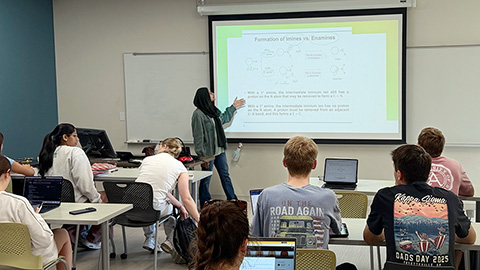
Listening first: The moment that reshaped my teaching
Educator recounts how a single student comment reshaped her teaching, leading her to replace lectures with question-driven, collaborative learning and rethink AI as a tool for deeper engagement and understanding.
Getting students excited about introductory biology
Assistant professor rethinks how he teaches foundational biology by flipping his classroom and using real-world case studies to help students connect molecular mechanisms to lived experiences.
Backward design and beyond: Lessons from a molecular genetics classroom
Associate professor reflects on an early teaching misstep and explains how backward design, clear learning objectives and reflective tools reshaped assessment, clarified expectations and helped students take ownership of their learning.
Women’s health cannot leave rare diseases behind
A physician living with lymphangioleiomyomatosis and a basic scientist explain why patient-driven, trial-ready research is essential to turning momentum into meaningful progress.
Making my spicy brain work for me
Researcher Reid Blanchett reflects on her journey navigating mental health struggles through graduate school. She found a new path in bioinformatics, proving that science can be flexible, forgiving and full of second chances.