
Farnham honored for leadership and pioneering work
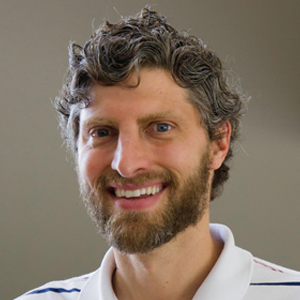
The American Society for Biochemistry and Molecular Biology has named Peggy Farnham, professor of biochemistry and molecular biology at the University of Southern California, the winner of the society’s 2012 Herbert A. Sober Lectureship.
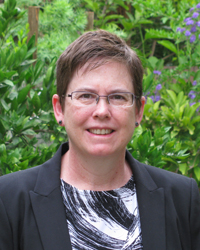
Peggy Farnham
About the award
The Herbert A. Sober Lectureship, issued every other year, recognizes outstanding biochemical and molecular biological research with particular emphasis on the development of methods and techniques to aid in research. The lectureship provides a plaque, a $3,000 purse, transportation, and expenses to present a lecture at the ASBMB annual meeting.
“Throughout my career, I have greatly enjoyed developing and refining protocols that enable new approaches for studying transcriptional regulation,” said Farnham. “I was incredibly excited to be chosen to give the Sober Lectureship and feel honored to be included with such a distinguished list of previous recipients.”
Farnham received the award for her extensive work analyzing transcriptional elements that are involved in regulation of cell-signaling pathways, developing new methodologies when current ones proved insufficient.
Barbara Graves, professor of oncological sciences at the University of Utah, credited Farnham’s “major leadership role in moving the vertebrate transcription field into the genomic era.”
Perhaps Farnham’s most significant accomplishment was the development of chromatin immunoprecipitation (ChIP) technology that allows for the genome-wide identification of transcription factor binding sites in mammalian cells, revolutionizing the field by applying protein biochemistry techniques to the study of gene expression.
In his award nomination letter, Michael Stallcup, chairman of the department of biochemistry and molecular biology at USC, hailed Farnham as “a pioneer in the development of methods used by investigators worldwide to understand how, when and where transcription factors bind to regulatory DNA sequences and how such interactions regulate the activity of genes.”
Thea Tlsty, professor of pathology at the University of California, San Francisco, concurred. “Farnham’s accomplishments in developing techniques to study molecular aspects of transcription and epigenetic regulation have pushed the barriers of current analysis and place her in a rare group of individuals that successfully create new paradigms in modern biology,” Tlsty said.
Farnham received her Ph.D. in molecular biophysics and biochemistry from Yale University in 1982 before accepting a postdoctoral fellowship at Stanford University. In 1987, she moved to the laboratory for cancer research at the University of Wisconsin, Madison. Returning to California, Farnham became the associate director of genomics in the Genome Center at the University of California, Davis, in 2005. In 2010, she moved to USC’s Norris Cancer Center.
Farnham will receive her award during the Experimental Biology 2012 conference in San Diego, where she will deliver an award lecture. The presentation will take place at 9 a.m. April 25 in the San Diego Convention Center.
Enjoy reading ASBMB Today?
Become a member to receive the print edition four times a year and the digital edition monthly.
Learn moreGet the latest from ASBMB Today
Enter your email address, and we’ll send you a weekly email with recent articles, interviews and more.
Latest in People
People highlights or most popular articles
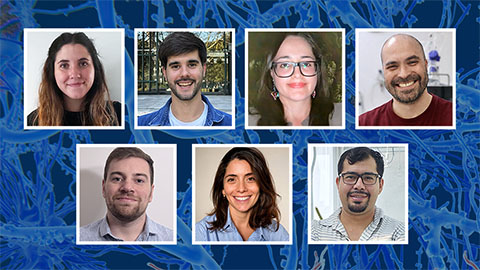
2026 PROLAB awardees announced
Each of the seven awardees will work in labs across Canada and the United States and will receive $7,000 to fund travel and living expenses.
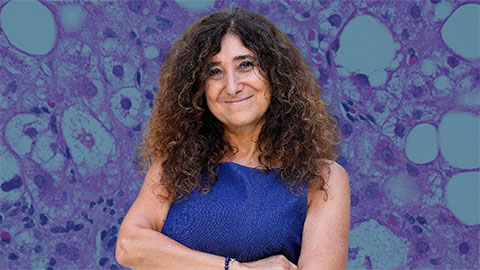
Uncovering the molecular roots of fatty liver disease
Physician–scientist Silvia Sookoian discusses her path from hepatitis C care to MASLD research, her use of multi-omics to study steatotic liver disease, and how lipid metabolism and genetics are reshaping understanding of MASH and liver health.
Kimble honored for lifetime achievement in genetics
She received the 2026 Thomas Hunt Morgan Medal and will be honored with a dedicated online profile and seminar.
Janetka named distinguished professor
Washington University awarded him the inaugural Carl Frieden Distinguished Professorship.
ASBMB members receive ASPET awards
The American Society for Pharmacology and Experimental Therapeutics awards Simone Brixius–Anderko, Paul Insel, Sudarshan Rajagopal, Emily Scott, Alan Smrcka and Jürgen Wess for their excellent research and mentoring work in pharmacology.
Kozul honored by Washington University
She received the 2025 Elliot L. Elson Education and Training Award.