
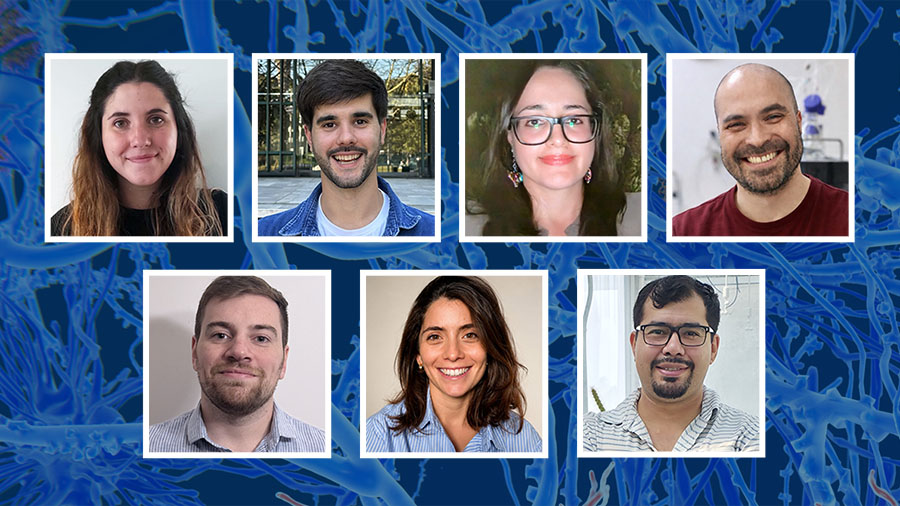
2026 PROLAB awardees announced
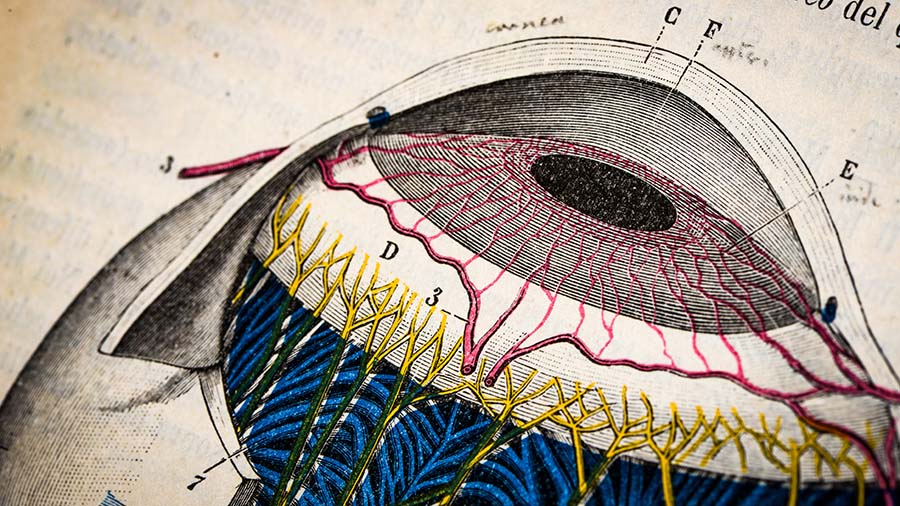
Glaucoma model links immune signaling to disease progression
News and Ideas
Upcoming opportunities
The ASBMB Annual Awards celebrate researchers, educators and leaders whose work advances science and strengthens the field through innovation, mentorship, teaching and service. 📅 Nominations close June 8.
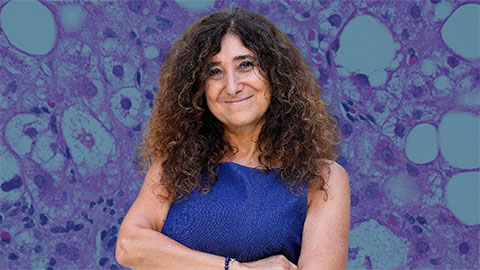
Uncovering the molecular roots of fatty liver disease
Physician–scientist Silvia Sookoian discusses her path from hepatitis C care to MASLD research, her use of multi-omics to study steatotic liver disease, and how lipid metabolism and genetics are reshaping understanding of MASH and liver health.
Kimble honored for lifetime achievement in genetics
She received the 2026 Thomas Hunt Morgan Medal and will be honored with a dedicated online profile and seminar.
Janetka named distinguished professor
Washington University awarded him the inaugural Carl Frieden Distinguished Professorship.
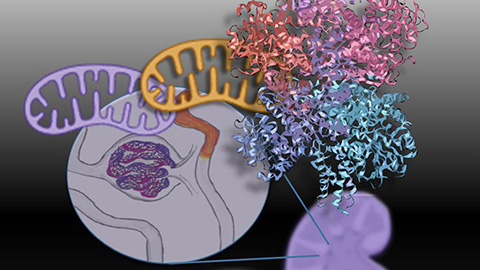
Mitochondria shape kidney cell function
Researchers at the University of Washington, Seattle present the first quantitative comparison of mitochondrial interactomes between two epithelial cell types in the kidney.
Lab coats and lounge chairs
ASBMB’s director of public affairs shares practical tips for talking about science outside the lab, from avoiding jargon to crafting an effective elevator pitch that builds curiosity and trust in scientific research.
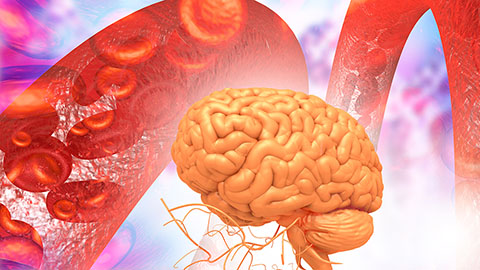
Long-chain polyunsaturated fatty acids linked to postoperative delirium risk
Researchers show that altered lipid metabolism may contribute to postoperative delirium, a condition linked to increased risk for long-term cognitive decline. The study explores potential disease mechanisms, which have yet to be understood.
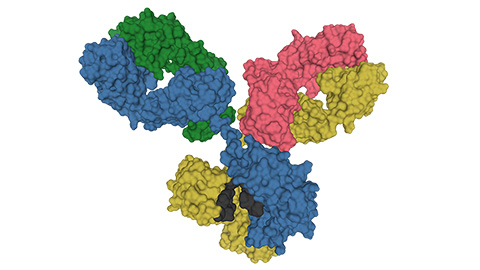
Glycosylation patterns across antibody isotypes distinguish tuberculosis states
Researchers at Taipei Medical University present the first site-specific glycosylation analysis of immunoglobulins in elderly tuberculosis patients.
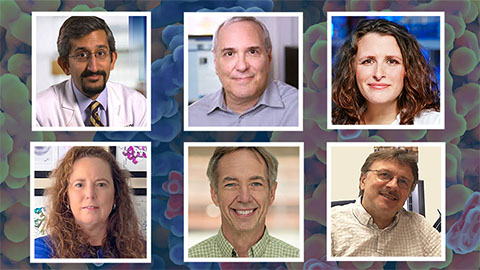
ASBMB members receive ASPET awards
The American Society for Pharmacology and Experimental Therapeutics awards Simone Brixius–Anderko, Paul Insel, Sudarshan Rajagopal, Emily Scott, Alan Smrcka and Jürgen Wess for their excellent research and mentoring work in pharmacology.
Meet Our Contributors
Jessica Desamero
Courtney Chandler
Poornima Sankar
Jay Thakkar
Beyond the bench: On a mission to build an inclusive scientific community
Benjamin Garcia will receive the ASBMB Ruth Kirschstein Diversity in Science Award at the ASBMB Annual meeting, April 12–15 in Chicago. Read More
Who decides when a grad student graduates?
Courtney Chandler
Careers Columnist
Ph.D. programs often don’t have a set timeline. Students continue with their research until their thesis is done, which is where variability comes into play. Read More
Quantifying how proteins in microbe and host interact
“To develop better vaccines, we need new methods and a better understanding of the antibody responses that develop in immune individuals,” author Johan Malmström said. Read More
Computational biosciences illuminate how molecular condensates form
Rohit Pappu will receive the 2025 DeLano Award for Computational Biosciences at the ASBMB Annual Meeting, April 12-15 in Chicago. Read More
Get the latest from ASBMB Today
Enter your email address, and we’ll send you a weekly email with recent articles, interviews and more.