
In memoriam: Joel Habener

Joel Habener, an endocrinologist who discovered glucagon-like peptide-1, or GLP-1, died on December 28, 2025, in Newton, Massachusetts. He was 88. He was a member of the American Society for Biochemistry and Biology for 25 years, and a Howard Hughes Medical Institute Investigator for 28 years.
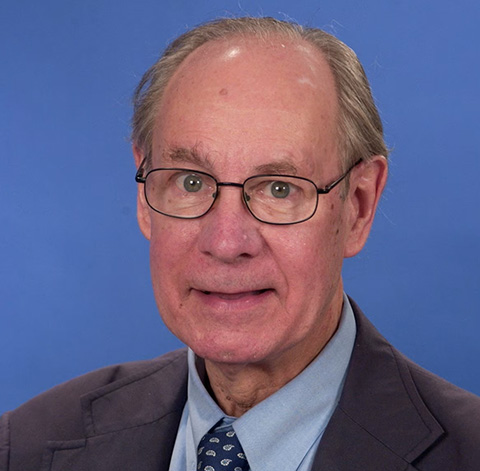
Born June 29, 1937, in Indianapolis, Habener earned a bachelor’s degree in chemistry from the University of Redlands in California and received his M.D from the David Geffen School of Medicine at UCLA. He eventually became a professor of medicine at Harvard Medical School and director of the Laboratory of Molecular Endocrinology at Massachusetts General Hospital in Boston.
In the 1980s at Mass General, Habener studied the molecular causes of type 2 diabetes and worked to identify the gene for the hormone glucagon, which raises blood sugar levels when they fall too low. He studied the processing of the glucagon protein precursor, using anglerfish pancreatic endocrine cell clusters, which produce glucagon. Upon isolating and analyzing cDNAs from these clusters, his team found that glucagon is a cleavage product of a precursor protein that also encoded a previously unknown peptide resembling glucagon, now known as the fish homolog of GLP-1.
Later, Habener and his colleagues demonstrated that the act of increasing GLP-1 could be used to treat type 2 diabetes. This work helped pave the way for GLP-1-based therapies that have transformed the treatment of conditions like diabetes and obesity. For his work on GLP-1, Habener won the 2020 Warren Alpert Foundation Prize, the 2021 Canada Gairdner International Award and the 2024 Lasker-DeBakey Clinical Medical Research Award. He was an elected fellow of the National Academy of Sciences in 2020.
Habener is survived by his brother, nephew, sister-in-law and brother-in-law.
Enjoy reading ASBMB Today?
Become a member to receive the print edition four times a year and the digital edition monthly.
Learn moreGet the latest from ASBMB Today
Enter your email address, and we’ll send you a weekly email with recent articles, interviews and more.
Latest in People
People highlights or most popular articles
de la Fuente honored for AI research
The award will support the development of an AI system called ApexMol, a 3D structure–informed, agentic large language model designed to create new biomolecules.
In memoriam: Peter Roepstorff
He was a leading researcher in biological mass spectrometry, mapped protein function in living organisms and was an ASBMB member for 19 years.
Flipping lipids and slime molds
A dull first job nearly pushed JBC associate editor Todd Graham out of science. Then a slime mold project changed his path. Now, he studies membrane biology and reflects on discovery, persistence and mentoring through uncertainty.
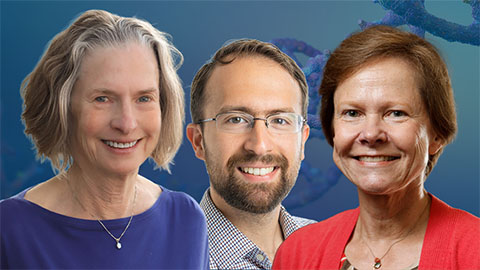
ASBMB members receive RNA Society awards
The RNA Society awards Brenda Bass, Can Cenik and Karin Musier–Forsyth for their achievements in RNA research and innovation. Winners will be recognized at the closing awards ceremony of the RNA 2026 annual meeting.
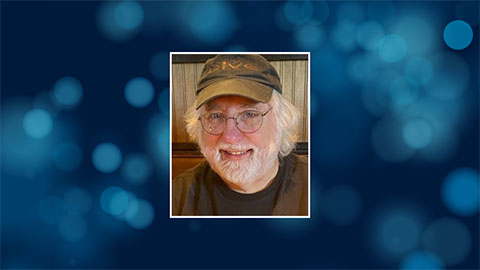
In memoriam: Richard L. Cross
He studied the enzymatic mechanisms of ATP synthase and served on the editorial board of the Journal of Biological Chemistry for 24 years.
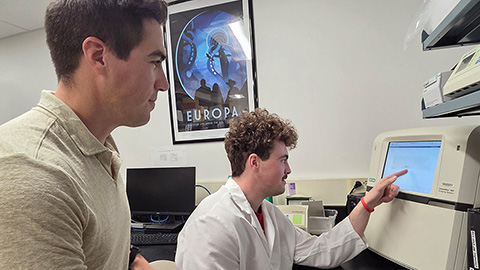
A chance encounter with the lab
Payton Stevens never planned to become a pancreatic cancer researcher. A temporary job set him on a path from rural Kentucky to leading research on Wnt signaling and metastasis, where he now pairs discovery with mentorship and science advocacy.