
ASBMB members receive RNA Society awards
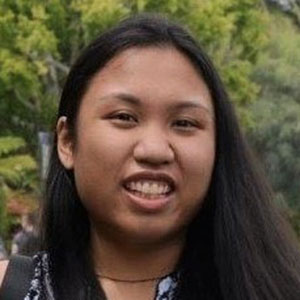
The RNA Society has announced the recipients of its 2026 awards, including American Society for Biochemistry and Molecular Biology members Brenda Bass, Can Cenik and Karin Musier–Forsyth. Winners will be recognized at the closing awards ceremony of the RNA 2026 annual meeting.
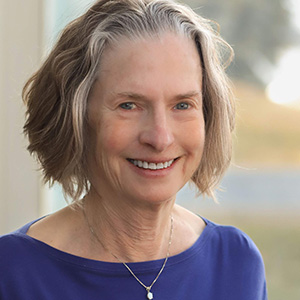
Bass, professor in biochemistry at the University of Utah School of Medicine, received the RNA Society Lifetime Achievement in Science award, which recognizes outstanding scientific accomplishments in RNA science over the duration of a career. Her lab investigates how cellular double-stranded RNAs, or dsRNAs, function and how these functions are mediated by proteins. As a postdoctoral fellow, she discovered an enzyme that covalently modified dsRNA, now called adenosine deaminase acting on RNA, or ADAR. As an independent principal investigator, she provided the first 3D structure of an ADAR, defined the substrate specificity of ADAR and identified natural ADAR substrates. She and others in the field ultimately established the biological relevance of editing. Bass is a member of the American Academy of Arts and Sciences and the National Academy of Sciences and a fellow of the American Association for the Advancement of Science. She previously received the National Institutes of Health 2011 Director’s Pioneer Award and 2020 Transformative Research Award and served as a member on NIH study sections and on the Board of Reviewing Editors for Science magazine. In 2007, she served as president of the RNA Society.
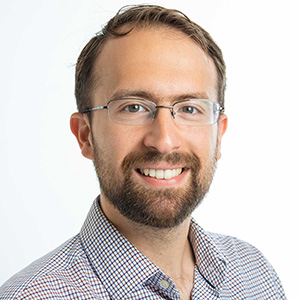
Cenik, associate professor in molecular biosciences at the University of Texas at Austin, received the Moderna Award for Biomedical Innovation in RNA. The award recognizes innovative or enabling contributions to the use or function of RNA in biomedicine, disease processes and treatments, and is presented to researchers in the first 10 years as independent scientists and includes a cash prize of $2500. His lab studies the molecular mechanisms that govern translation of specific RNAs, intending to build computational and experimental models that predict how proteins determine cellular protein abundance. The team developed a ribosome profiling approach for measuring translation in single cells and low-input samples across development, cancer and immunology. They also created RiboNN, a deep learning model that predicts translation efficiency from mRNA sequences across hundreds of cell types, and a translation efficiency covariation framework that reveals conserved regulation across mammalian tissues.

Musier–Forsyth, professor in chemistry and biochemistry, director of the RNA Center and co-director of an NIH T32 predoctoral training program at the Ohio State University, received the Distinguished Research Mentor award, which recognizes outstanding scientific mentorship in RNA research and includes a cash prize of $500. Her lab investigates RNAs and proteins involved in retroviral replication and the fidelity mechanisms that govern protein translation. She focuses on the editing mechanisms of aminoacyl-tRNA synthetases, which are enzymes in protein synthesis that attach the appropriate amino acids to their corresponding tRNAs. Musier–Forsyth was elected a fellow of the AAAS in 2009. She previously received the 1996 Camille Dreyfus Teacher–Scholar Award, the 2003 Pfizer Award in Enzyme Chemistry from the Biological Chemistry Division of the American Chemical Society and the 2014 William H. Kadel Alumni Medal for Outstanding Career Achievement from Eckerd College. She serves as an associate editor for the Journal of Biological Chemistry.
Enjoy reading ASBMB Today?
Become a member to receive the print edition four times a year and the digital edition monthly.
Learn moreGet the latest from ASBMB Today
Enter your email address, and we’ll send you a weekly email with recent articles, interviews and more.
Latest in People
People highlights or most popular articles
Kimble honored for lifetime achievement in genetics
She received the 2026 Thomas Hunt Morgan Medal and will be honored with a dedicated online profile and seminar.
Janetka named distinguished professor
Washington University awarded him the inaugural Carl Frieden Distinguished Professorship.
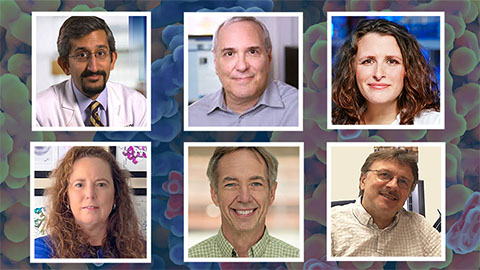
ASBMB members receive ASPET awards
The American Society for Pharmacology and Experimental Therapeutics awards Simone Brixius–Anderko, Paul Insel, Sudarshan Rajagopal, Emily Scott, Alan Smrcka and Jürgen Wess for their excellent research and mentoring work in pharmacology.
Kozul honored by Washington University
She received the 2025 Elliot L. Elson Education and Training Award.
de la Fuente honored for AI research
The award will support the development of an AI system called ApexMol, a 3D structure–informed, agentic large language model designed to create new biomolecules.
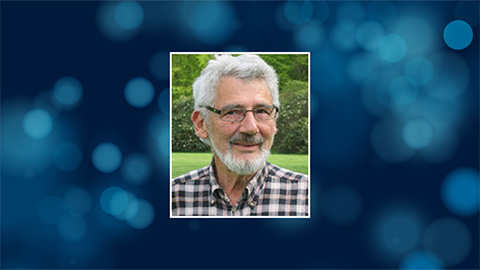
In memoriam: Peter Roepstorff
He was a leading researcher in biological mass spectrometry, mapped protein function in living organisms and was an ASBMB member for 19 years.