
In memoriam: Joel S. Bennett
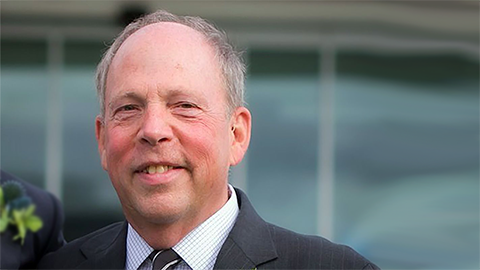
Joel S. Bennett, a blood researcher at the University of Pennsylvania, died June 21, of pancreatic cancer. He was 78.
Bennet was born in 1942 to Marvin and Rhoda Bennett and grew up in Southfield, Michigan. He graduated from the University of Michigan with a premed bachelor’s degree in 1963 and a medical degree from the University of Michigan Medical School in 1967.
After earning his M.D., Bennett went to University of Pennsylvania for a residency in internal medicine and a fellowship in hematology–oncology. Outside of briefly serving as a physician in the U.S. Air Force, Bennett remained a member of Penn’s medical and academic community for over 40 years.
Bennett’s research focused on understanding the biophysical and molecular interactions of tiny blood cells called platelets. He was the first to discover that a protein produced by the liver called fibrinogen binds platelets. This binding results in clumping and accumulation of platelets that is important for clotting and can play a role in heart attacks or strokes.
This discovery and Bennett’s other research into platelet biology contributed to the development of drugs that block platelet aggregation, commonly known as blood thinners. Today these drugs are critical to preventing blood clots in certain at-risk patients.
Bennett received various awards in recognition of his work, including the Ernest Beutler Prize from the American Society of Hematology, the society’s highest honor. He was also recognized by the Association of American Physicians and the American Society for Clinical Investigation.
According to an obituary in The Philadelphia Inquirer, Bennett is remembered by his colleagues for his scientific acumen, devotion to his patients and dedication as an educator.
Bennett is survived by his wife, Evelyn; three sons, Joe, David and Andrew Bennett; two daughters, Lisa Bennett and Lisa Dunn; a brother and sister; and nine grandchildren.
Enjoy reading ASBMB Today?
Become a member to receive the print edition four times a year and the digital edition monthly.
Learn moreGet the latest from ASBMB Today
Enter your email address, and we’ll send you a weekly email with recent articles, interviews and more.
Latest in People
People highlights or most popular articles
ASBMB members receive ASPET awards
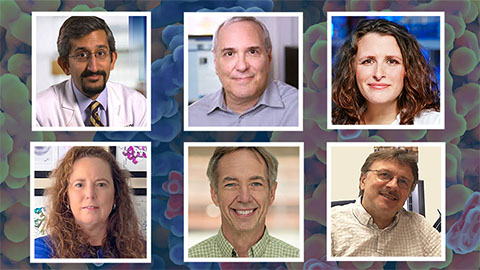
The American Society for Pharmacology and Experimental Therapeutics awards Simone Brixius–Anderko, Paul Insel, Sudarshan Rajagopal, Emily Scott, Alan Smrcka and Jürgen Wess for their excellent research and mentoring work in pharmacology.
Kozul honored by Washington University
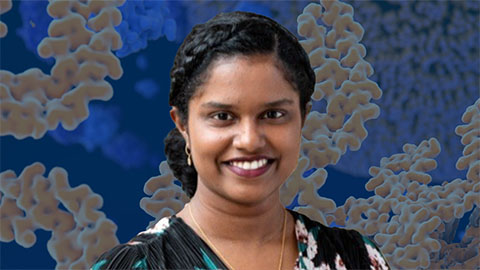
She received the 2025 Elliot L. Elson Education and Training Award.
de la Fuente honored for AI research
The award will support the development of an AI system called ApexMol, a 3D structure–informed, agentic large language model designed to create new biomolecules.
In memoriam: Peter Roepstorff
He was a leading researcher in biological mass spectrometry, mapped protein function in living organisms and was an ASBMB member for 19 years.
Flipping lipids and slime molds
A dull first job nearly pushed JBC associate editor Todd Graham out of science. Then a slime mold project changed his path. Now, he studies membrane biology and reflects on discovery, persistence and mentoring through uncertainty.
ASBMB members receive RNA Society awards
The RNA Society awards Brenda Bass, Can Cenik and Karin Musier–Forsyth for their achievements in RNA research and innovation. Winners will be recognized at the closing awards ceremony of the RNA 2026 annual meeting.