
Research administration: A career path uniquely fitted for Ph.D.s

As I was finishing graduate school, I became overwhelmed by the seemingly never-ending nature of research, so I decided that I didn’t want to continue to work in a lab. Instead, I wanted to use my scientific knowledge to help manage the research being done by others. That career field is called research administration. After nearly 15 years in the field, I have determined that it’s a perfect fit for Ph.D.s. who want to keep up with advances in science while moving the scientific enterprise forward through administration.

What is research administration, you ask? Great question. I didn’t know about this field as a graduate student and postdoc, so don’t stress if you are in the same boat. Big picture: Research administrators are liaisons among researchers, funding agencies, institutional leadership and external partners to ensure the smooth operation of the research enterprise.
Research administration careers are found in every facet of research. The job areas include:
- Grant development or management: Individuals in this area may identify funding opportunities, develop grant proposals, manage grant budgets or help researchers submit grants to funding agencies.
- Research compliance: Compliance officers work to ensure that research projects follow ethical standards, regulatory requirements and institutional policies. They help researchers gain approval for research involving human or animal subjects, and they then monitor that research.
- Research operations management: These individuals oversee and facilitate the day-to-day operations of research, especially at the level of departments or centers. Job functions may include managing and allocating resources, managing staff or addressing logistical issues.
- Technology transfer: These specialists help to commercialize research discoveries. This can include managing intellectual property, negotiating licensing agreements and facilitating collaborations with external entities.
This is not an exhaustive list, but I hope it gives you a general understanding of the research administration field. One important point is that individuals can move between research administration areas fairly easily. For example, I have worked in grant development/management and research operations over the years. To learn more about these types of jobs, I suggest you conduct some informational interviews with Ph.D.-level research administrators.
You can also check out organizations such as the National Council of University Research Administrators and the Society of Research Administrators International. They provide many educational opportunities to learn more about the field and invaluable opportunities to network with research administrators from around the world.
A terminal degree is not required and perhaps not even preferred for these types of jobs — so why are Ph.D.s the perfect fit for research administration jobs? Another great question. Ph.D.s bring unique and valuable skills to the table. They understand how research is done, can speak and understand the scientific language, understand research ethics and integrity, and have high-level problem-solving and critical-thinking skills. Coming into the field with these skills sets Ph.D.s apart from those who have not been graduate students in a lab.
In summary, many research administration jobs exist that uniquely match the skills possessed by Ph.D.s. So, if you are passionate about both science and administration, research administration may offer a dynamic and rewarding career path for you.
Enjoy reading ASBMB Today?
Become a member to receive the print edition four times a year and the digital edition monthly.
Learn moreFeatured jobs
from the ASBMB career center
Get the latest from ASBMB Today
Enter your email address, and we’ll send you a weekly email with recent articles, interviews and more.
Latest in Careers
Careers highlights or most popular articles
Upcoming opportunities
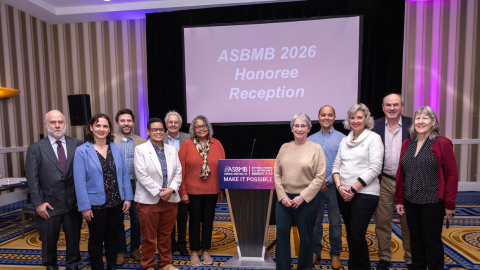
The ASBMB Annual Awards celebrate researchers, educators and leaders whose work advances science and strengthens the field through innovation, mentorship, teaching and service. 📅 Nominations close June 8.
Upcoming opportunities
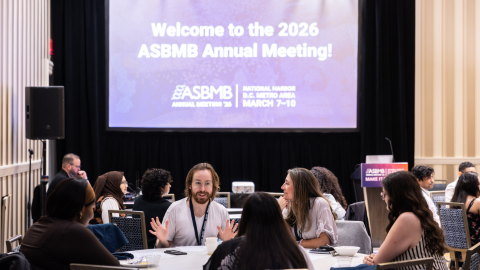
🗨️ Shape the conversation at ASBMB 2027 in Boston! ASBMB is seeking proposals for sessions and events that will foster collaboration, highlight exciting science and support career development across the molecular life sciences.
Upcoming opportunities
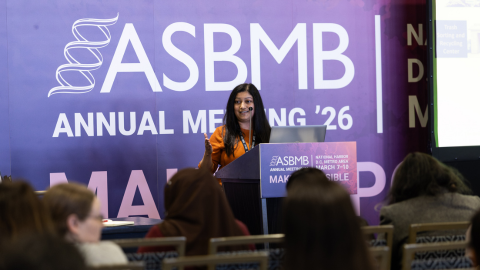
Registration is now open for this summer's Art of Science Communication course! Build your science communication skills in this 8-week online program. ➡️ Registration deadline: May 6.

Upcoming opportunities
The American Society for Biochemistry and Molecular Biology is accepting applications for the Marion B. Sewer Distinguished Scholarship for Undergraduates. Apply by April 30, 2026.
Designing scientific careers, not just experiments
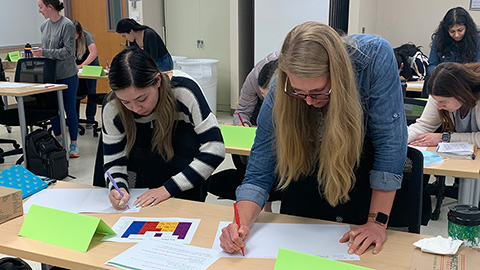
Universities are rethinking how they prepare scientists for careers beyond the bench. From myIDP to Vanderbilt’s Career Architect, programs help trainees clarify values, explore options and build intentional paths forward.
Upcoming opportunities
Dive into the world of lipids! Join the ASBMB Lipid Research Division Seminar Series on April 9, 12–1 p.m. ET to hear early-career researchers explore lipid metabolism and mitochondrial biology.