
By the numbers: Career prospects in the life sciences


Ph.D. outcomes by the numbers:
Career prospects in the life sciences
The first step after graduate school
The National Science Foundation administers the Survey of Earned Doctorates to degree recipients before they leave their universities. One line of inquiry in the survey is about post-graduation plans for employment. Among about 12,500 graduates in the life sciences in 2017, many had not made a definite commitment by the time they took the survey. Others had accepted job or postdoc offers. Here’s where.

Enjoy reading ASBMB Today?
Become a member to receive the print edition four times a year and the digital edition monthly.
Learn moreFeatured jobs
from the ASBMB career center
Get the latest from ASBMB Today
Enter your email address, and we’ll send you a weekly email with recent articles, interviews and more.
Latest in Careers
Careers highlights or most popular articles
Upcoming opportunities
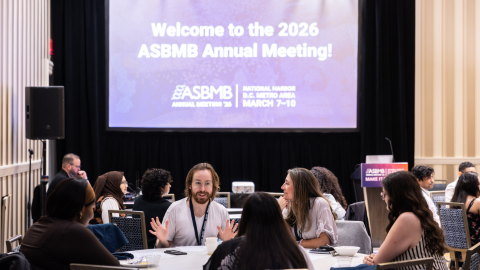
🗨️ Shape the conversation at ASBMB 2027 in Boston! ASBMB is seeking proposals for sessions and events that will foster collaboration, highlight exciting science and support career development across the molecular life sciences.
Upcoming opportunities
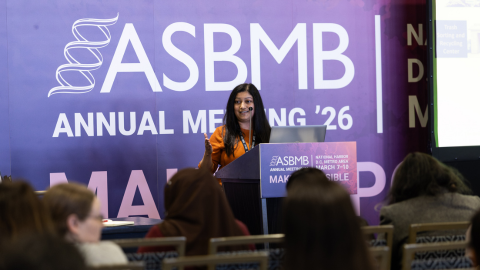
Registration is now open for this summer's Art of Science Communication course! Build your science communication skills in this 8-week online program. ➡️ Registration deadline: May 6.

Upcoming opportunities
The American Society for Biochemistry and Molecular Biology is accepting applications for the Marion B. Sewer Distinguished Scholarship for Undergraduates. Apply by April 30, 2026.
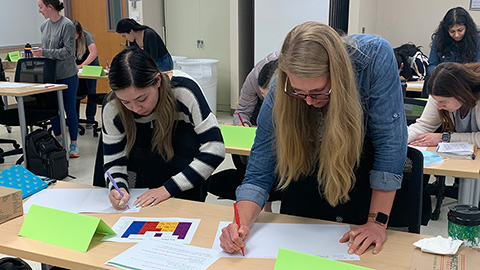
Designing scientific careers, not just experiments
Universities are rethinking how they prepare scientists for careers beyond the bench. From myIDP to Vanderbilt’s Career Architect, programs help trainees clarify values, explore options and build intentional paths forward.
Upcoming opportunities
Dive into the world of lipids! Join the ASBMB Lipid Research Division Seminar Series on April 9, 12–1 p.m. ET to hear early-career researchers explore lipid metabolism and mitochondrial biology.
Upcoming opportunities
For the summer 2026 ASBMB Today essay series, we invite scientists working in industry to share first-person reflections on their work. Submit your essay or pitch by April 15, 2026.