
'Hands down the most talented young investigator in lipid biology’

Tobias Walther, associate professor at the Yale School of Medicine, is the winner of the American Society of Biochemistry and Molecular Biology’s 2013 Walter A. Shaw Young Investigator Award in Lipid Research.
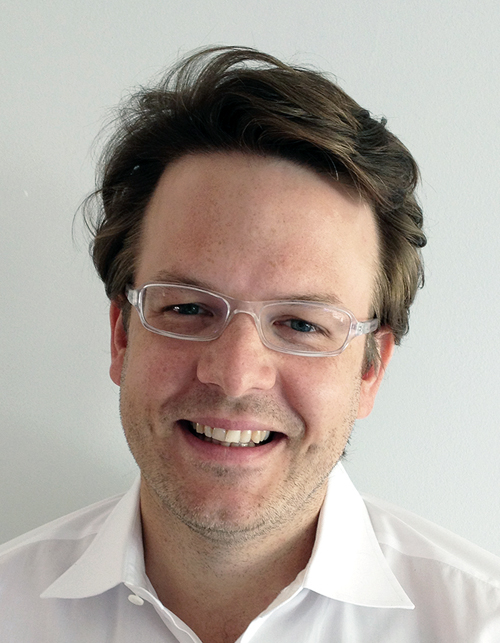
“I feel very honored and humbled by ASBMB rewarding our work on lipid homeostasis and storage with the Walter A. Shaw award. It is great to follow in the tradition of many excellent scientists, and I look forward to the discoveries to come.”
Throughout his career, Walther has worked on numerous cell biology problems, but a main focus is on cellular lipid droplets. His work on the subject has helped to propel lipid droplets into an important interest in cell biology with vast implications in multiple fields.
Together with his scientific partner, Robert Farese Jr. at the Gladstone Institutes and the University of California, San Francisco, Walther’s laboratory has been pioneering the domain. The team used a combination of systematic approaches, including RNAi screening, quantitative proteomics and cutting-edge microscopy to work out many mechanisms of LD formation and growth. One of his most recent achievements involved the use of proteomics data leading to the discovery of a feedback system that regulates phosphatidylcholine synthesis and LD growth.
Walther published his first paper as an exchange undergraduate student at the Southern Methodist University in Dallas. He obtained his Ph.D. in 2002 at the Ludwig-Maximilians University of Munich, working at the European Molecular Biology Laboratory, where he identified factors of nuclear pores assembly. He then joined the University of California at San Francisco for his postdoctoral training, during which time he studied plasma membrane organization and began his work on lipid droplets. From 2006 until 2010, he was group leader at the Max Planck Institute of Biochemistry in Martinsried, Germany.
Peter Espenshade, winner of the 2012 award, said in his nomination letter of Walther that in addition to Walther’s scientific contributions, “he has an amazing ability to effectively collaborate with others.” Farese said of Walther, “Put simply, I think he is an immensely talented scientist and hands down the most talented young investigator in lipid biology.”
Walther received his award and delivered an award lecture during the Experimental Biology 2013 conference in Boston.
Enjoy reading ASBMB Today?
Become a member to receive the print edition four times a year and the digital edition monthly.
Learn moreGet the latest from ASBMB Today
Enter your email address, and we’ll send you a weekly email with recent articles, interviews and more.
Latest in People
People highlights or most popular articles
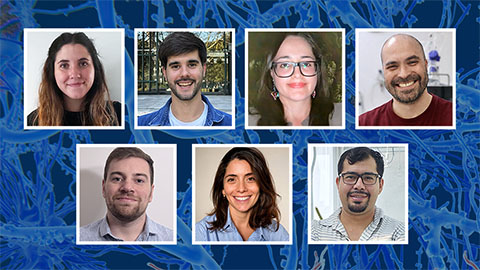
2026 PROLAB awardees announced
Each of the seven awardees will work in labs across Canada and the United States and will receive $7,000 to fund travel and living expenses.
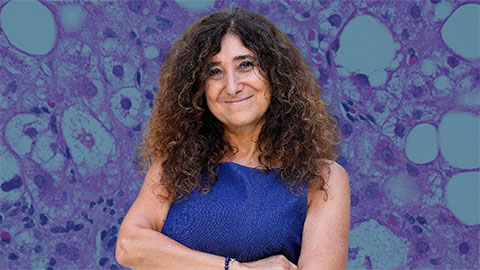
Uncovering the molecular roots of fatty liver disease
Physician–scientist Silvia Sookoian discusses her path from hepatitis C care to MASLD research, her use of multi-omics to study steatotic liver disease, and how lipid metabolism and genetics are reshaping understanding of MASH and liver health.
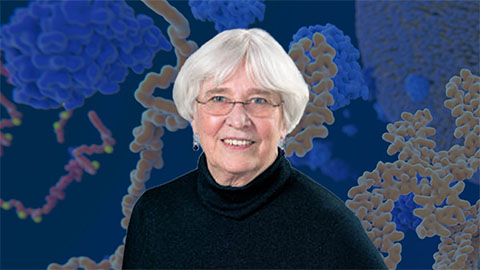
Kimble honored for lifetime achievement in genetics
She received the 2026 Thomas Hunt Morgan Medal and will be honored with a dedicated online profile and seminar.
Janetka named distinguished professor
Washington University awarded him the inaugural Carl Frieden Distinguished Professorship.
ASBMB members receive ASPET awards
The American Society for Pharmacology and Experimental Therapeutics awards Simone Brixius–Anderko, Paul Insel, Sudarshan Rajagopal, Emily Scott, Alan Smrcka and Jürgen Wess for their excellent research and mentoring work in pharmacology.
Kozul honored by Washington University
She received the 2025 Elliot L. Elson Education and Training Award.