
Phosphatases and pupils: A dual legacy

From his earliest experiments to his current lab at Yale University, Anton Bennett has followed his curiosity and a drive to understand how enzymes shape life. During his postdoctoral work, he began studying protein tyrosine phosphatases, or PTPs, a newly discovered class of proteins at the time. His research since then has illuminated key signaling pathways and identified potential therapeutic targets for fibrosis, diabetes and other metabolic diseases.
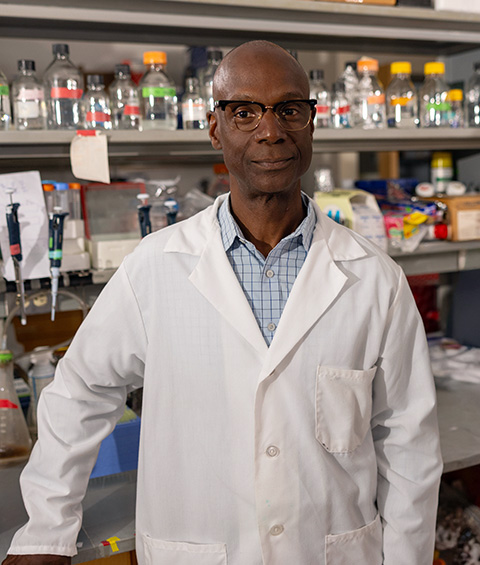
“That whole idea of being fascinated by new and emerging areas was very appealing to me, and I could see a long-term interest in becoming influential in that field by being part of that early crowd.”
At the same time, Bennett has built a second legacy: mentoring the next generation of scientists and opening doors for those historically excluded from research careers.
Curiosity leads to a career in cell signaling
During Bennett’s undergraduate years, he was chosen to work for a pharmaceutical company called Imperial Chemical Industries, now AstraZeneca, for one year as part of his academic program. He then received his undergraduate degree in biochemistry from Liverpool John Moore’s University in the United Kingdom.
Bennett moved to the United States to pursue a Ph.D. in pathology and experimental pathology at New York Medical College. His doctoral thesis research looked at how cancer-causing agents disrupt signals that regulate liver cell growth.
“At the time, this was an area that was linked to epigenetic mechanisms of how various chemicals induce liver cancer,” Bennett said. “And so, my project was trying to understand how those chemicals induced hepatocellular carcinoma by activating cell proliferation pathways in liver cells.”
Unraveling the mysteries of phosphatases
After obtaining his Ph.D., Bennett completed two postdoctoral fellowships: one at the Beth Israel Hospital and Harvard Medical School in Boston, in the lab of Benjamin Neel, and a second at Cold Spring Harbor Laboratory, in the lab of Nicholas Tonks. In both labs, his research focused on enzymes called protein tyrosine phosphatases, or PTPs, which, at the time, had recently been discovered.
“I worked in two seminal labs that were part of the discovery of some of these protein tyrosine phosphatases,” Bennett said.
Currently, Bennett is a professor at Yale University School of Medicine. His current research continues to focus on PTPs. One type of PTP that Bennett’s lab studies is mitogen-activated protein, or MAP, kinase phosphatases. Bennett’s lab is particularly interested in how these enzymes connect to various aspects of disease.
Bennett was especially intrigued by tyrosine phosphatases because they were relatively new and unexplored territory.
“I just got ever more fascinated by how these enzymes work, especially since they weren’t as heavily studied as their kinase counterparts,” Bennett said.
PTPs are enzymes that remove phosphate groups from tyrosine residues on proteins. Protein phosphorylation, or the addition of a phosphate group to a protein, is a common post-translational modification that can essentially regulate protein function and cell signaling. Therefore, maintaining levels of phosphorylation is crucial for biological processes to occur normally, and PTPs are one core way of doing so.
Fibrosis, metabolism and the search for new therapies
What made PTPs so fascinating, Bennett said, is their importance in regulating several key biological processes connected to diseases, such as tissue fibrosis.
Tissue fibrosis is a condition in which fibrous connective tissue develops as a response to injury or damage, which can eventually lead to a loss of organ function. Bennett’s lab found that MAP kinase phosphatase-5, or MKP-5, is linked to tissue fibrosis. More specifically, they saw that inhibiting MKP-5 blocks the development of skeletal muscle fibrosis.
“We knew that they were going to be important because they constituted an important regulatory mechanism of control on processes that were already established to be important for the tyrosine kinases, such as cell proliferation and cell growth.”
Almost 45% of deaths worldwide are linked to some aspect of tissue fibrosis. Bennett’s lab has been able to identify small molecule inhibitors of MKP-5 that have the potential to be developed towards therapeutics against various diseases linked to subtypes of tissue fibrosis, such as lung fibrosis, liver fibrosis and muscle fibrosis.
Bennett’s lab is also interested in how PTPs control metabolism. Because cellular metabolism regulates body mass, its disruption can lead to disease.
“We're very interested in trying to understand how these MAP kinase phosphatases control cellular metabolism, which can give us some insight into how they're potentially involved in pathways that link metabolic dysfunction, again with the idea of identifying new ways in which to modulate these enzymes for potential therapies down the road,” Bennett said. So far, their lab has found that disrupting some types of MAP kinase phosphatases affects obesity and type 2 diabetes.
Championing mentorship and inclusion
Bennett strongly believes in promoting underrepresented groups in the biological sciences. He is currently a member of the American Society for Biochemistry and Molecular Biology Maximizing Access Committee and the director of Collaborative Excellence for Yale’s combined Ph.D. program in biological and biomedical sciences, or BBS program.
For 13 years as director, Bennett has promoted initiatives to recruit students from diverse backgrounds. Bennett and his team have successfully promoted a very diverse BBS program. In fact, 23% of 2025 matriculants in this program have identified as coming from an underrepresented background, which is twice the national median of 10%. They have achieved this mainly by attending various events involved in recruitment. Examples of events include the annual conference of the Society for Advancement of Chicanos/Hispanics & Native Americans in Science, as well as the Annual Biomedical Research Conference for Minoritized Scientists.
Bennett continues to be enthusiastic about his research, but mentoring students is equally rewarding for him.
“I'm very much driven by scientific discovery … Continued passion as it relates to scientific discovery is something that really keeps me going,” Bennett said.
“Interacting with students and other trainees at all levels actually is always a very fulfilling aspect of what we do as well.” With his dual legacy, Bennett will help push the academic field forward.
Enjoy reading ASBMB Today?
Become a member to receive the print edition four times a year and the digital edition monthly.
Learn moreGet the latest from ASBMB Today
Enter your email address, and we’ll send you a weekly email with recent articles, interviews and more.
Latest in People
People highlights or most popular articles
de la Fuente honored for AI research
The award will support the development of an AI system called ApexMol, a 3D structure–informed, agentic large language model designed to create new biomolecules.
In memoriam: Peter Roepstorff
He was a leading researcher in biological mass spectrometry, mapped protein function in living organisms and was an ASBMB member for 19 years.
Flipping lipids and slime molds
A dull first job nearly pushed JBC associate editor Todd Graham out of science. Then a slime mold project changed his path. Now, he studies membrane biology and reflects on discovery, persistence and mentoring through uncertainty.
ASBMB members receive RNA Society awards
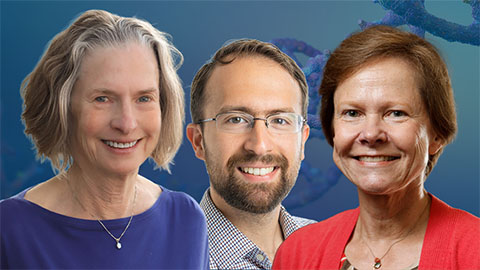
The RNA Society awards Brenda Bass, Can Cenik and Karin Musier–Forsyth for their achievements in RNA research and innovation. Winners will be recognized at the closing awards ceremony of the RNA 2026 annual meeting.
In memoriam: Richard L. Cross
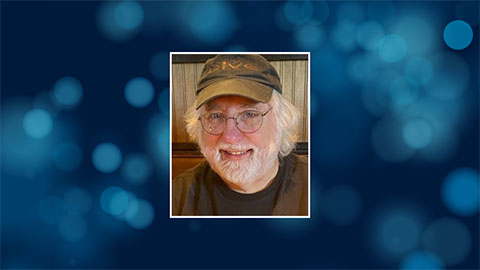
He studied the enzymatic mechanisms of ATP synthase and served on the editorial board of the Journal of Biological Chemistry for 24 years.
A chance encounter with the lab
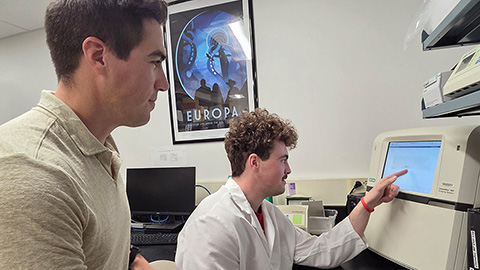
Payton Stevens never planned to become a pancreatic cancer researcher. A temporary job set him on a path from rural Kentucky to leading research on Wnt signaling and metastasis, where he now pairs discovery with mentorship and science advocacy.