
Remembering Earl Mitchell

Earl Mitchell Jr., Oklahoma State University’s first Black tenured professor, died June 2 at age 83. He had pancreatic cancer.
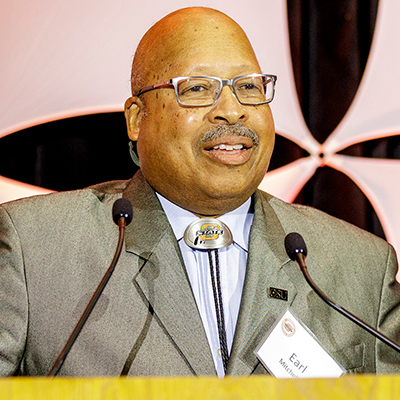
Born May 16, 1938, in New Orleans to Earl Mitchell Sr. and Mary Duncan-Mitchell, Mitchell took an early interest in science. He earned a bachelor’s degree at Xavier University and a Ph.D. in biochemistry from Michigan State University.
Mitchell joined the Oklahoma State staff as a research associate in the biochemistry and molecular biology department in 1967, became the university’s first Black tenure-track faculty member in 1969 and received tenure in 1982. He went on to lead the biochemistry department and served as assistant dean of the graduate college and associate vice president for multicultural affairs. He retired from OSU in February 2009.
Mitchell’s research focused on metabolic enzymes in plants, especially crops. He developed approaches for culturing cotton cells in vitro; investigated how mevalonic acid metabolism, a precursor to many plant-specific natural products, differs between chloroplast and cytoplasm; and isolated amylases, sugar breakdown enzymes, from bacteria and malted barley.
At OSU, Mitchell was a leader in the fight for diversity and inclusion, known for his advocacy for underrepresented students. Jason Kirksey, OSU’s vice president for institutional diversity, said in an article in The O’Colley, “Students were able to see themselves in him. He was the success story and was able to communicate the importance of so many things, just by having a conversation.”
Mitchell married his high school sweetheart, Bernice Compton, in 1959, and she died less than a month before he did. According to a family obituary, the couple “worked diligently to weave a network, a tapestry, sewn with the fabric of equality and celebration of culture.”
Mitchell is survived by his three children, six grandchildren and one great-grandchild.
Enjoy reading ASBMB Today?
Become a member to receive the print edition four times a year and the digital edition monthly.
Learn moreGet the latest from ASBMB Today
Enter your email address, and we’ll send you a weekly email with recent articles, interviews and more.
Latest in People
People highlights or most popular articles
Kimble honored for lifetime achievement in genetics
She received the 2026 Thomas Hunt Morgan Medal and will be honored with a dedicated online profile and seminar.
Janetka named distinguished professor
Washington University awarded him the inaugural Carl Frieden Distinguished Professorship.
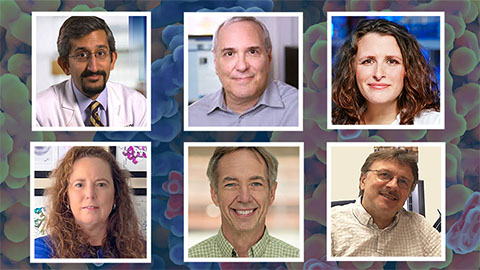
ASBMB members receive ASPET awards
The American Society for Pharmacology and Experimental Therapeutics awards Simone Brixius–Anderko, Paul Insel, Sudarshan Rajagopal, Emily Scott, Alan Smrcka and Jürgen Wess for their excellent research and mentoring work in pharmacology.
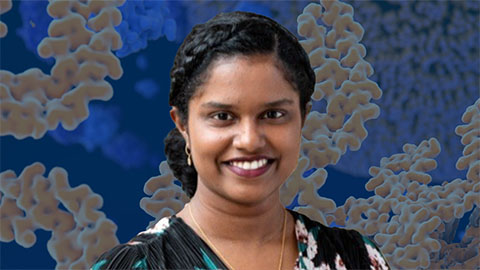
Kozul honored by Washington University
She received the 2025 Elliot L. Elson Education and Training Award.
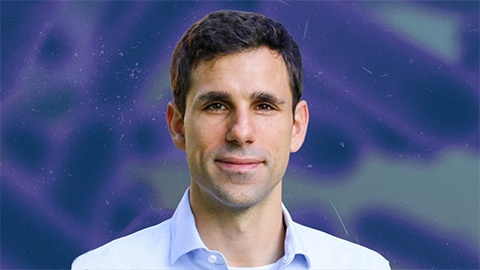
de la Fuente honored for AI research
The award will support the development of an AI system called ApexMol, a 3D structure–informed, agentic large language model designed to create new biomolecules.
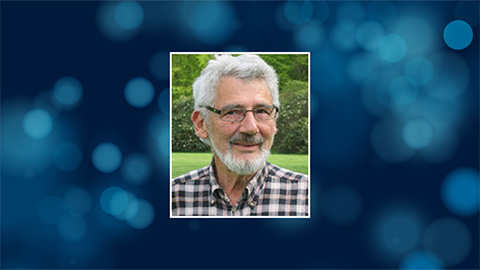
In memoriam: Peter Roepstorff
He was a leading researcher in biological mass spectrometry, mapped protein function in living organisms and was an ASBMB member for 19 years.