
The timekeepers of proteostasis

Aging is often described in years, wrinkles or milestones, but at its core, it unfolds at the molecular level. This process is the focus of the latest issue of ASBMB Today.
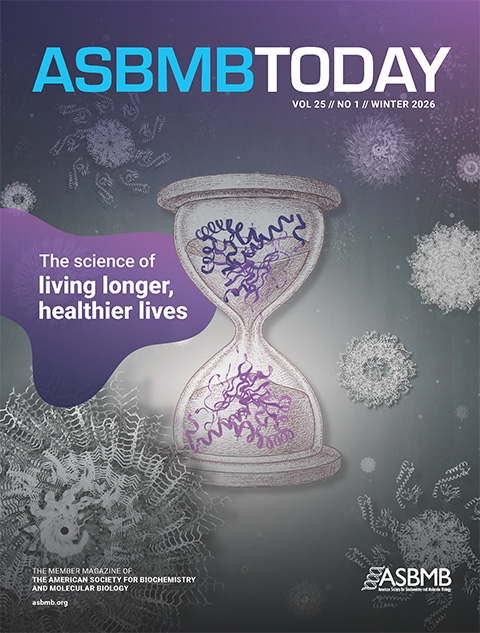
Proteins, the molecular machines that build, repair and regulate our cells, play a major role in how time leaves its mark on the body. Their ability to fold correctly, remain stable and be repaired or removed when damaged is a defining feature of healthy aging.
As cells age, this finely tuned system, known as proteostasis, begins to falter. Proteins may misfold, clump together or overwhelm cellular quality-control systems. These breakdowns are strongly linked to neurodegenerative diseases such as Alzheimer’s, Parkinson’s and Huntington’s disease, where protein aggregation disrupts normal cellular function and ultimately leads to cell death.
Heat shock proteins, or HSPs, sit at the heart of this balance. Acting as molecular chaperones, proteins such as Hsp70 and Hsp90 help newly made proteins fold properly, refold damaged ones and escort irreversibly misfolded proteins to degradation pathways. In young, healthy cells, heat shock proteins are highly responsive and adaptive. With age, however, their efficiency and regulation can decline, leaving cells more vulnerable to stress and degeneration.
The latest issue of ASBMB Today features a cover illustration by American Society for Biochemistry and Molecular Biology member Megan Mitchem, titled “The Timekeepers of Proteostasis,” exploring this process.
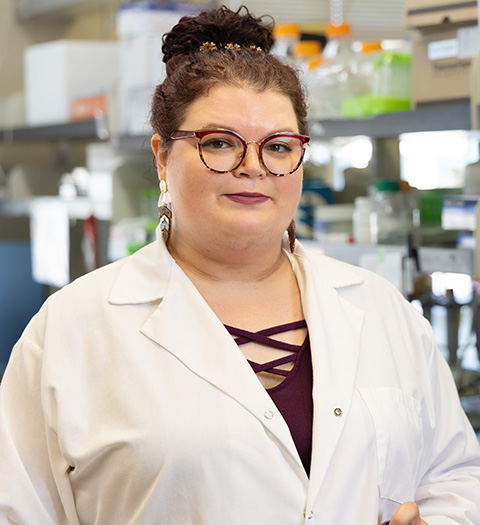
“Proteins shape the passage of time in this molecular hourglass. Just like snowflakes, each protein is highly unique,” Mitchem said. “Each flake here is formed by radial projections of proteins that play a role in aging and neurodegeneration (or regeneration), including TDP-43, α-synuclein, Huntingtin, Hsp70 and Hsp90, reflecting the delicate balance between proteostasis and degeneration.”
Mitchem is currently a doctoral student at the University of North Carolina at Charlotte.
The science of aging will also be featured as a deep dive topic at the 2026 ASBMB Annual Meeting, including a talk by Meng Wang on her research into the biochemistry of longevity.
Read the full winter issue of ASBMB Today.
Enjoy reading ASBMB Today?
Become a member to receive the print edition four times a year and the digital edition monthly.
Learn moreGet the latest from ASBMB Today
Enter your email address, and we’ll send you a weekly email with recent articles, interviews and more.
Latest in People
People highlights or most popular articles
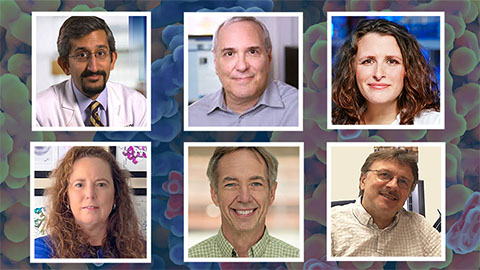
ASBMB members receive ASPET awards
The American Society for Pharmacology and Experimental Therapeutics awards Simone Brixius–Anderko, Paul Insel, Sudarshan Rajagopal, Emily Scott, Alan Smrcka and Jürgen Wess for their excellent research and mentoring work in pharmacology.
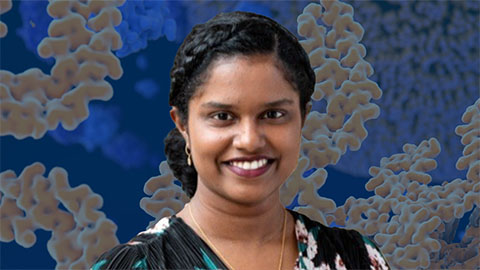
Kozul honored by Washington University
She received the 2025 Elliot L. Elson Education and Training Award.
de la Fuente honored for AI research
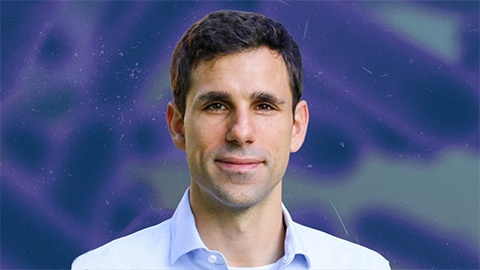
The award will support the development of an AI system called ApexMol, a 3D structure–informed, agentic large language model designed to create new biomolecules.
In memoriam: Peter Roepstorff
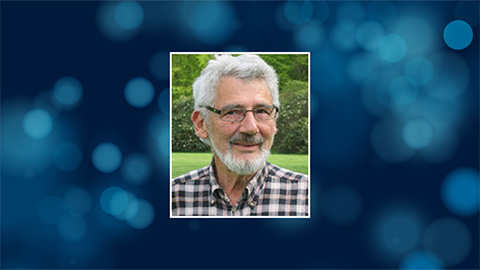
He was a leading researcher in biological mass spectrometry, mapped protein function in living organisms and was an ASBMB member for 19 years.
Flipping lipids and slime molds
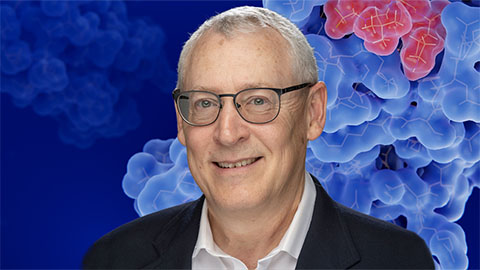
A dull first job nearly pushed JBC associate editor Todd Graham out of science. Then a slime mold project changed his path. Now, he studies membrane biology and reflects on discovery, persistence and mentoring through uncertainty.
ASBMB members receive RNA Society awards
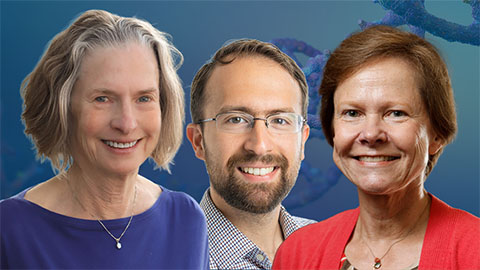
The RNA Society awards Brenda Bass, Can Cenik and Karin Musier–Forsyth for their achievements in RNA research and innovation. Winners will be recognized at the closing awards ceremony of the RNA 2026 annual meeting.