
Truttmann recognized for cell stress research
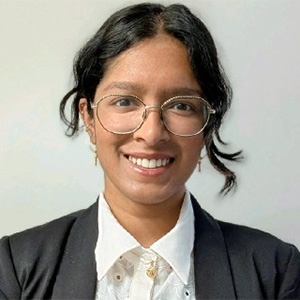
Matthias C Truttmann, assistant professor of molecular and integrative physiology at the University of Michigan, has received the 2025 Ferruccio Ritossa Research Scholar Award from the Cell Stress Society International, or CSSI. This award recognizes early- to mid-career scientists whose work exemplifies the pioneering spirit of Ferruccio Ritossa, who discovered the heat shock response in the early 1960s, a fundamental mechanism by which cells adapt to stress. Truttmann was honored and delivered remarks at the CSSI annual meeting in October.
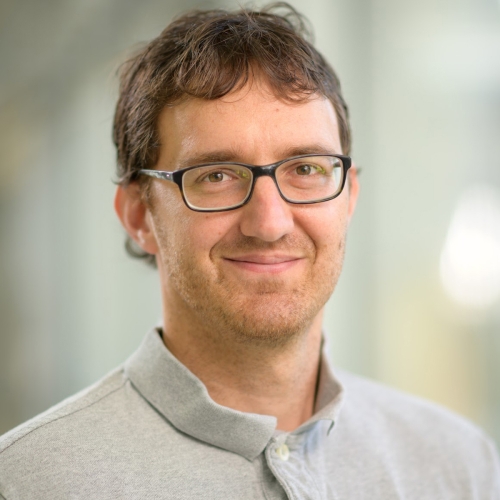
Truttmann's research focuses on the regulation of protein quality control mechanisms, particularly the role of heat shock protein 70, or Hsp70, family chaperones. His lab investigates how posttranslational modifications of Hsp70 proteins influence their function in maintaining proteostasis, with implications for aging and age-related diseases, including neurodegenerative and cardiovascular disorders. By using a multidisciplinary approach that includes molecular biology, genetics, neuroscience and biochemistry, Truttmann's team aims to uncover and exploit novel therapeutic targets for these conditions.
He earned his Ph.D. in infection biology from the Biozentrum University of Basel, Switzerland, and completed postdoctoral work at the Whitehead Institute for Biomedical Research, Massachusetts Institute of Technology and Boston Children’s Hospital. He has received many awards, including the U-M Innovative Multidisciplinary Research Pilot Award and U-M Drug Discovery Award, which both recognized his innovative work in proteostasis and stress biology.
According to the CSSI announcement, Truttmann’s work “advances our understanding of Hsp70 chaperone regulation and its role in proteostasis,” continuing Ritossa’s legacy by linking molecular chaperone biology to human health.
Enjoy reading ASBMB Today?
Become a member to receive the print edition four times a year and the digital edition monthly.
Learn moreGet the latest from ASBMB Today
Enter your email address, and we’ll send you a weekly email with recent articles, interviews and more.
Latest in People
People highlights or most popular articles
Flipping lipids and slime molds
A dull first job nearly pushed JBC associate editor Todd Graham out of science. Then a slime mold project changed his path. Now, he studies membrane biology and reflects on discovery, persistence and mentoring through uncertainty.
ASBMB members receive RNA Society awards
The RNA Society awards Brenda Bass, Can Cenik and Karin Musier–Forsyth for their achievements in RNA research and innovation. Winners will be recognized at the closing awards ceremony of the RNA 2026 annual meeting.
In memoriam: Richard L. Cross
He studied the enzymatic mechanisms of ATP synthase and served on the editorial board of the Journal of Biological Chemistry for 24 years.
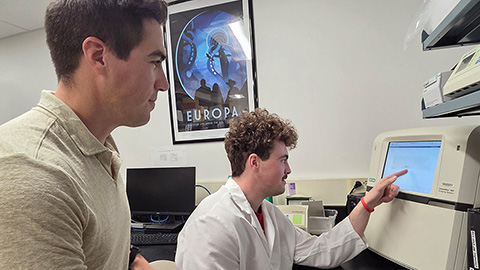
A chance encounter with the lab
Payton Stevens never planned to become a pancreatic cancer researcher. A temporary job set him on a path from rural Kentucky to leading research on Wnt signaling and metastasis, where he now pairs discovery with mentorship and science advocacy.
Piehl promoted to associate professor
He plans to develop a first-year chemistry lab program designed to help students build essential laboratory skills and connect core chemical concepts with real-world challenges.
In memoriam: Susan A. Henry
She was a pioneer in the study of yeast genetics and lipid metabolism and was an editorial board member of the Journal of Biological Chemistry.