
In memoriam: Sorina Popescu

Sorina Popescu, a plant biologist and biochemist, died Dec. 19 in Starkville, Mississippi. She was 53. In the last year of her life, while battling breast cancer, she saw six of her research studies published, attended her daughter’s wedding, learned of her son’s acceptance to Duke University and visited her native Romania.
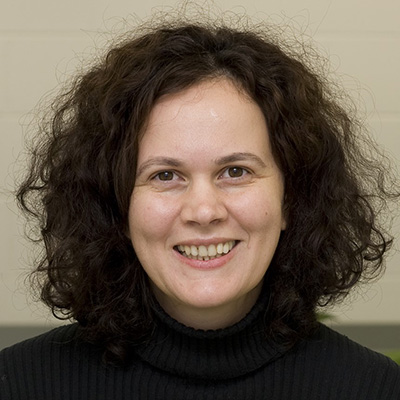
Popescu was born March 4, 1969, in Brasov to Lazar and Elisabeta Cristea. She earned a master’s degree in biology at the University of Bucharest, where she met her future husband, George Popescu, a physics and engineering student. The two joined marches for freedom as the 1989 Romanian Revolution erupted.
In 1995, Sorina gave birth to their daughter, Medeea, before the Popescus left for the United States. She earned a Ph.D in plant molecular biology at Rutgers University in 2003 and then conducted postdoctoral research on calcium signaling and MAPK signaling networks in plants at Yale University. A second child, Nicholas, was born in 2005.
In 2008, Popescu secured a faculty job at the Boyce Thompson Institute for Plant Science at Cornell University where she co-directed two National Science Foundation studies on plant disease resistance and signaling networks. After seven years in Ithaca, the Popescus moved to Mississippi State University. Here she taught general biochemistry and created graduate cellular signaling and plant biochemistry and molecular biology courses. She directed NSF Rules of Life studies on plant proteomics and redox signaling and launched new research on microbial communities and plant–pathogen relationships.
Among Popescu’s last studies were several melding science and agriculture on topics ranging from crop stress resistance to plant root microbial community control. Key discoveries on thimet oligopeptidases, or TOP, control of redox waves in systemic acquired immunity and TOP immunoregulatory activity in effector-triggered immunity are awaiting publications.
Popescu enjoyed hiking, biking and cross-country skiing with her family. She is survived by her husband, George; children, Medeea and Nicholas; her mother, Elizabeta Cristea; and her sister, Luminita.
Enjoy reading ASBMB Today?
Become a member to receive the print edition four times a year and the digital edition monthly.
Learn moreGet the latest from ASBMB Today
Enter your email address, and we’ll send you a weekly email with recent articles, interviews and more.
Latest in People
People highlights or most popular articles
Uncovering the molecular roots of fatty liver disease
Physician–scientist Silvia Sookoian discusses her path from hepatitis C care to MASLD research, her use of multi-omics to study steatotic liver disease, and how lipid metabolism and genetics are reshaping understanding of MASH and liver health.
Kimble honored for lifetime achievement in genetics
She received the 2026 Thomas Hunt Morgan Medal and will be honored with a dedicated online profile and seminar.
Janetka named distinguished professor
Washington University awarded him the inaugural Carl Frieden Distinguished Professorship.
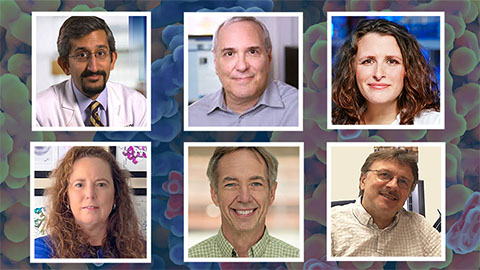
ASBMB members receive ASPET awards
The American Society for Pharmacology and Experimental Therapeutics awards Simone Brixius–Anderko, Paul Insel, Sudarshan Rajagopal, Emily Scott, Alan Smrcka and Jürgen Wess for their excellent research and mentoring work in pharmacology.
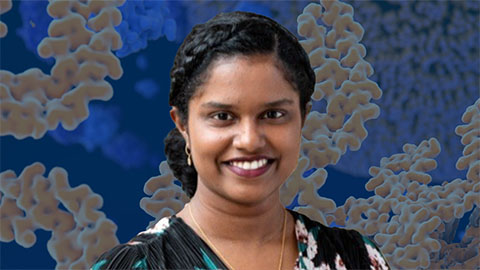
Kozul honored by Washington University
She received the 2025 Elliot L. Elson Education and Training Award.
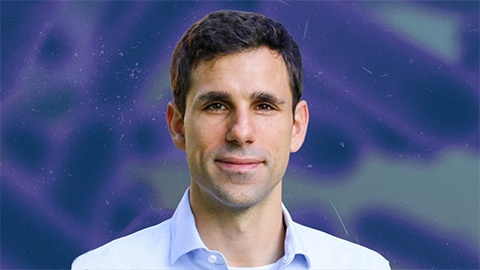
de la Fuente honored for AI research
The award will support the development of an AI system called ApexMol, a 3D structure–informed, agentic large language model designed to create new biomolecules.