
ASBMB to combine Regular and Industry member types

In August, the American Society for Biochemistry and Molecular Biology Council approved two changes to ASBMB’s membership structure. Both were initiated by proposals brought to Council by the Membership Committee, with ASBMB’s new strategic plan serving as a guide. These changes aim to support ASBMB’s mission of building a broad community of molecular life scientists.
The first change combines the Regular and Industry membership types into a single category called Professional membership. Introduced in 2019, the Industry membership offered the same benefits and dues as Regular membership. However, unlike Regular membership, traditionally intended for professors in academia, Industry membership was directed toward members working in biotech and pharma.
Although the original intent of Industry membership was to signal that ASBMB welcomes members from industry, the Membership Committee felt that separating members by sector could create barriers to community building and innovation.
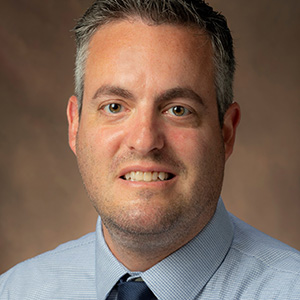
“There’s so much scientific exchange that happens between researchers in industry and academia,” Membership Committee Chair Rick Page said. “At the end of the day, scientists from both sectors have more in common than not, including a dedication to advancing discovery, mentoring the next generation and contributing to the community.”
The newly created Professional member type will offer all of the current benefits of Regular and Industry membership, including eligibility for serving in volunteer leadership roles, nominating colleagues for awards and receiving discounted annual meeting registration and publication fees.
The second change establishes a mechanism for offering discounted membership dues rates for scientists from lower-income nations. Eligible scientists may receive up to a 75% discount, depending on their nation’s income category as defined by the World Bank.
“This change recognizes that science is a global enterprise, removing barriers to participation for our colleagues worldwide,” Page said. ASBMB members from eligible nations will also be eligible for discounts on annual meeting registration.

“Big problems – from curing diseases to advancing fundamental knowledge, demand Bold thinking, creativity and agility,” ASBMB President Joan Conaway said. “Breakthroughs can come from any scientist, anywhere, and we hope these changes will lower barriers to collaboration, helping molecular life scientists connect and drive progress together.”
Both changes will take effect for the 2026 membership year. Read more about this and other updates in the August Council Roundup.
Enjoy reading ASBMB Today?
Become a member to receive the print edition four times a year and the digital edition monthly.
Learn moreGet the latest from ASBMB Today
Enter your email address, and we’ll send you a weekly email with recent articles, interviews and more.
Latest in Society news
Society news highlights or most popular articles
ASBMB’s JBC expands scientific scope
JBC is broadening its scope to include rigorous studies that offer conceptual advances, enabling methods and foundational insight, while maintaining its longstanding emphasis on mechanistic rigor, transparency and reproducibility.
ASBMB Council roundup: March 2026
They discussed strategic priorities across meetings, finances, awards, advocacy and publishing, noting meeting participation, efforts to improve financial stability, updates to awards and plans to strengthen professional development and journals.
ASBMB Council roundup: December 2025
They discussed the 2026 budget and strategic investments, publishing and meeting plans, advocacy efforts and professional development, while advancing action plans to implement ASBMB’s strategic priorities and support early-career scientists.
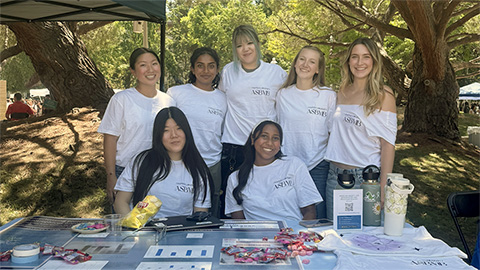
ASBMB recognizes Chapman as 2026 outstanding student chapter
The group, led by Cedric Owens, is being honored for its commitment to scientific engagement, mentorship and community building, creating meaningful opportunities for students in biochemistry and molecular biology.
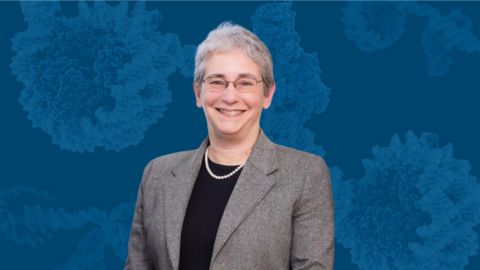
Reflecting on science, learning and leadership
ASBMB President Joan Conaway reflects on her term, celebrating the society’s resilience, advocacy, journal growth and commitment to education, while looking ahead to a vibrant future under incoming president Ed Eisenstein.

2026 ASBMB election results
Meet the new Council members and Nominating Committee member.