
Cotruvo named Blavatnik award finalist
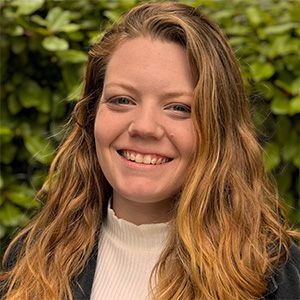
For the second year in a row, Joseph Cotruvo Jr. was named as a finalist for the Blavatnik National Award for Young Scientists in the chemical sciences by the New York Academy of Sciences. The Blavatnik Family Foundation, founded by businessman and philanthropist Leonard Blavatnik, funds this award and other ventures that promote innovative scientific research, educational advances and cultural institutions. Cotruvo received a $15,000 prize and was recognized at a gala in October.
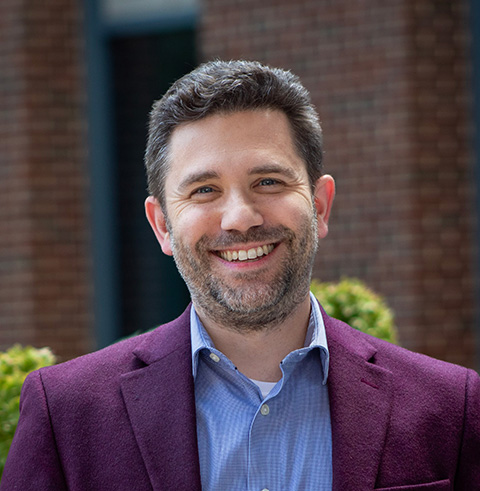
Cotruvo, a professor of chemistry at Pennsylvania State University, was recognized for his innovative protein engineering to selectively recover rare-earth elements, which are often found in smartphones, electric vehicles and wind turbines. His lab studies how bacteria utilize a family of lanthanide-binding proteins, which they use to develop biotechnologies that detect, extract and recycle rare-earth metals from technological waste.
Cotruvo recently won the 2026 American Society for Biochemistry and Molecular Biology Mildred Cohn Young Investigator Award. In 2025, Cotruvo received the Faculty Scholar Medal in Life and Health Sciences from Penn State and the Society of Biological Inorganic Chemistry Early Career Award. In addition, he was previously honored with the Eli Lilly Award in Biological Chemistry in 2024 for his work on rare-earth element coordination chemistry. Cotruvo has also won other early-career awards, including the 2022 Edward I. Stiefel Young Investigator Award, the 2020 Department of Energy Early Career Research Program Award and the Charles E. Kaufman Foundation New Investigator Award.
“Being named a finalist for the Blavatnik (National) Awards for a second year in a row is an incredible accomplishment,” Kenneth L. Knappenberger Jr., professor and head of chemistry at Penn State, said in the Penn State press release. “It’s a testament to Joey’s creativity as a scientist and the important and impactful nature of his research.”
Enjoy reading ASBMB Today?
Become a member to receive the print edition four times a year and the digital edition monthly.
Learn moreGet the latest from ASBMB Today
Enter your email address, and we’ll send you a weekly email with recent articles, interviews and more.
Latest in People
People highlights or most popular articles
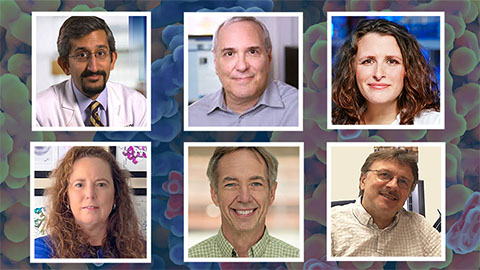
ASBMB members receive ASPET awards
The American Society for Pharmacology and Experimental Therapeutics awards Simone Brixius–Anderko, Paul Insel, Sudarshan Rajagopal, Emily Scott, Alan Smrcka and Jürgen Wess for their excellent research and mentoring work in pharmacology.
Kozul honored by Washington University
She received the 2025 Elliot L. Elson Education and Training Award.
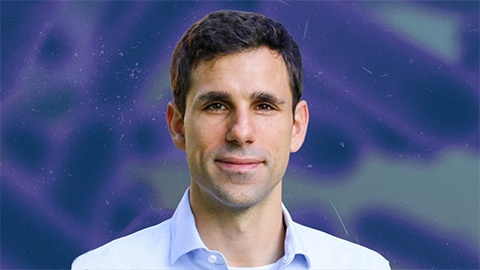
de la Fuente honored for AI research
The award will support the development of an AI system called ApexMol, a 3D structure–informed, agentic large language model designed to create new biomolecules.
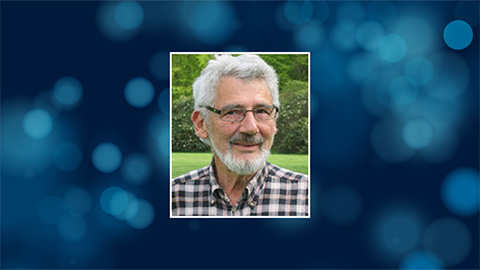
In memoriam: Peter Roepstorff
He was a leading researcher in biological mass spectrometry, mapped protein function in living organisms and was an ASBMB member for 19 years.
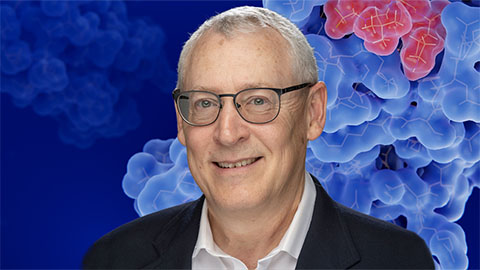
Flipping lipids and slime molds
A dull first job nearly pushed JBC associate editor Todd Graham out of science. Then a slime mold project changed his path. Now, he studies membrane biology and reflects on discovery, persistence and mentoring through uncertainty.
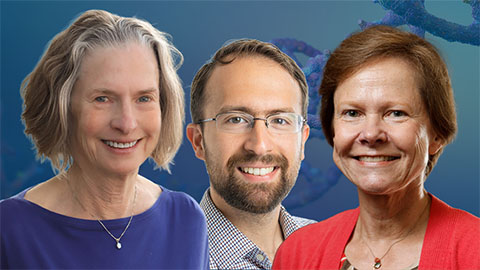
ASBMB members receive RNA Society awards
The RNA Society awards Brenda Bass, Can Cenik and Karin Musier–Forsyth for their achievements in RNA research and innovation. Winners will be recognized at the closing awards ceremony of the RNA 2026 annual meeting.