
In memoriam: Karl A. Schellenberg
Karl A. Schellenberg, a professor and the founding chair of biochemistry at Eastern Virginia Medical School, died April 10 at home in Virginia Beach. He was 92 and had been a member of the American Society for Biochemistry and Molecular Biology for 56 years.
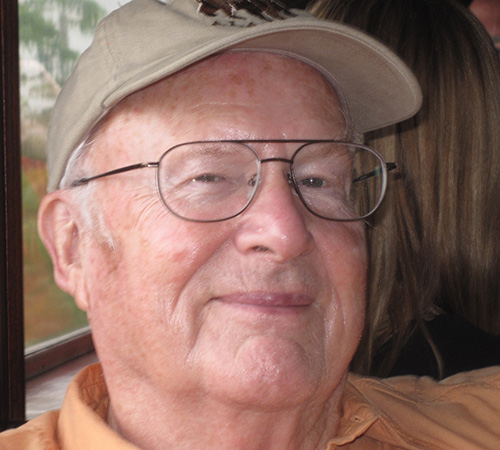
Born in Hillsboro, Kansas, on July 13, 1931, the son of Alma and T.R. Schellenberg, he grew up in Arlington, Virginia, and received his B.S. degree from the College of William & Mary in 1953. He went on to earn an M.D. from Johns Hopkins University in 1957 and a Ph.D. in biochemistry from Harvard University in 1963. After 10 years as an associate professor of chemistry at Johns Hopkins, he was recruited to the biochemistry department at the newly formed Eastern Virginia Medical School in Norfolk, and he served as the department’s chair from then until he retired in 1997.
Schellenberg’s research focused on a variety of biochemical reactions, including radiation damage to DNA molecules and tryptophan’s role in yeast metabolism. Over the course of his career, he received six patents for inventions that included medications, solid chromatography, and a soda-bottle cap liner. He was inducted into the Phi Beta Kappa society in 1953 and Alpha Omega Alpha in 1993.
In retirement, Schellenberg remained active in his community of Norfolk. After Elizabeth B. Schellenberg, his wife of 57 years, died, he joined the Virginia Beach Widowed Persons Service Group to help others process their own grief. He visited the Virginia Beach Recreational Center daily, remaining both physically and socially active, until his death.
Schellenberg is survived by his four children, Robert, Betty, Richard, and Margi; his eight grandchildren and seven great-grandchildren; and his grade-school sweetheart, Virginia Conger, with whom he reconnected later in life.
Enjoy reading ASBMB Today?
Become a member to receive the print edition four times a year and the digital edition monthly.
Learn moreGet the latest from ASBMB Today
Enter your email address, and we’ll send you a weekly email with recent articles, interviews and more.
Latest in People
People highlights or most popular articles
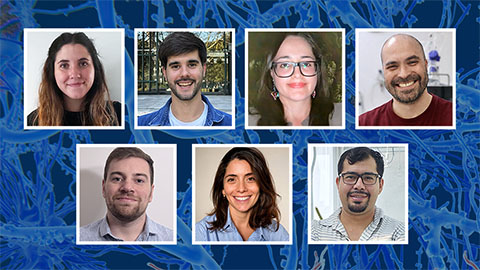
2026 PROLAB awardees announced
Each of the seven awardees will work in labs across Canada and the United States and will receive $7,000 to fund travel and living expenses.
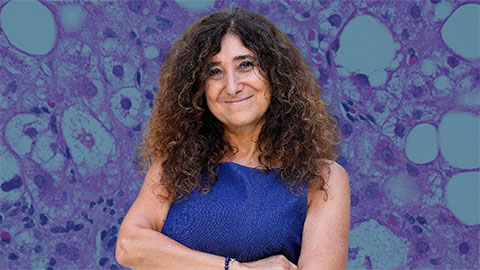
Uncovering the molecular roots of fatty liver disease
Physician–scientist Silvia Sookoian discusses her path from hepatitis C care to MASLD research, her use of multi-omics to study steatotic liver disease, and how lipid metabolism and genetics are reshaping understanding of MASH and liver health.
Kimble honored for lifetime achievement in genetics
She received the 2026 Thomas Hunt Morgan Medal and will be honored with a dedicated online profile and seminar.
Janetka named distinguished professor
Washington University awarded him the inaugural Carl Frieden Distinguished Professorship.
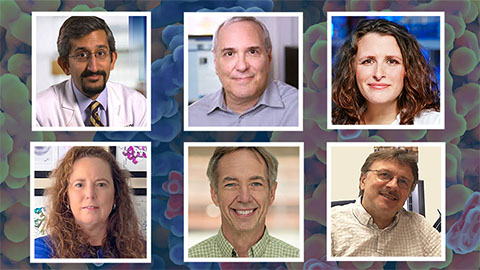
ASBMB members receive ASPET awards
The American Society for Pharmacology and Experimental Therapeutics awards Simone Brixius–Anderko, Paul Insel, Sudarshan Rajagopal, Emily Scott, Alan Smrcka and Jürgen Wess for their excellent research and mentoring work in pharmacology.
Kozul honored by Washington University
She received the 2025 Elliot L. Elson Education and Training Award.