
Summer internships in an unpredictable funding environment
In February 2025, the National Institutes of Health cancelled their summer internship programs. Funding upheavals forced many other institutions, such as the University of North Carolina, University of Connecticut, Vanderbilt University, University of Pennsylvania and others, to cancel various NIH- and National Science Foundation, or NSF, –funded summer research programs. These changes follow an announcement from the NIH proposing to lower the funding cap on indirect research costs, such as research facilities and administration, as well as changes to NSF funding.

If your program is still on: Seize the opportunity. But, have a contingency plan.
If you are unsure of the status: Some programs have not fully cancelled but are still trying to navigate an unpredictable environment. Reach out to the program director about your application. You may want to examine alternative options as well.
If your program has been cancelled or you haven’t found one yet: Check out the options below.
Use your career or internship office
Most schools have career offices and/or an internship office. They connect students with internship databases, employer partnerships and alumni networks, helping students discover opportunities tailored to their interests. Some institutions may be able to provide funding resources for external unpaid internships or offer credit-bearing internship programs.
Look for other internships
Many summer internship application deadlines have not yet passed. However, April might be your last chance to apply. There are many opportunities for interns posted on the ASBMB Career Center.
In addition, check out Indeed, LinkedIn and ASBMB Today’s upcoming opportunities, updated weekly.
Ask around your home institution
Ask around to see if professors at your institution are accepting summer research students. If funding is an issue, consider volunteering part-time while working a local job to offset living costs.
Take a class instead
You can still get the most out of your summer by taking a course at your home institution or nearby community college. Online courses, such as those on artificial intelligence or computational biology, could give you a skills boost. Sites like Coursera offer some some free online courses.
ASBMB also offers regular webinars on scientific and professional development topics. You can even dive into the on-demand events in case you missed the live offering.
Enjoy reading ASBMB Today?
Become a member to receive the print edition four times a year and the digital edition monthly.
Learn moreFeatured jobs
from the ASBMB career center
Get the latest from ASBMB Today
Enter your email address, and we’ll send you a weekly email with recent articles, interviews and more.
Latest in Careers
Careers highlights or most popular articles
Upcoming opportunities
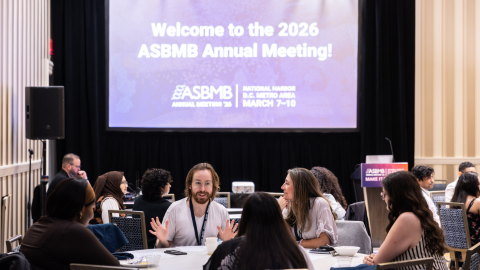
🗨️ Shape the conversation at ASBMB 2027 in Boston! ASBMB is seeking proposals for sessions and events that will foster collaboration, highlight exciting science and support career development across the molecular life sciences.
Upcoming opportunities
Registration is now open for this summer's Art of Science Communication course! Build your science communication skills in this 8-week online program. ➡️ Registration deadline: May 6.

Upcoming opportunities
The American Society for Biochemistry and Molecular Biology is accepting applications for the Marion B. Sewer Distinguished Scholarship for Undergraduates. Apply by April 30, 2026.
Designing scientific careers, not just experiments
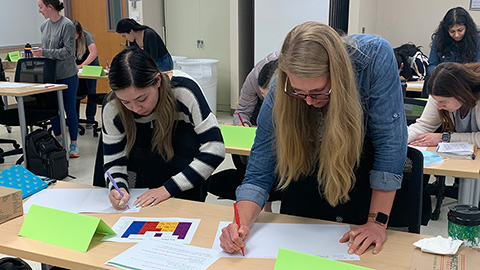
Universities are rethinking how they prepare scientists for careers beyond the bench. From myIDP to Vanderbilt’s Career Architect, programs help trainees clarify values, explore options and build intentional paths forward.
Upcoming opportunities
Dive into the world of lipids! Join the ASBMB Lipid Research Division Seminar Series on April 9, 12–1 p.m. ET to hear early-career researchers explore lipid metabolism and mitochondrial biology.
Upcoming opportunities
For the summer 2026 ASBMB Today essay series, we invite scientists working in industry to share first-person reflections on their work. Submit your essay or pitch by April 15, 2026.